
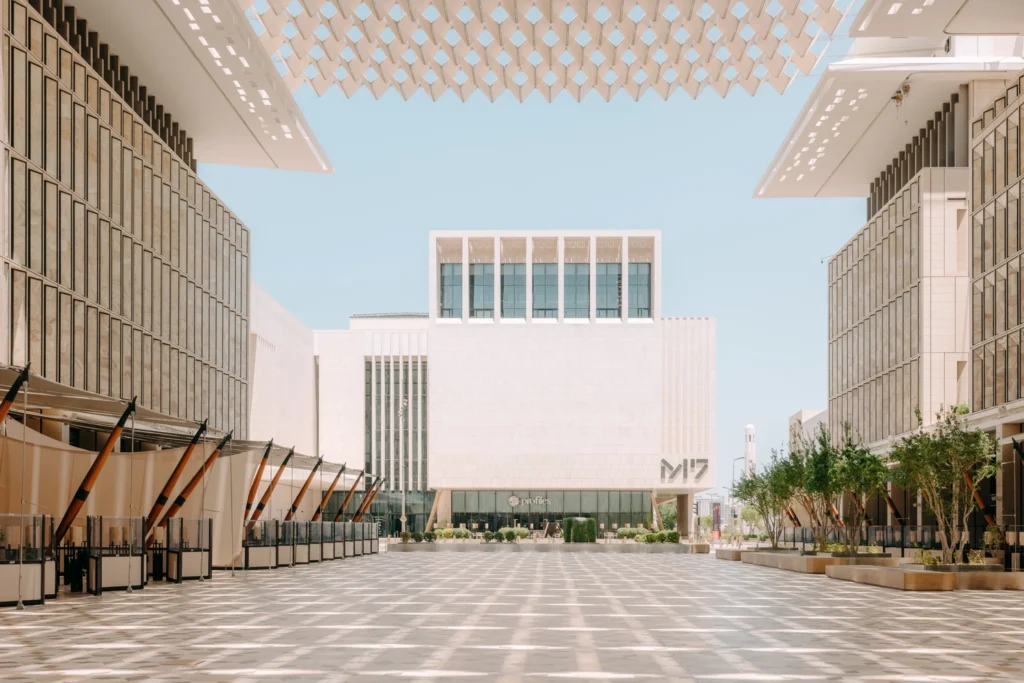
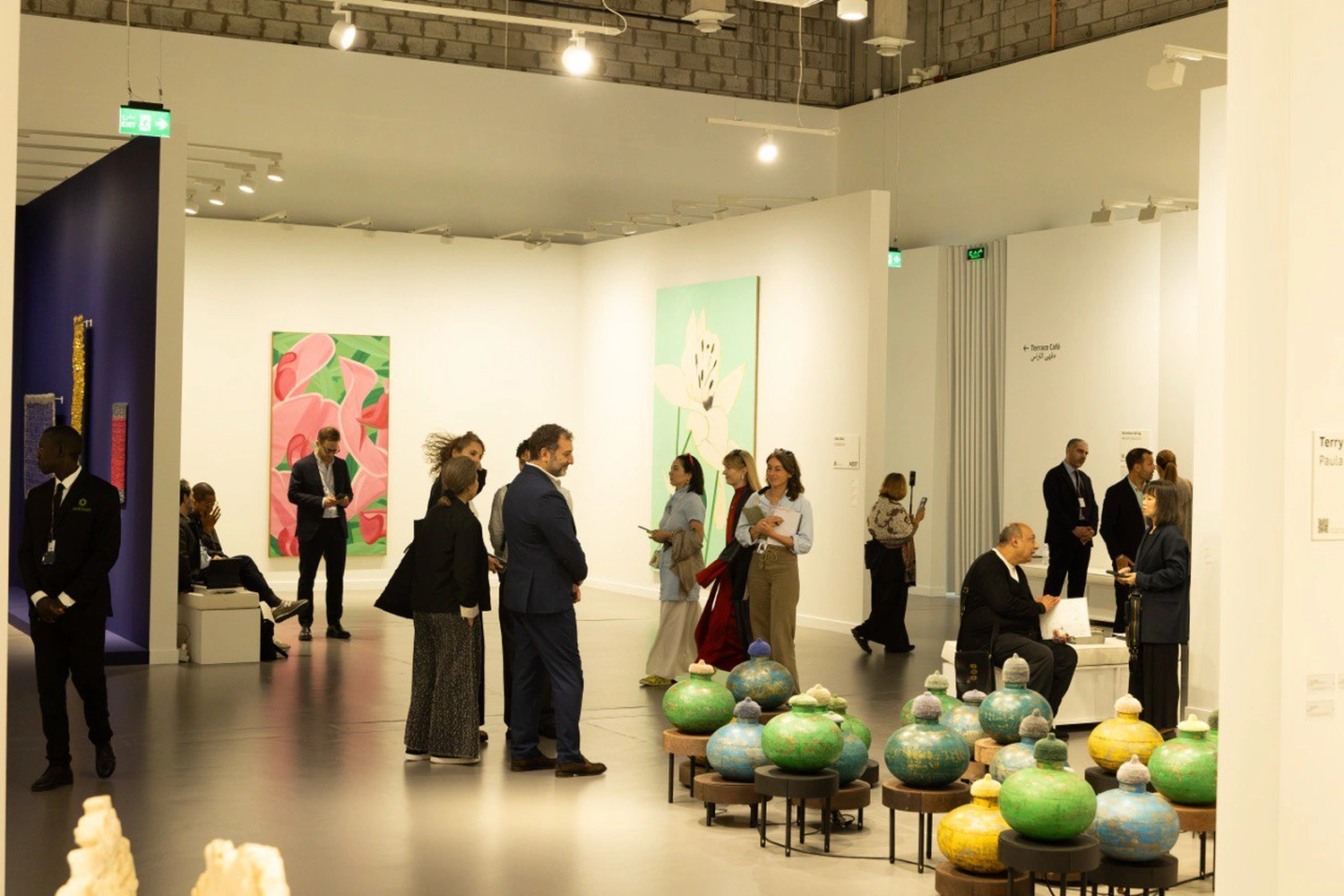
With a fresh format, city-centered locations, and a focus on artists’ personal visions, the event set a distinct rhythm, bringing together leading galleries, museum professionals, and collectors from across the globe.
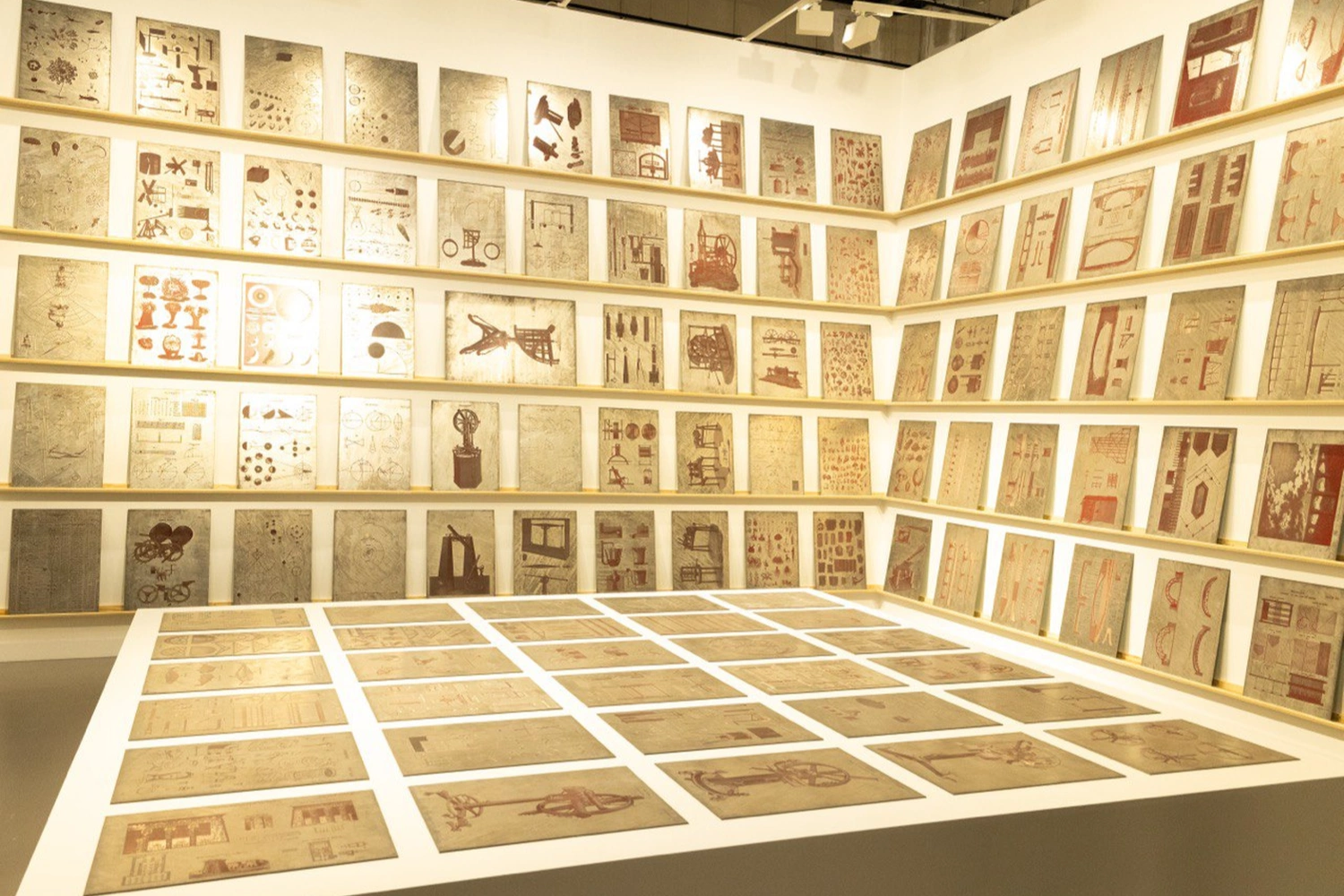
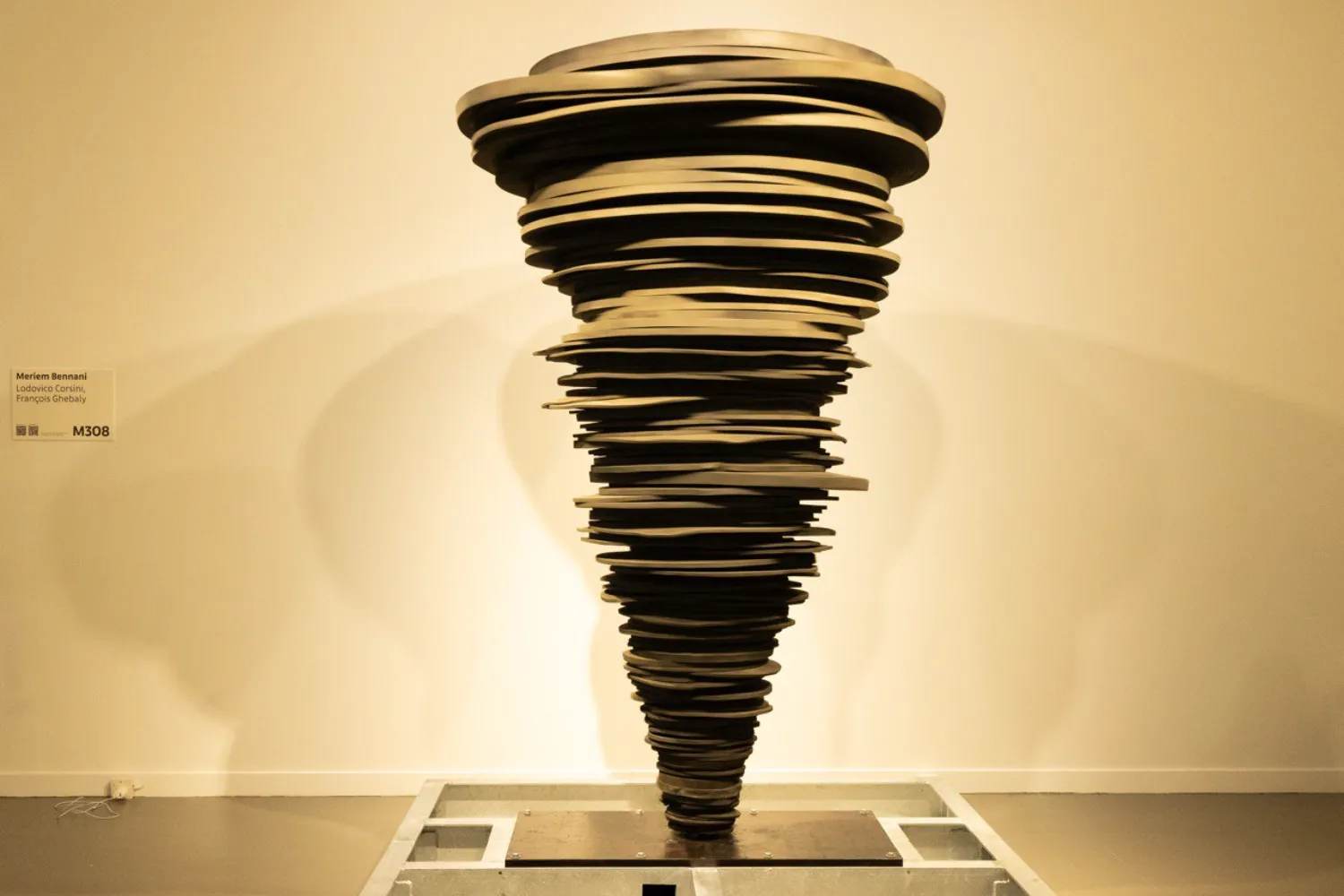
A total of 87 galleries participated, including heavyweights like Gagosian, David Zwirner, Hauser & Wirth, Pace, Perrotin, and White Cube. The exhibitions featured works by Pablo Picasso, Jean-Michel Basquiat, Bruce Nauman, Marlene Dumas, and Georg Baselitz.
The fair unfolded across multiple city venues, with the main exhibitions hosted at M7 Design Center and the Doha Design District.
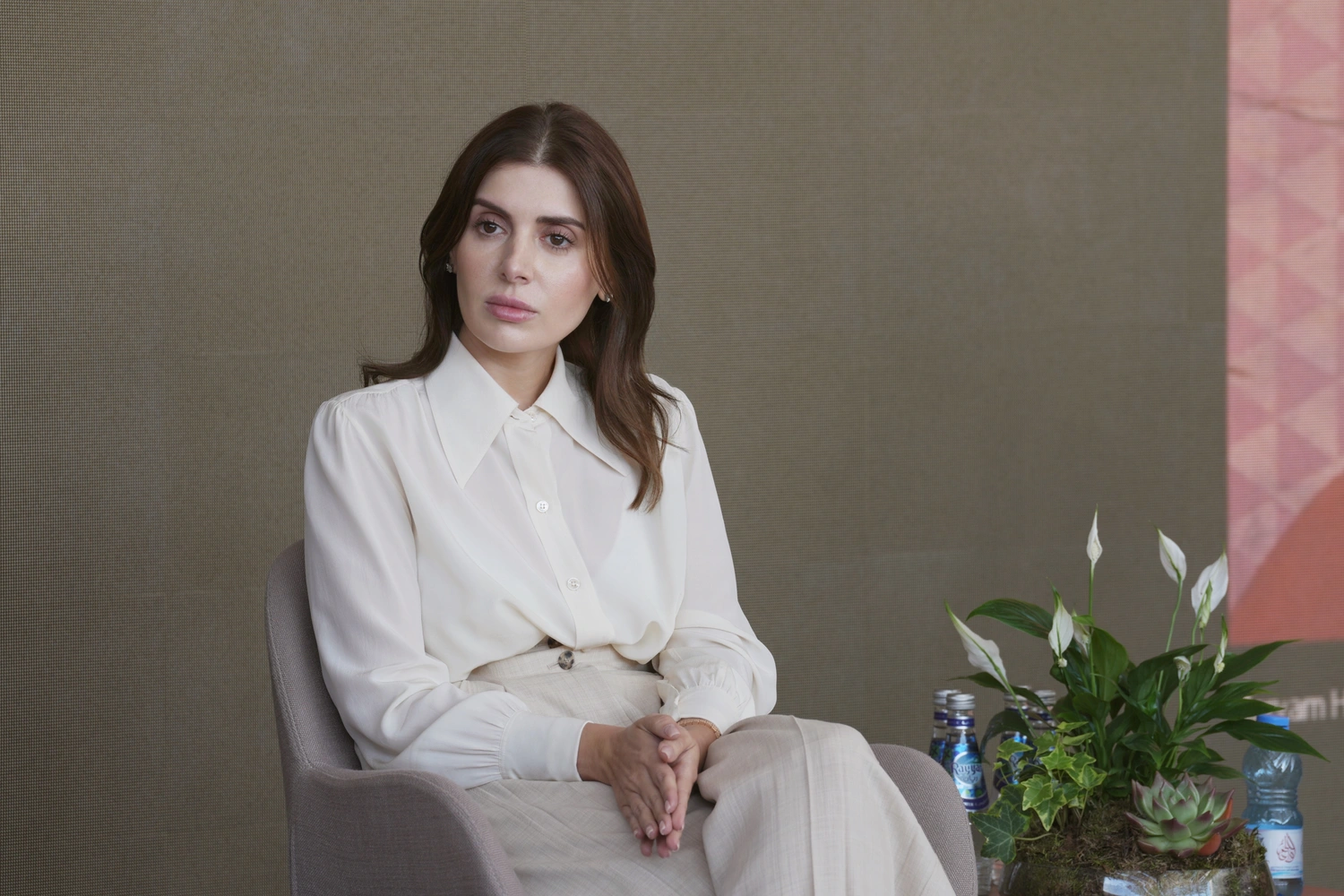
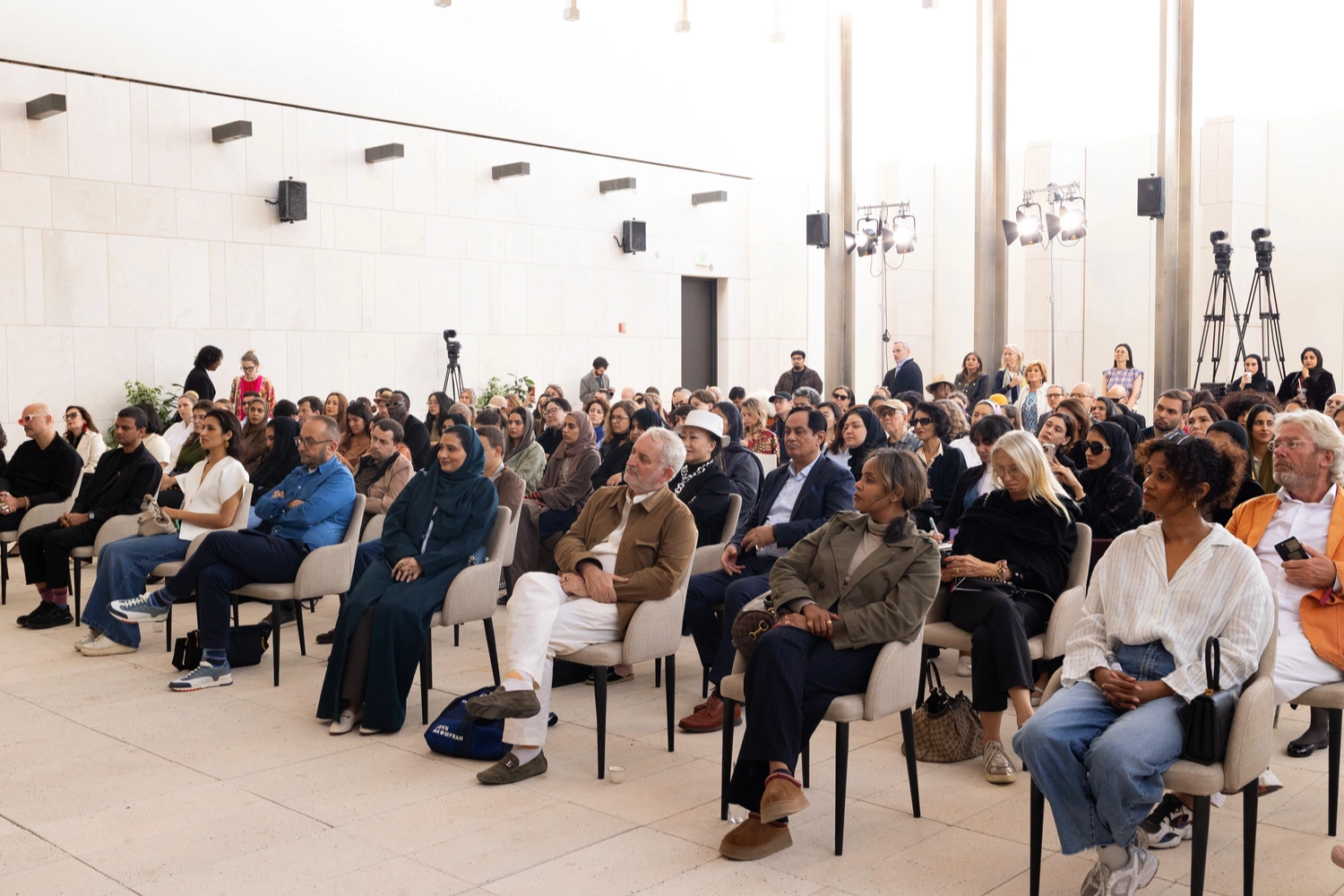
As part of the public program Art Basel Conversations, a panel discussion titled “Rubaiya, Bukhara, and Jaou: New Platforms, New Opportunities” took place. The discussion was participated in by Gayane Umerova, Chairperson of the Uzbekistan Art and Culture Development Foundation, Head of the Department of Creative Economy and Tourism of the Administration of the President of the Republic of Uzbekistan. The session took place at M7-Msheireb.
The conversation represented the Bukhara Biennale as a model for a new kind of cultural institution, based on long-term development, engagement with the local context, and sustainable integration into urban space.
It was highlighted that the biennale operates on a fully commissioned model: all artworks are created specifically for the project and produced in Uzbekistan, drawing on Bukhara’s architectural heritage, craft traditions, and contemporary social processes.
The first Bukhara Biennale took place in autumn 2025, attracting over 1.8 million visitors. Exhibitions were staged across various urban sites in Bukhara, including historic buildings.
The debut of Art Basel Qatar signaled the emergence of a cultural ecosystem where contemporary art interacts with the city and its architecture. Doha showcased its potential as a hub for large-scale, forward-looking international dialogues.
References to the Bukhara Biennale within the program underscored this trajectory: today, projects developed in close dialogue with the city and its history are shaping new points of growth on the global art map.