
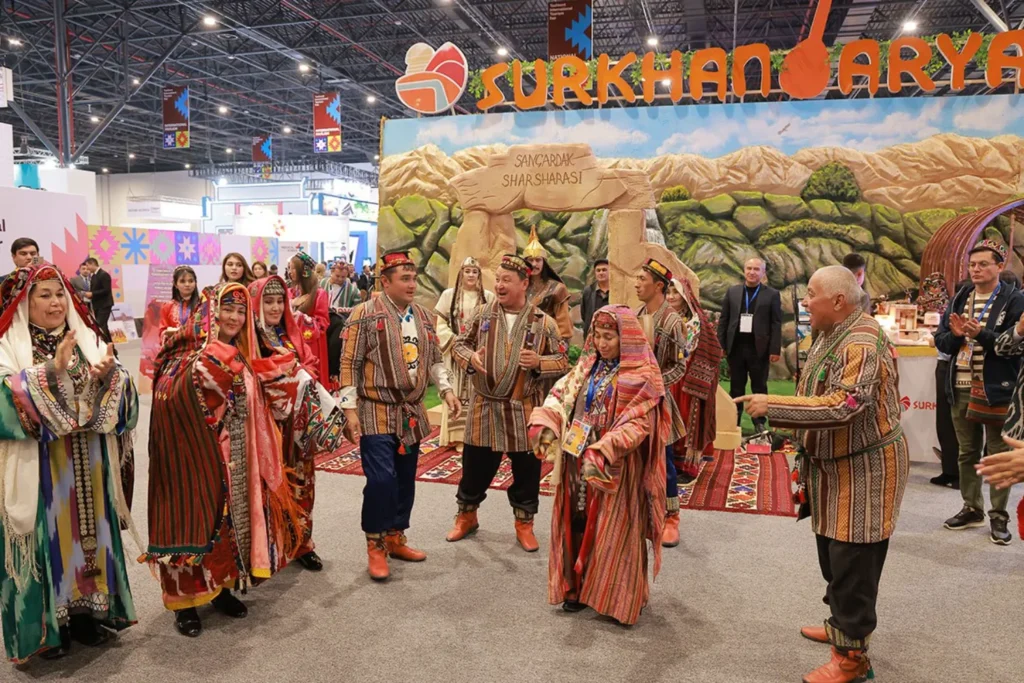
Sessions were held simultaneously in the conference hall and on the main stage, each highlighting different dimensions of today’s tourism ecosystem.
One of the key topics was sustainable development. During the session “Tourism Forum of Central Asia and the European Union,” Miguel Senra Ermana, Culture and Civic Engagement Manager and representative of the European Heritage Label (EHL), emphasized: “Our goal is not just to attract tourists, but to distribute flows correctly so that some places are not overloaded while others remain overlooked.”
The session “Geography of Cooperation: Opportunities for Interregional Tourism” offered vivid real-life examples. Ulan Dubanaev, Deputy Director of the Autonomous Non-profit Organization “International Center for Regional Integration,” spoke about a 52-day route through five countries of Central Asia, demonstrating how joint itineraries can promote regional tourism.
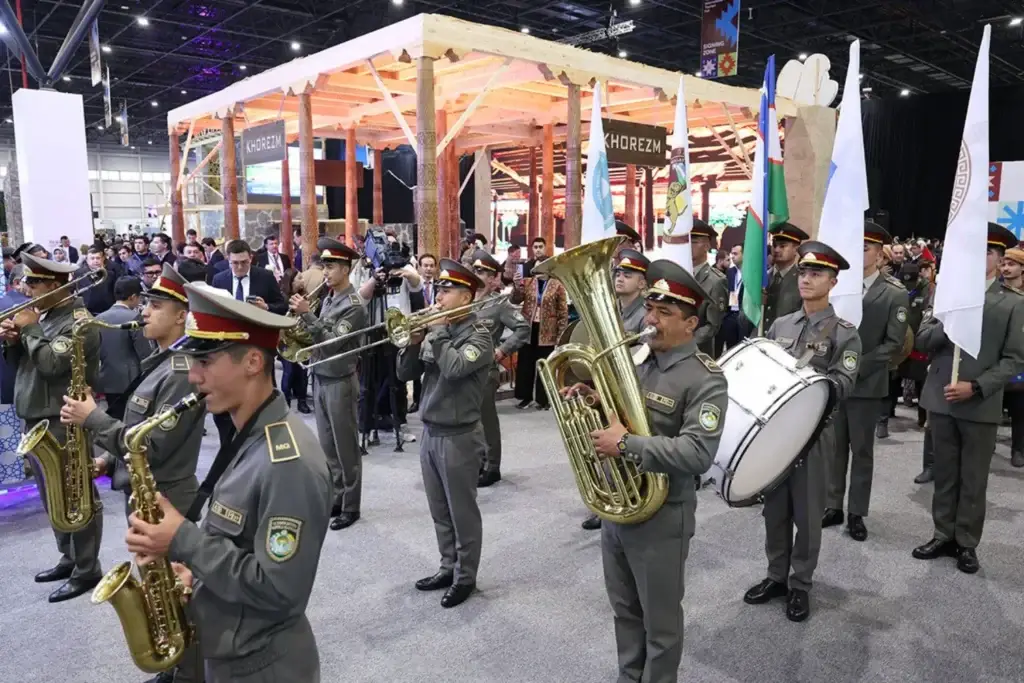
Photo: Uzbektourism
Nargiza Vakhidova, CEO of Ayvan International Travel, shared insights on domestic tourism in Uzbekistan — including medical and educational travel — noting how direct contact with history makes the country ideal for educational tourism.
“When you walk through ancient fortresses, touch the walls, and feel the history, you realize: Uzbekistan is a perfect country for educational tourism. Here, students from all over the world can learn not only from books, but through real experience,” she said.
At the session “Ecotourism and Strategies for Sustainable Development,” Mikhail Shamshidov, an expert in sustainable tourism, observed that authentic ecotourism is impossible without understanding local nature and culture. He spoke about projects in Karakalpakstan and the Aral Sea region, where tourists participate in ecosystem restoration — including planting saxaul trees. The topic of dark tourism was also discussed — the fascination travelers have with places marked by historical tragedy, in this case, the legacy of the Aral Sea.
Photo: Uzbektourism
Beate Shoreit, Manager of Sustainable Economic Development Programs, highlighted the importance of local communities: “If local people are not involved, tourism will not be sustainable. They are the ones who preserve nature and culture.”
Special attention was given to the technologies of the future. At the educational forum, Dr. Eran Ketter noted that artificial intelligence can create detailed and personalized itineraries within hours — work that previously took weeks.
“Technology is changing, but travelers themselves are changing too: they no longer just seek destinations, but genuine experiences.”
Dr. Lina Zhong spoke about the digital transformation of the tourism industry and how the use of big data and AI-based tools can shape personalized services for travelers.
The final session of the day focused on handicrafts and the importance of preserving cultural heritage. Participants discussed support for artisans, national certifications, systems of recognition for authentic works, and the importance of distinguishing handmade craft from replicas.
The atmosphere of the fair was warm and lively: many questions from the audience, active discussions, speakers engaging in conversations afterward, coffee chats in the hallways, laughter, exchange of contacts, and a tangible sense of shared purpose. Music, dance, and demonstrations of national traditions amplified the cultural spirit of the event.