
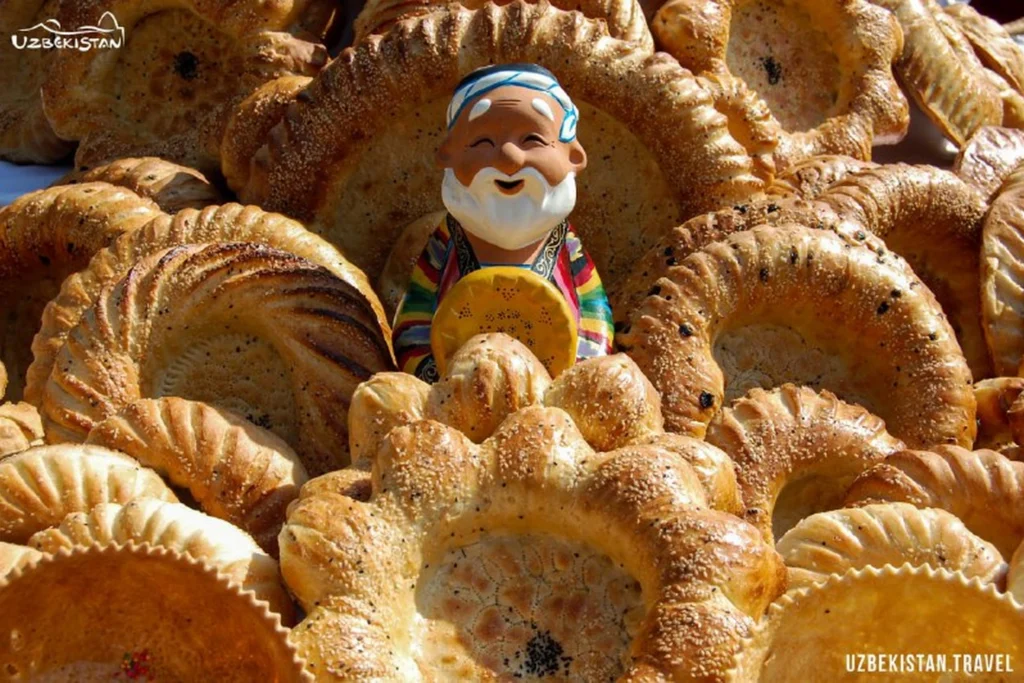
As guide and historian Nadira Shadieva notes, the Uzbek approach to bread has been shaped over centuries and remains a vital part of daily life, helping people feel a connection to home, family, and the land.
Bread in Uzbekistan is not treated as a mere staple. It is a symbol of home, prosperity, and respect. From childhood, a lepyoshka accompanies a person: its aroma fills the morning air in the yard, the market, or on the road. A table without it is hard to imagine.
It is said that the tandoor came before the house itself. People would first set up the oven and only then build the walls. There is both practical logic and symbolism in this: bread was the foundation of sustenance, and the tandoor became the heart of family life.
Tandoors are made from clay mixed with straw and water. The mixture is kneaded thoroughly, shaped by hand, dried, and fired. A well-made oven retains heat for a long time and can last for decades. In older mahallas (neighborhoods), tandoors are still used for generations.
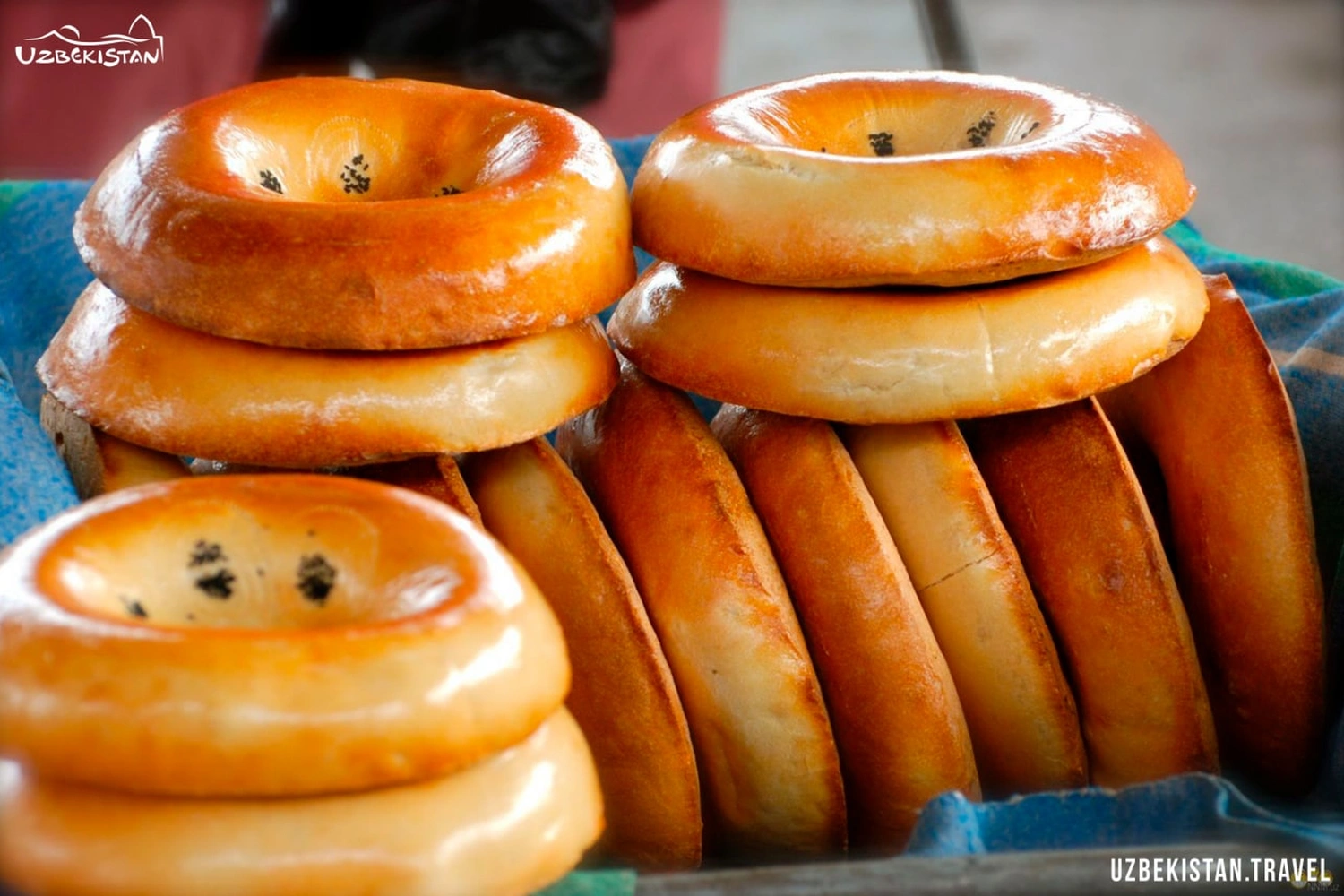
An old legend has survived to this day. During the era of the Great Silk Road, there lived a nonvoy (master baker) who baked bread so soft and fragrant that people traveled from far away to taste it. They said his bread carried the sun of the steppes and the warmth of the desert wind.
According to the story, one day a young ruler asked the baker to reveal his secret. Was it the flour? The special fire? The old man did not speak of recipes. He simply tapped the warm wall of the tandoor and said: “It all begins with respect.”
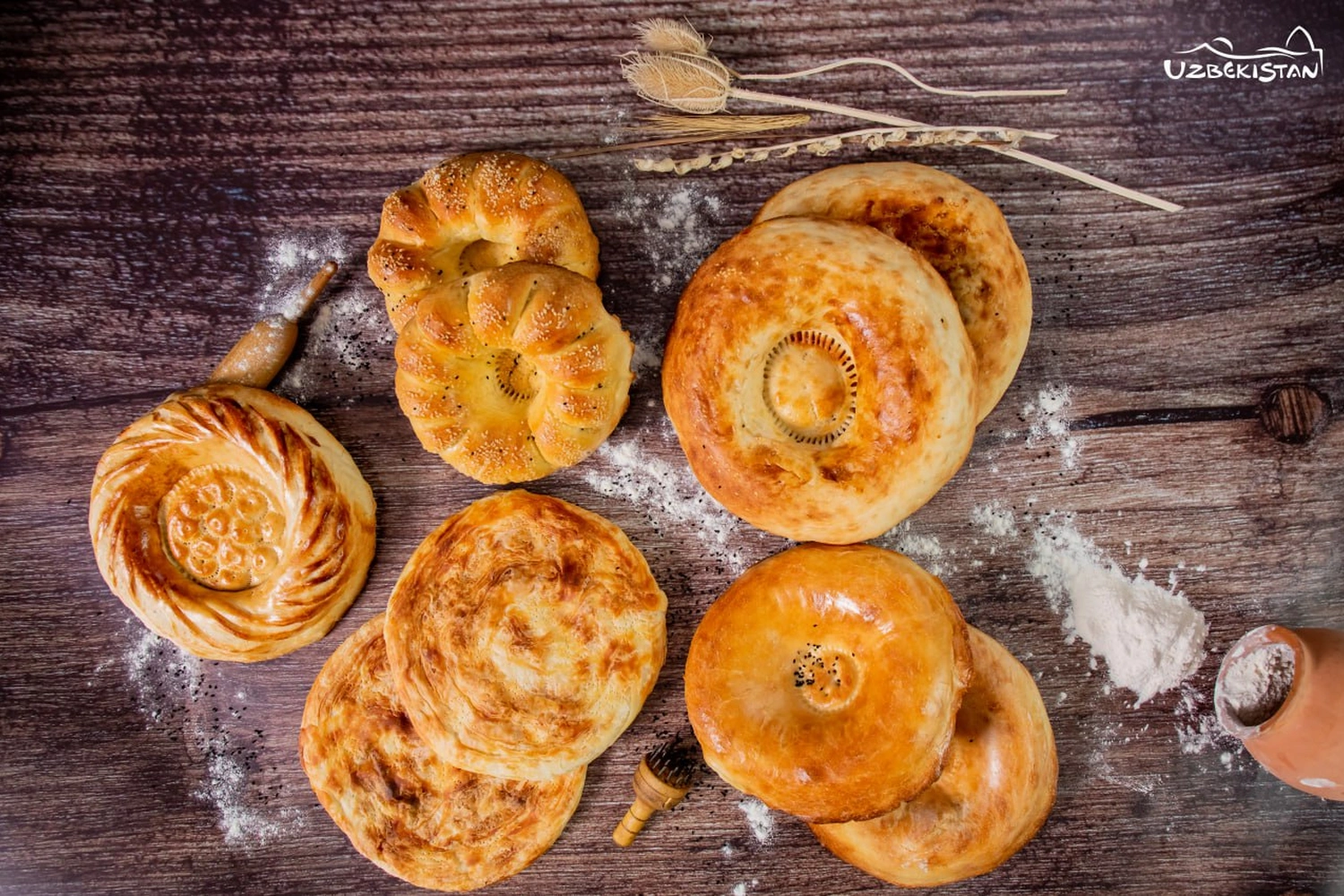
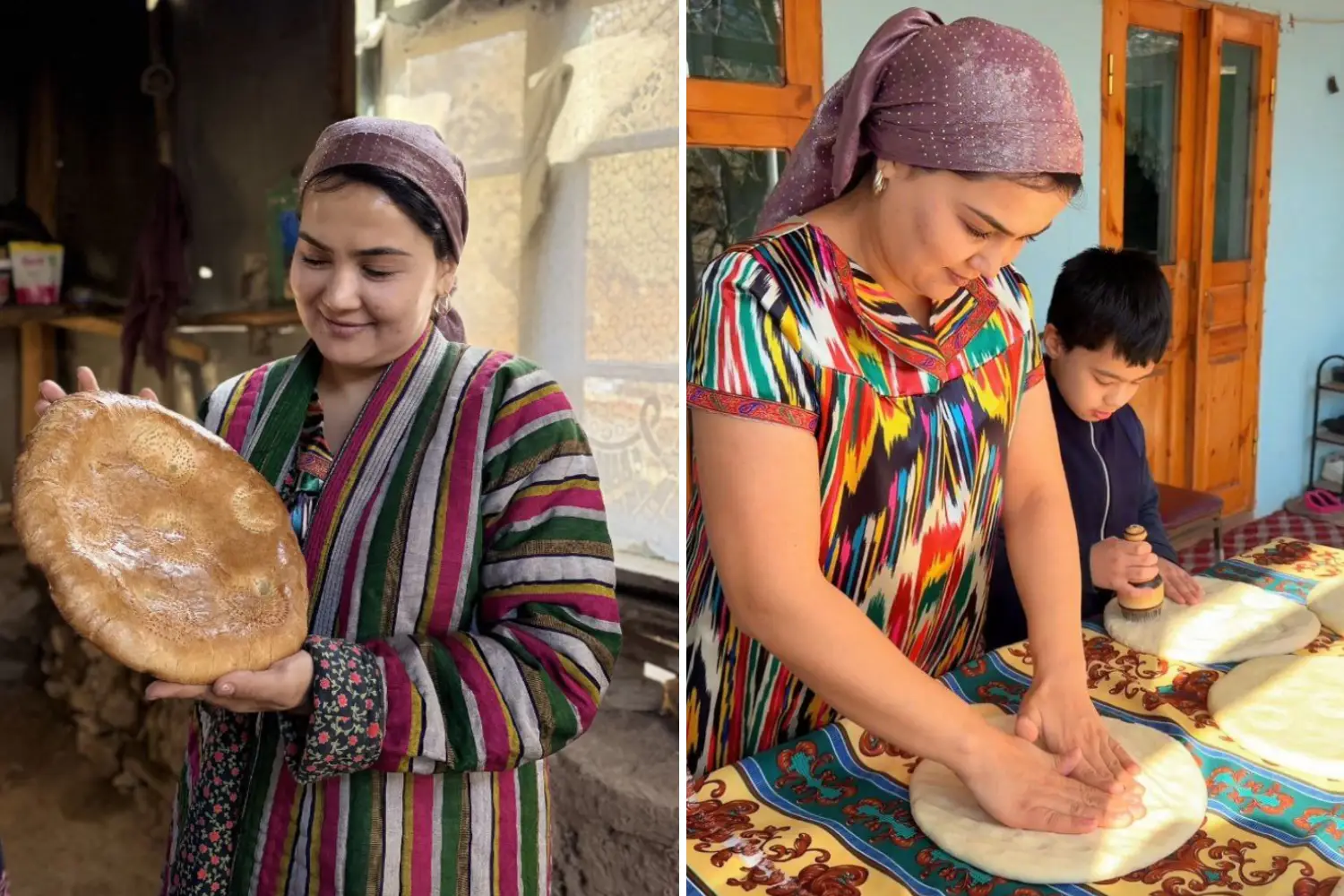
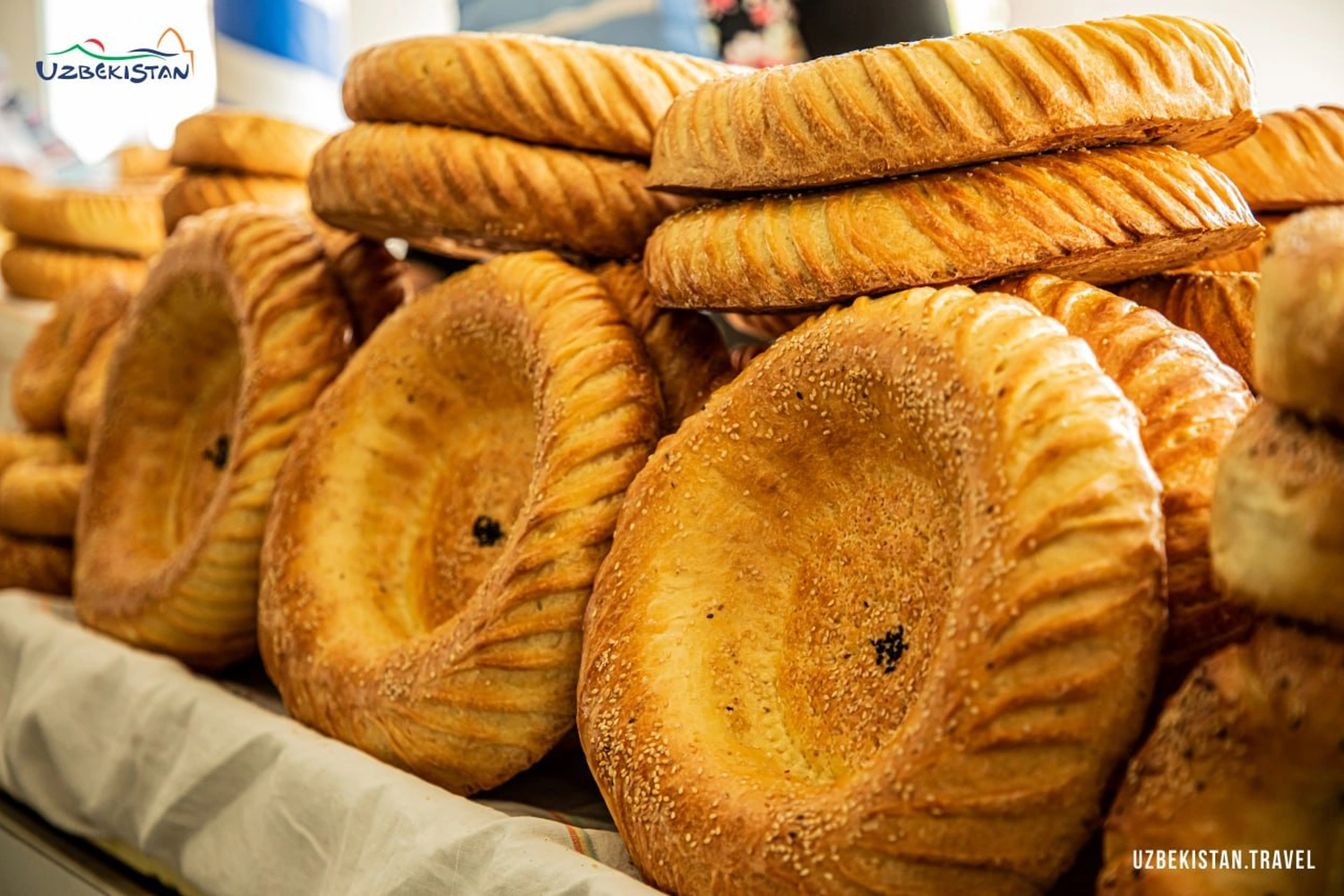
The tandoor is more than just an oven. It is shaped from clay, water, and straw, almost like a living being, made of earth and breath. It is handled with care, as if it were alive. When the lepyoshka is pressed onto the wall, it undergoes three trials: earth, fire, and patience. It is shaped round, like the sun, and the pattern stamped in the center marks home and prosperity.
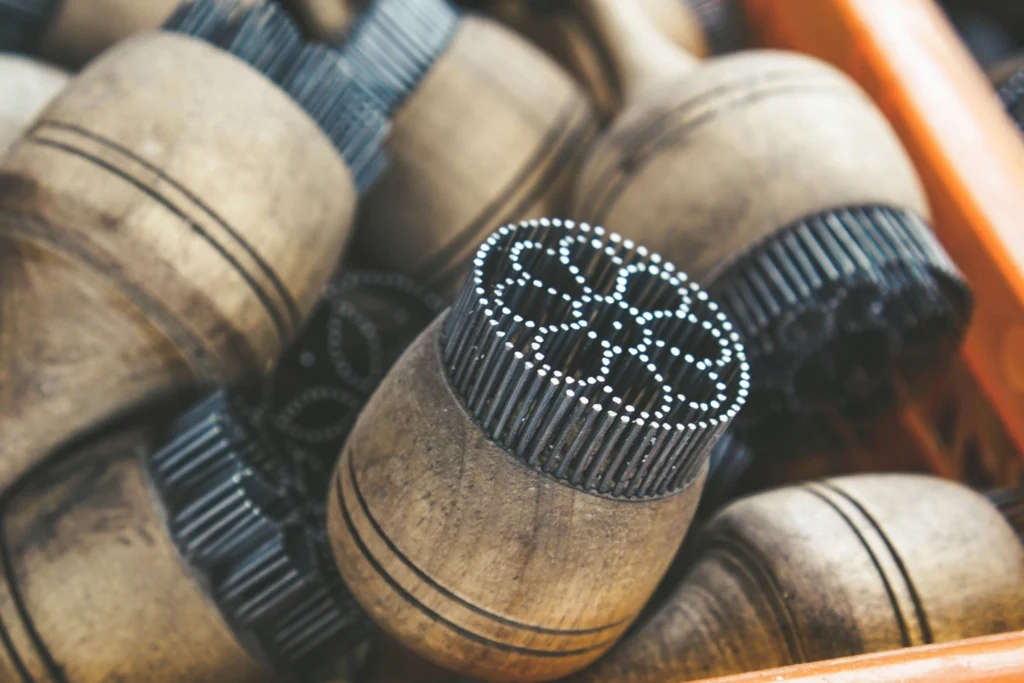
Photo: Artem Asset, Unsplash
The legend also carries rules that are still observed today. Lepeshka is never placed on the ground or flipped. It is broken by hand and shared at the table. This simple act preserves the concept of bread as a sacred gift, deserving respect.