
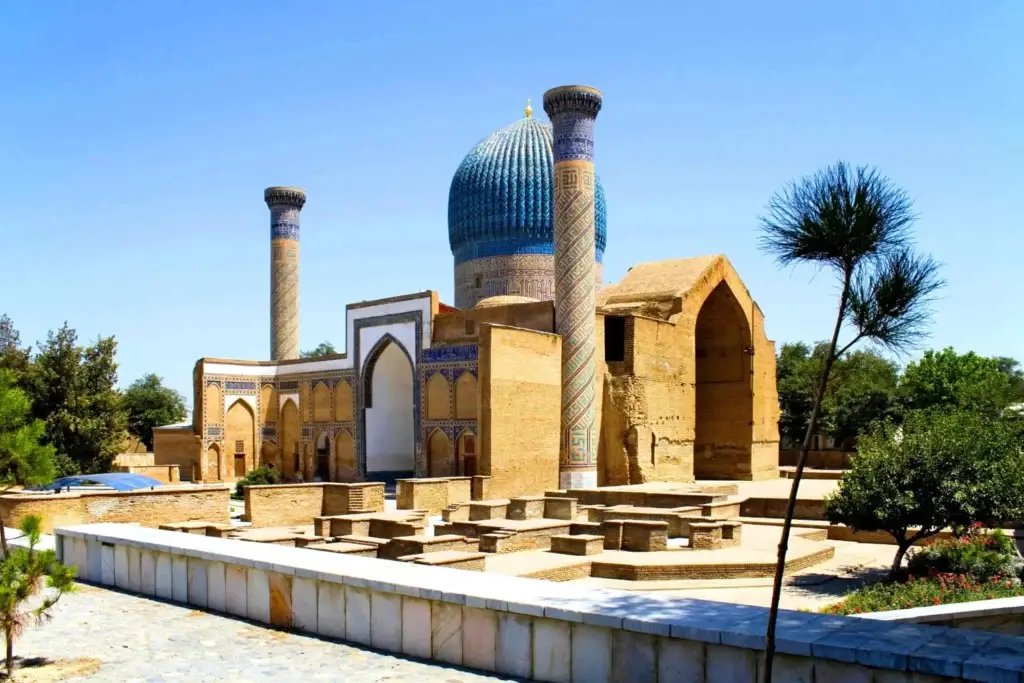
UNESCO adopted the decision to establish the new international date in November at its General Conference in Samarkand — a city that has long connected cultures and trade routes.
A Meaningful Date
UNESCO chose December 15 for a reason. On this day in 1983, Danish linguist Vilhelm Thomsen announced the decipherment of the Orkhon inscriptions, among the oldest written monuments of the Turkic world.
Ancient Turkic communities created these inscriptions in the 8th century in the Orkhon Valley, located in present-day Mongolia. The stone texts opened new insight into the early history and culture of Turkic peoples.
Languages That Connect Continents
Today, the Turkic language family spans a vast area from Eastern Europe to Central Asia and Siberia. According to UNESCO, it includes many living languages, including Azerbaijani, Kazakh, Kyrgyz, Turkish, Turkmen, and Uzbek.
More than 200 million people speak these languages. They cover a territory of approximately 12 million square kilometers.
Cultural Dialogue Through Language
The initiative to establish World Turkic Languages Day was put forward by Azerbaijan, Kazakhstan, Kyrgyzstan, Turkey, and Uzbekistan. It received the support of 21 countries.
By proclaiming December 15 a new international observance, UNESCO highlights the role of languages as a tool for cultural dialogue and mutual understanding between peoples and civilizations.