According to the Egyptian publication Ruz al-Yusuf, the country has extended its ski season to 120 days, prioritizing sustainability, comfort, and modern infrastructure.
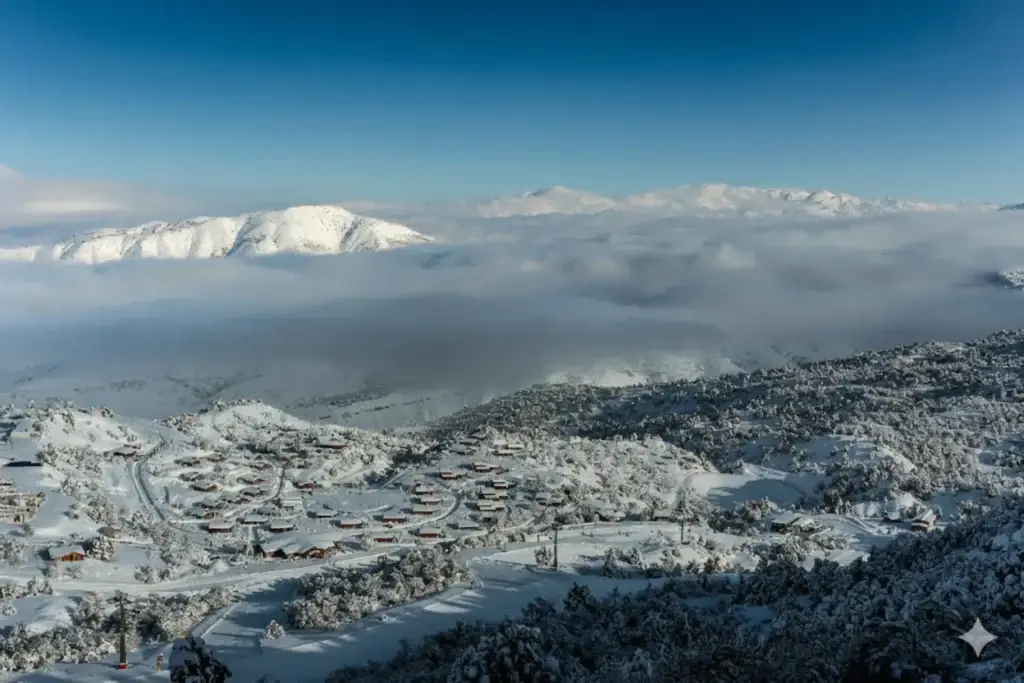
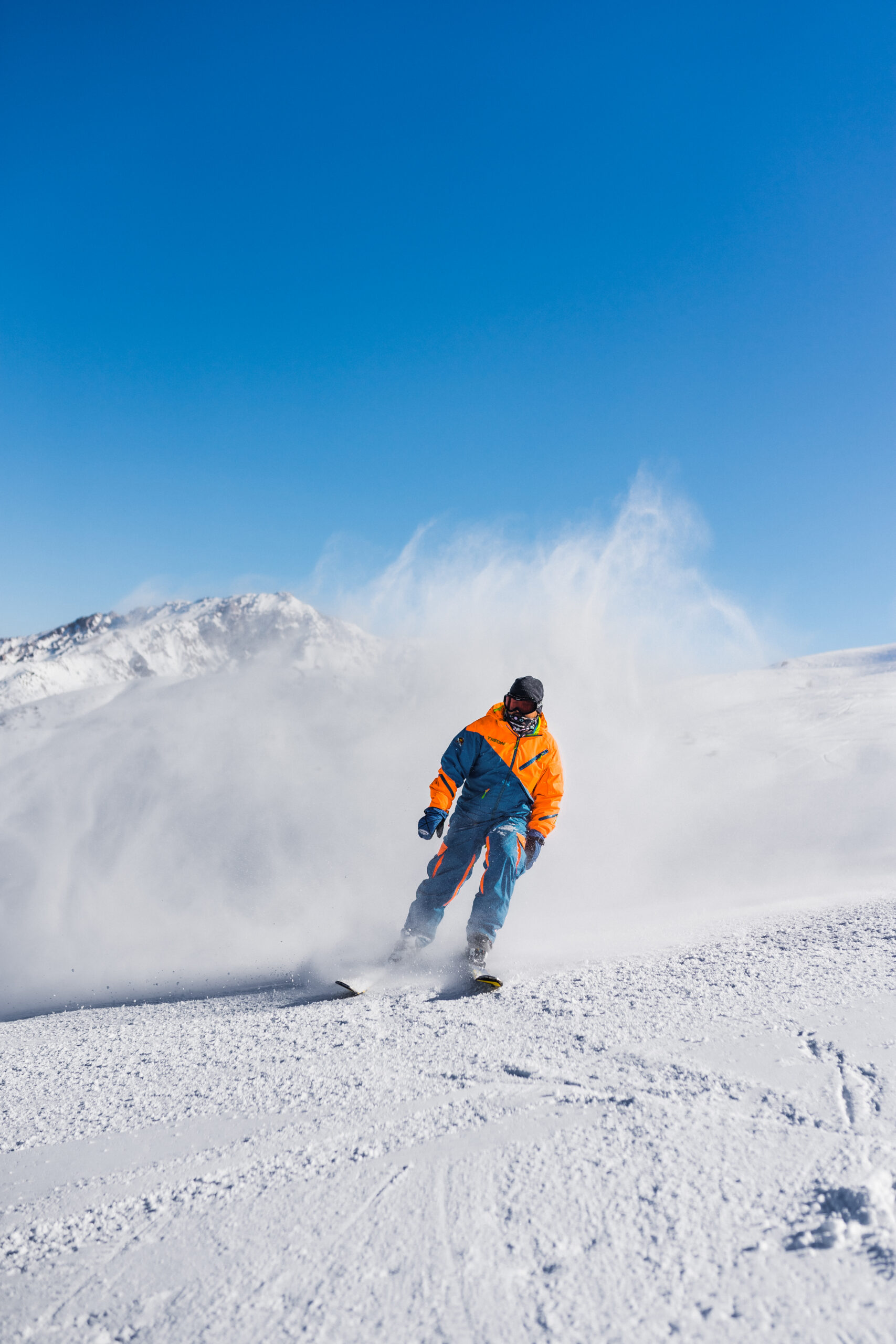
A key role in this shift has been played by artificial snowmaking systems. These technologies have reduced resorts’ dependence on weather conditions, ensuring more consistent skiing throughout the winter. The most visible changes have taken place at Amirsoy, which in recent years has become a symbol of the country’s evolving tourism policy.
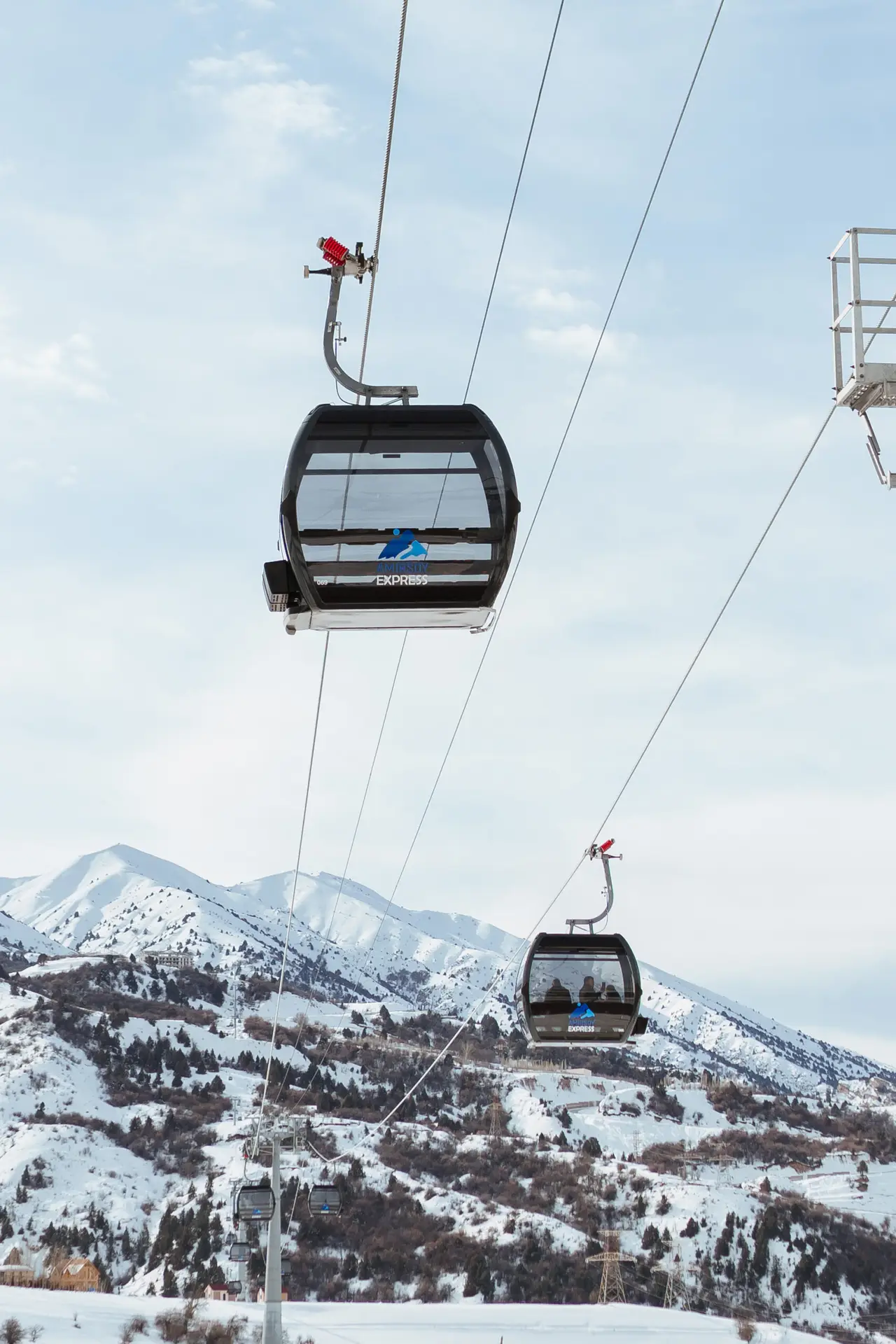
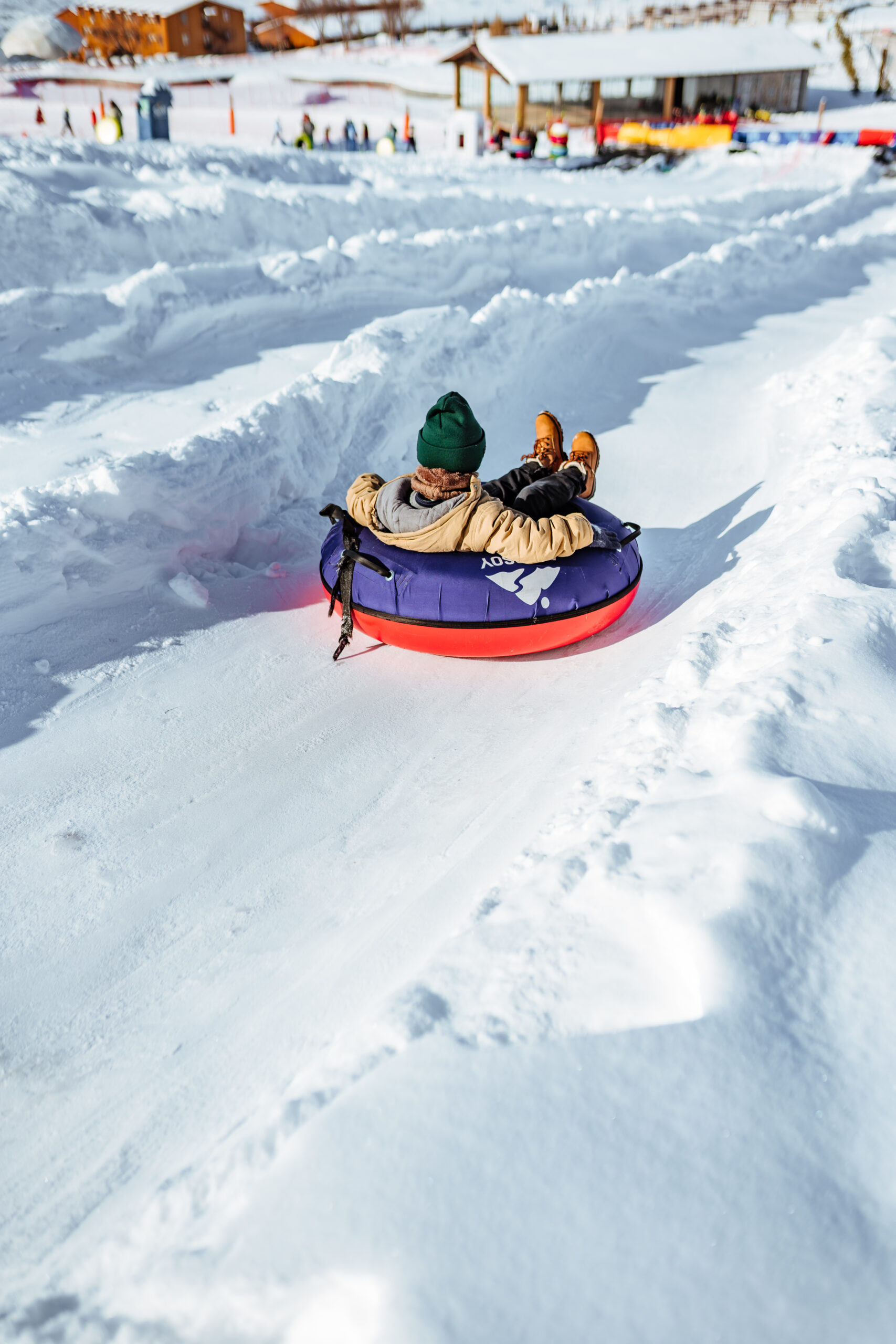
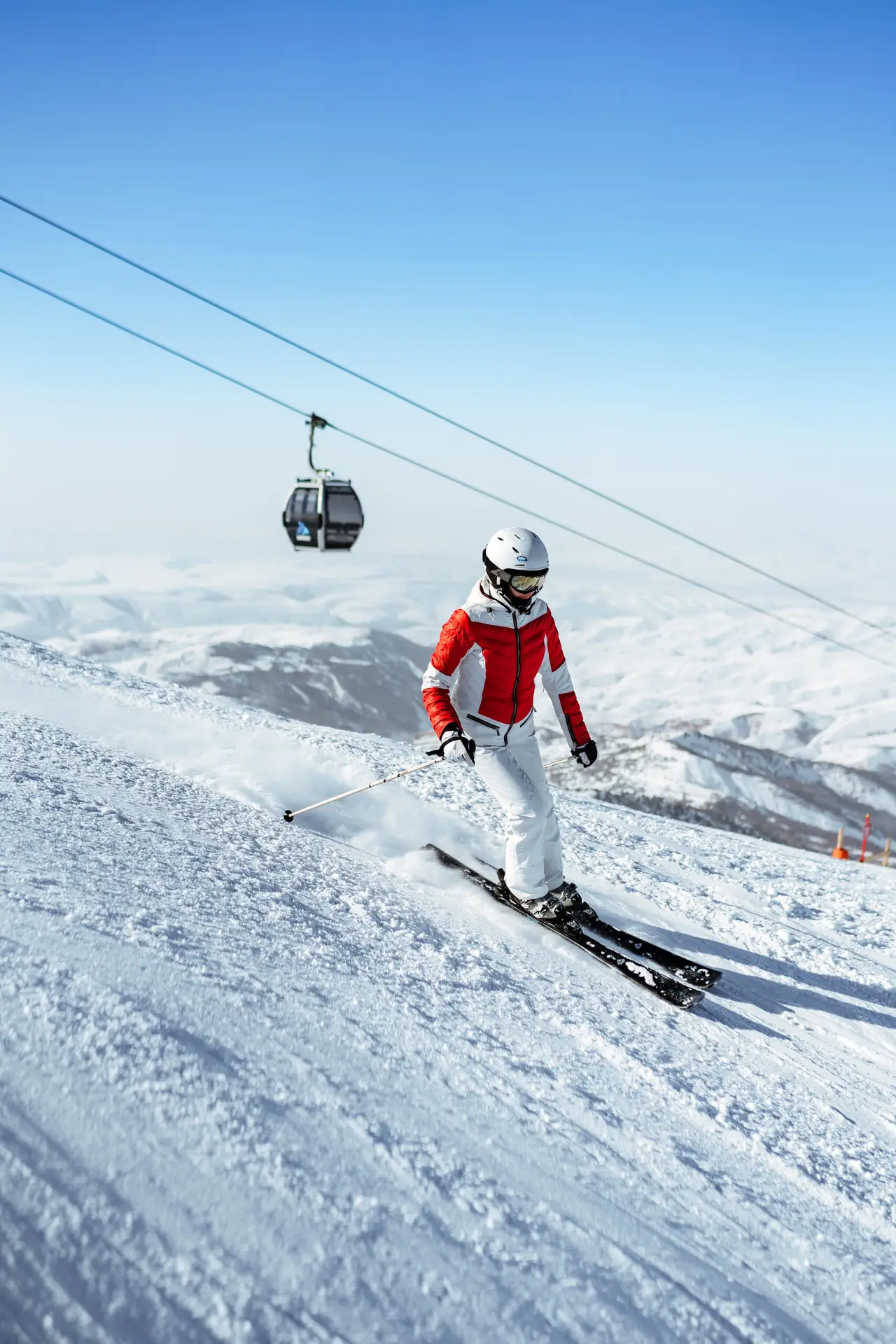
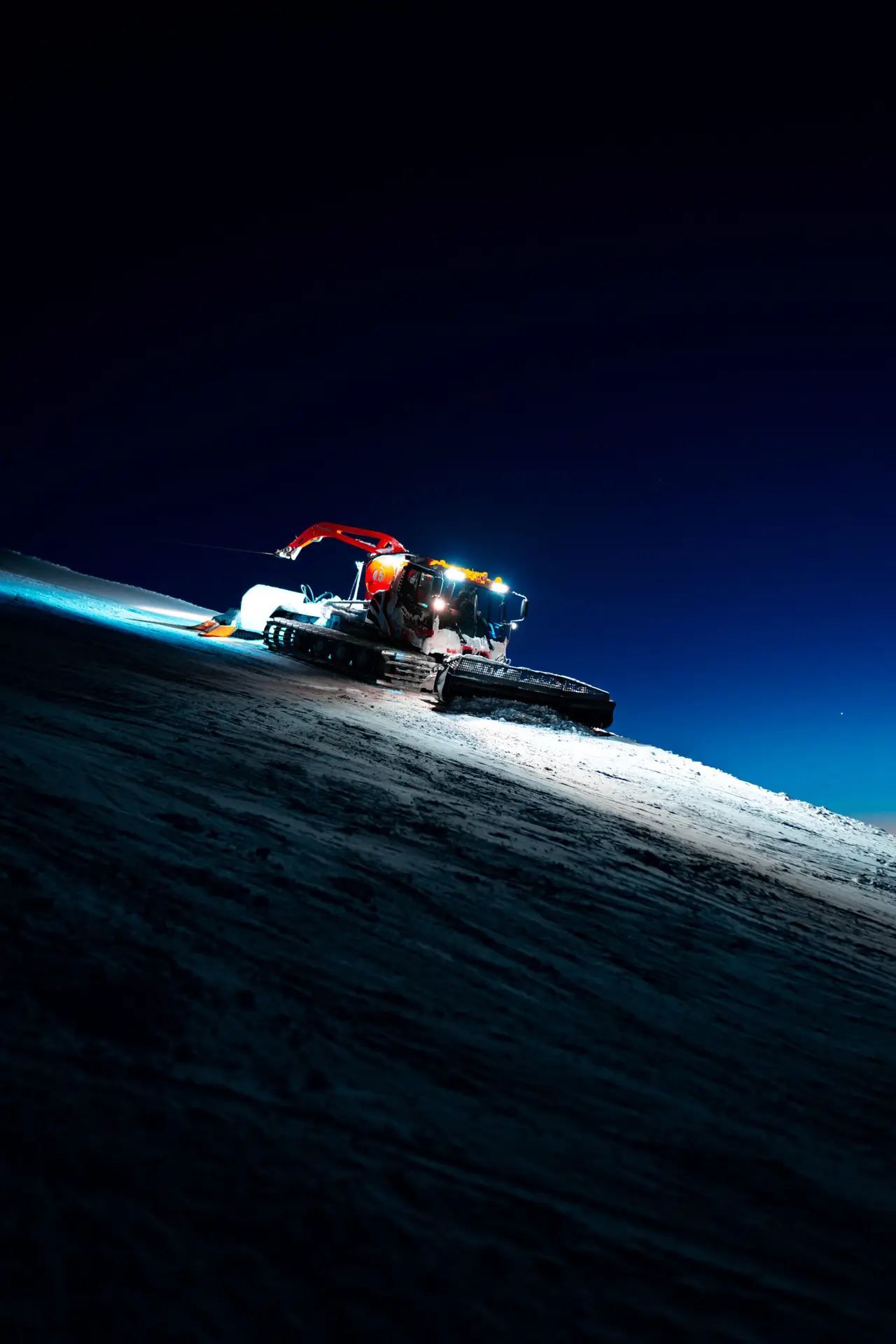
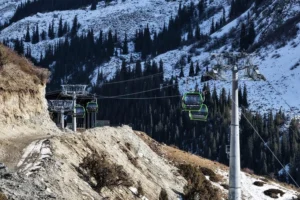
At the same time, ski lifts and mountain infrastructure are being modernized. Upgraded equipment allows resorts to operate reliably even during prolonged cold spells, while improved road access has made mountain areas more convenient for travelers.
Safety has also become a priority. Medical services have been strengthened, and the presence of tourist police has expanded—an important signal for international visitors choosing winter destinations.
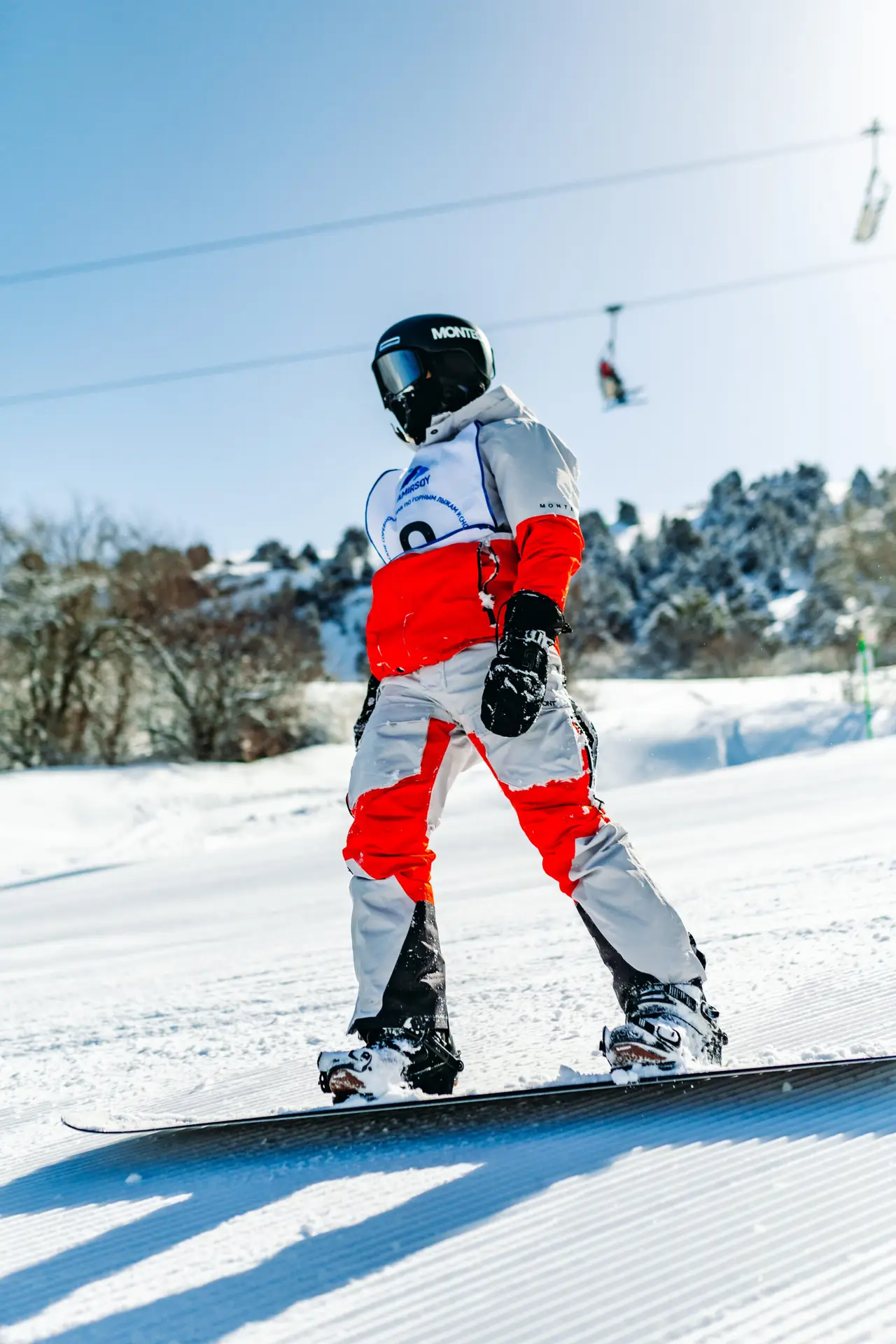
Against this backdrop, interest in winter travel to Uzbekistan continues to grow. Resorts are increasingly hosting sporting events, and the number of foreign visitors is on the rise. Extending the season is no longer merely a technical adjustment but part of a long-term strategy positioning Uzbekistan’s mountains firmly on the map of global winter travel destinations.