The name comes from Kyrgyz and means “Grave of the Fathers.” In the 1930s, authorities secretly executed victims of Stalinist repression here.
A Secret Kept for Decades
For many years, people knew little about the history of this place. Bubura Kydyralieva, the daughter of an NKVD guard, later shared her memories. Her family lived in the area. After leaving for several weeks, they returned and found a factory in ruins.
Bubura remembered how her parents walked every evening to a small brick building. They prayed and wept there. Her father said that the wind had “broken” him. However, Bubura understood that another reason lay behind his words.
Testimony and Investigation
Many years later, she chose to speak openly about what she had seen. KGB officer Bolot Abdrakhmanov became the only person who listened to her. Today, he leads the memorial complex.
The investigation later confirmed Bubura’s account. Archaeologists uncovered the remains of 137 people. Among them were prominent figures of the Kyrgyz SSR, including Jusup Abdrakhmanov, Torekul Aitmatov, Kasym Tynystanov, Imanaly Aidarbekov, and others.
In total, the victims represented 17 nationalities.

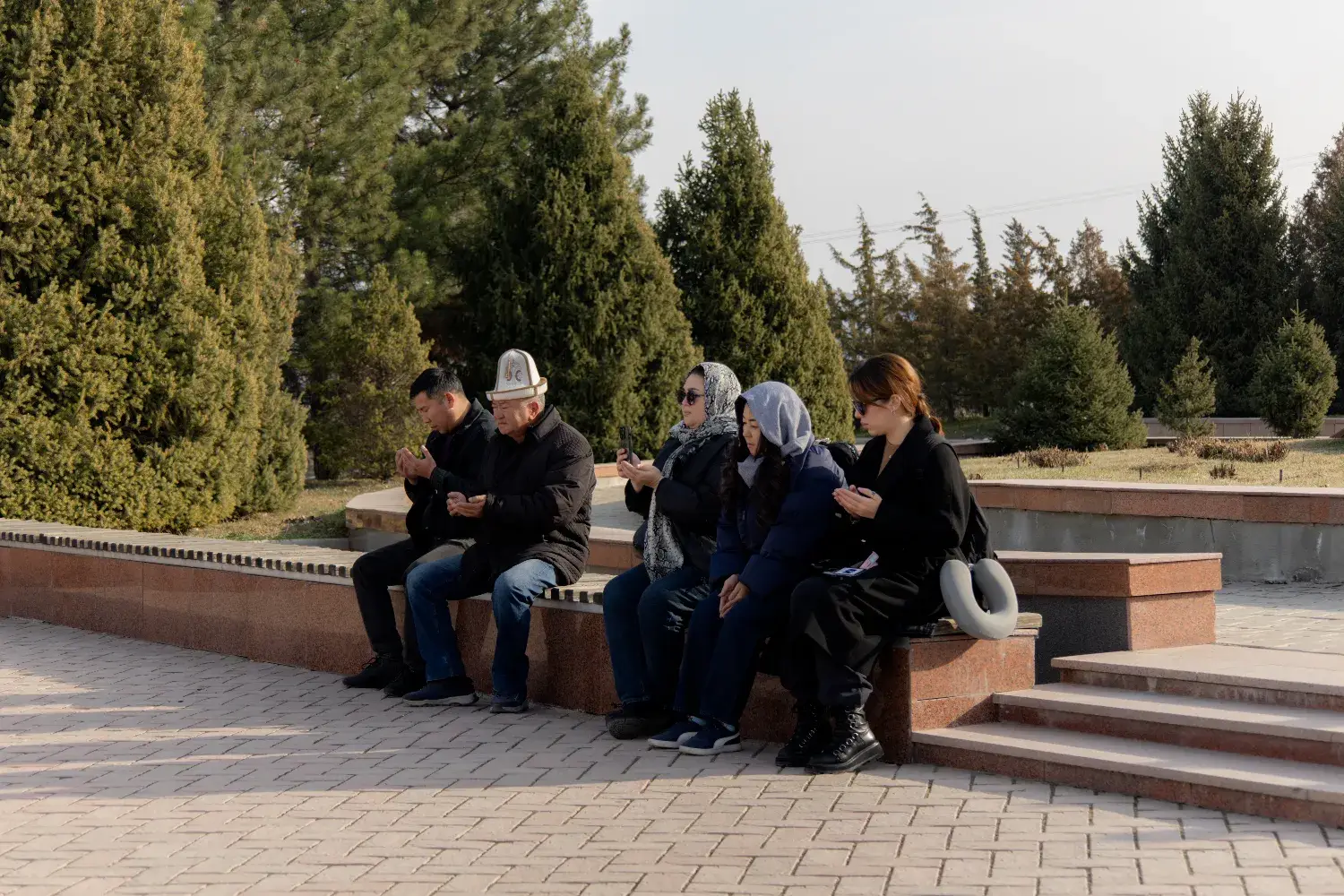
A Place of Remembrance
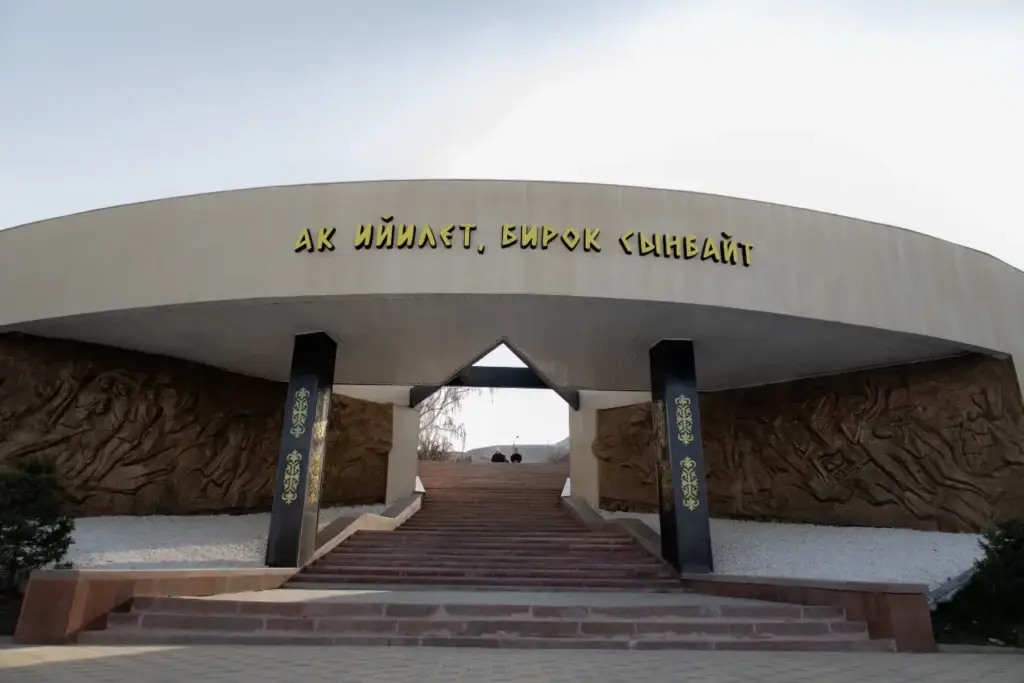
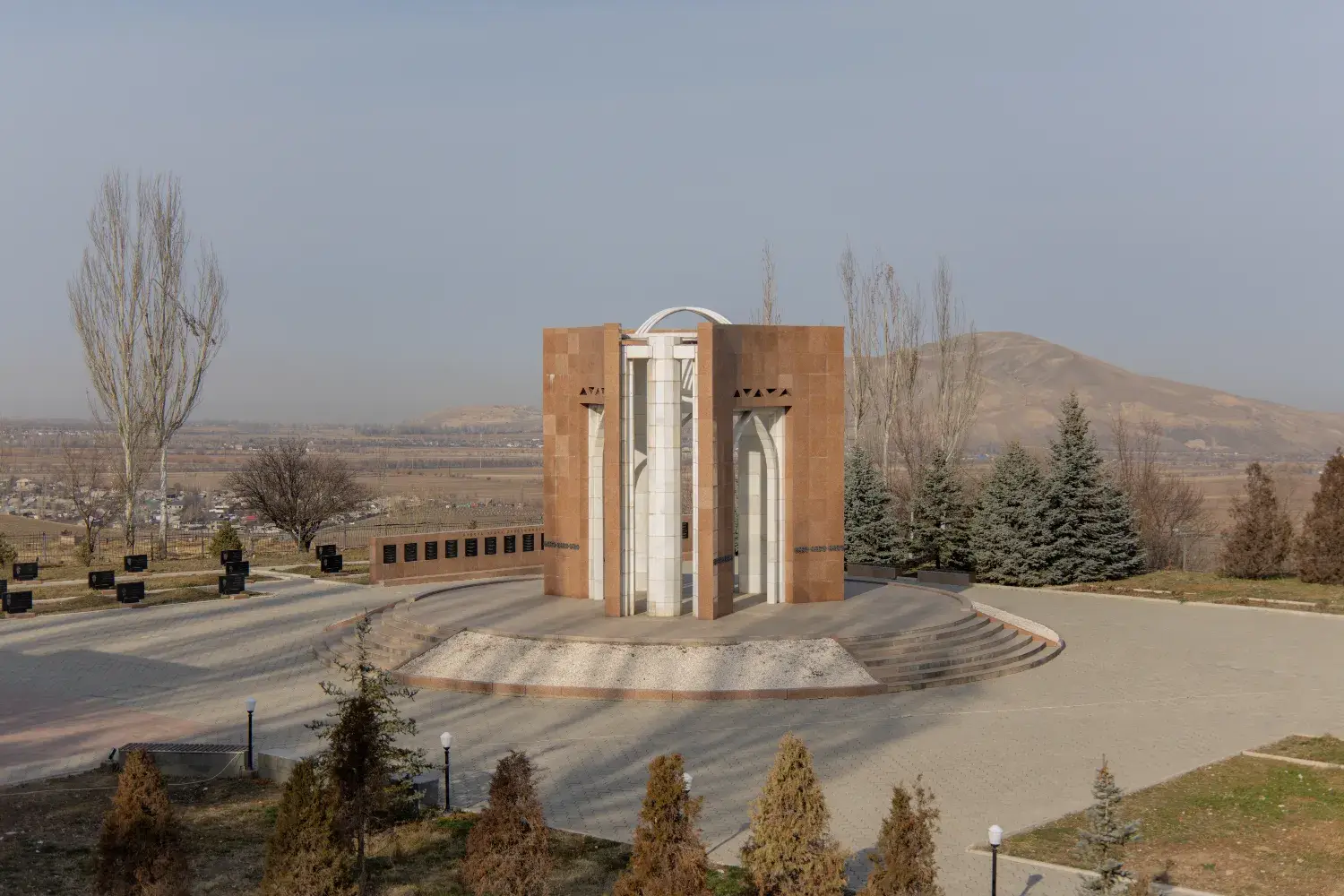
The complex unfolds in a clear sequence. Four bas-reliefs line the main alley. They illustrate key moments in the country’s history – from the 1916 uprising and the difficult escape across mountain passes to the return home and the hope of peaceful skies.
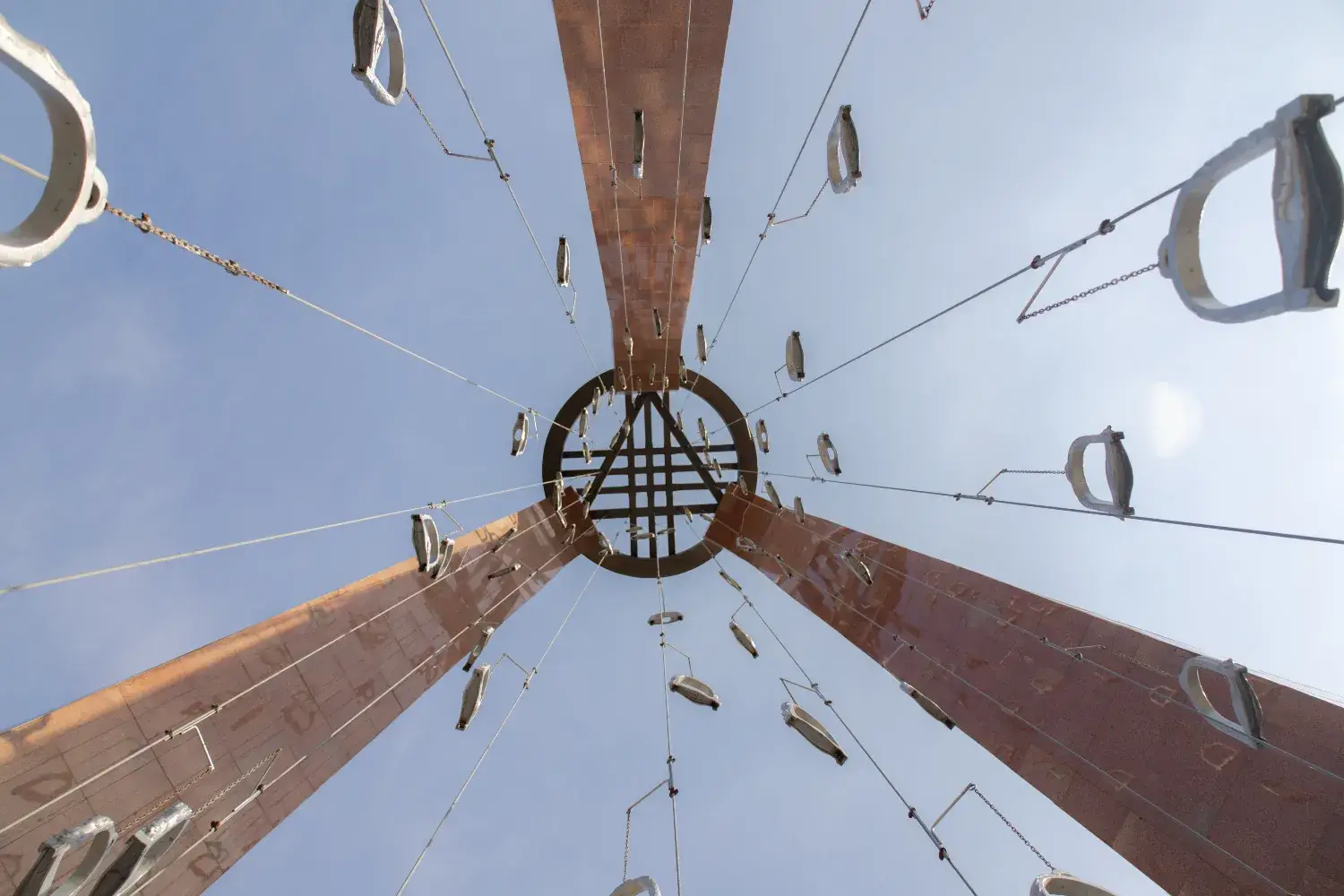
Beyond the alley stands a monument with hanging stirrups, a traditional symbol of remembrance. In nomadic culture, when a warrior died far from home, his horse returned alone. People removed the stirrups and hung them inside the yurt. In this way, they marked loss and remembered someone who never came back.
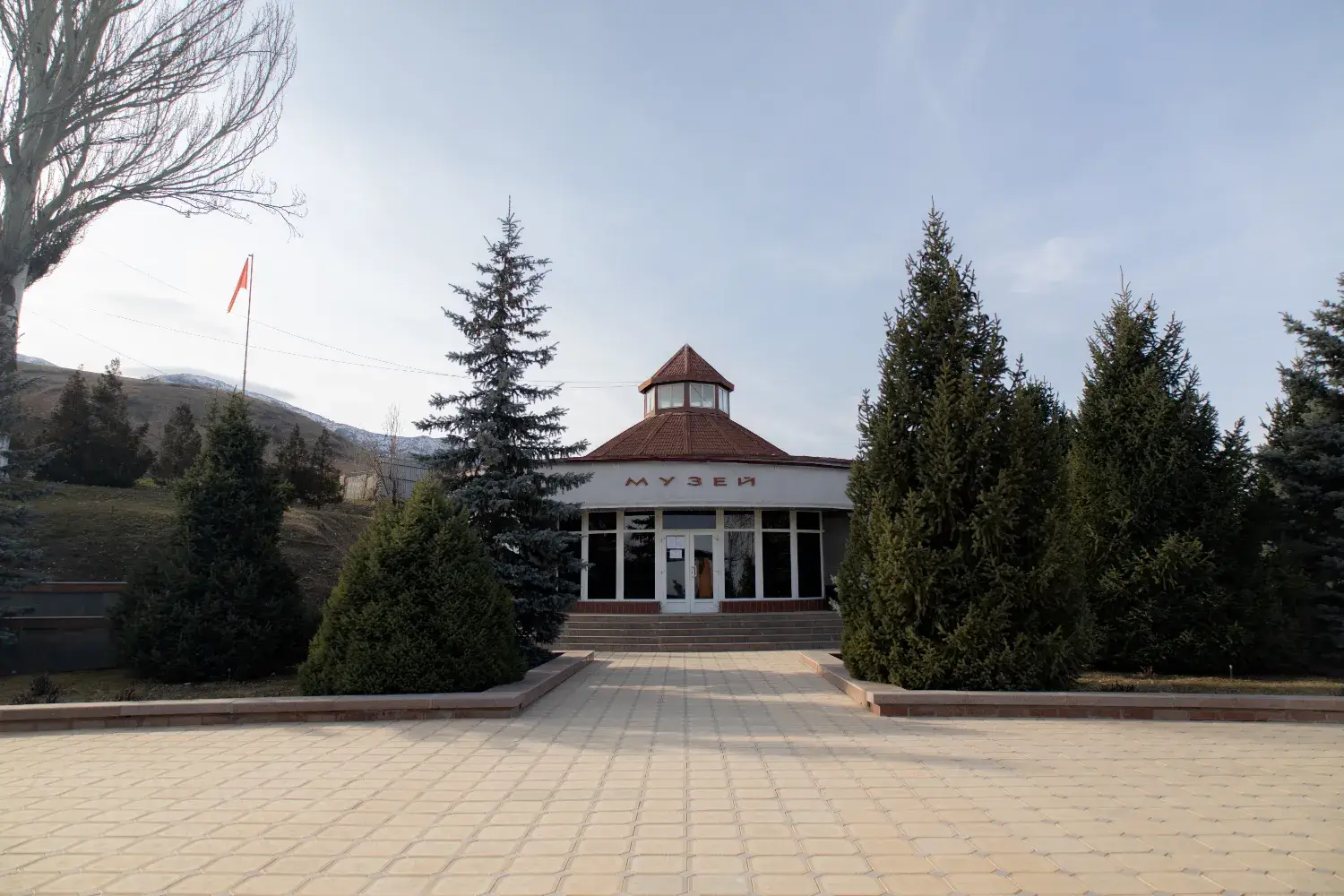
The site also includes a museum. It displays recovered documents, personal belongings, and photographs.
Where History Continues
Ata-Beyit also holds the grave of Chingiz Aitmatov. He rests beside his father, whom researchers later identified among the victims of repression.
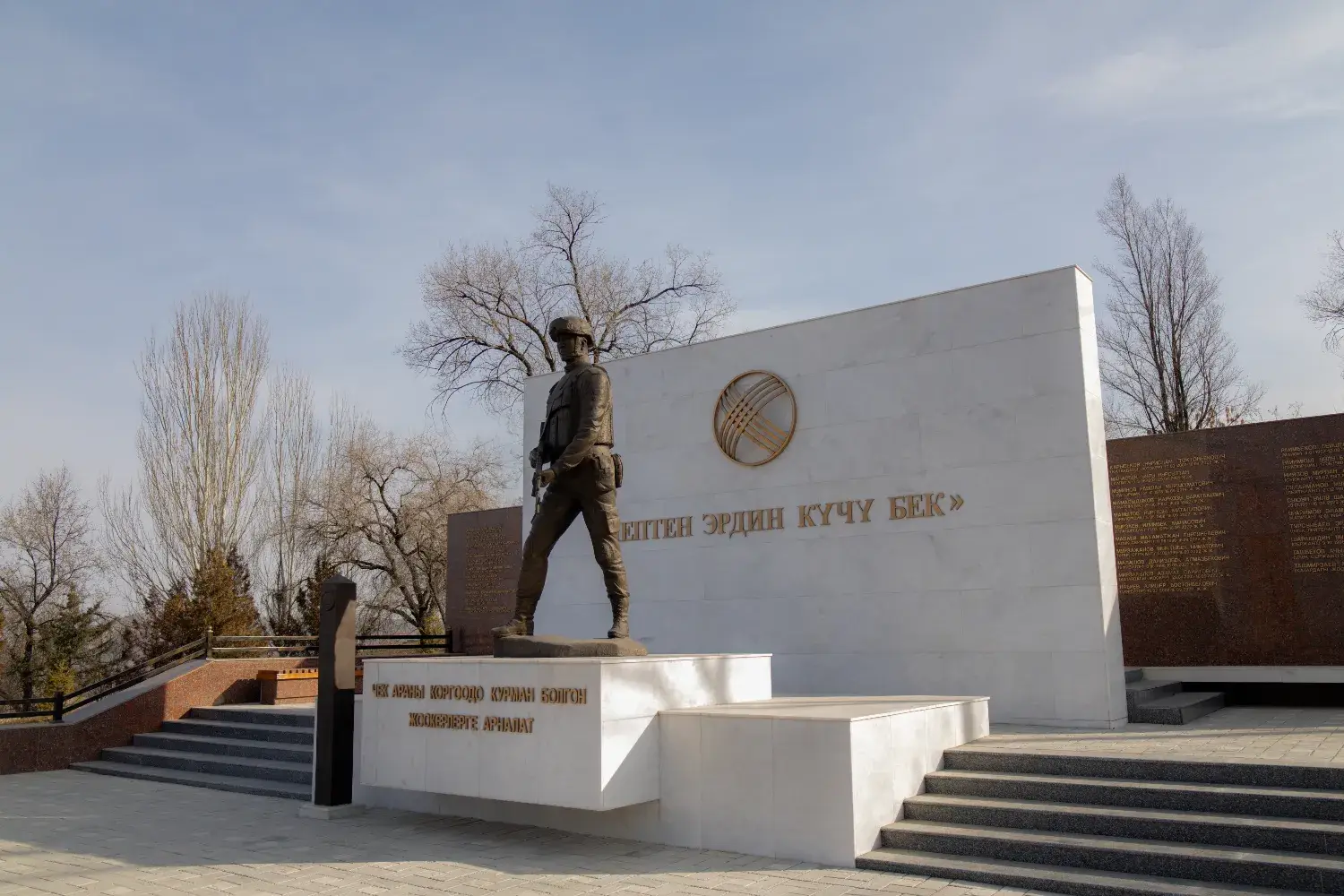
Below the main memorial, visitors find a separate monument dedicated to the heroes of the April Revolution of 2010, as well as a small museum that honors those who lost their lives.
At the end of each visit, the director shows a short film about the site and says: “Every object here represents a life that must not be forgotten.”