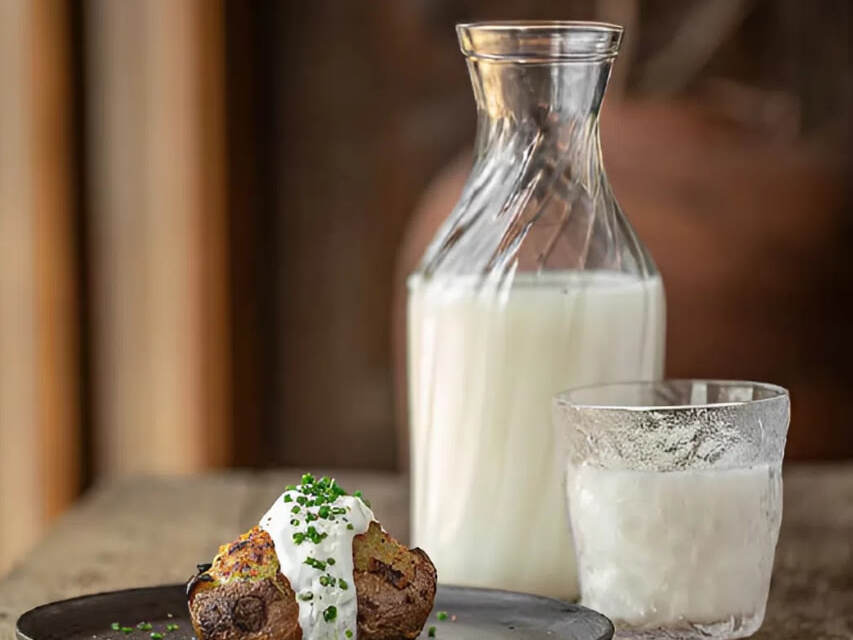
Shubat
A traditional drink made from camel’s milk, shubat is popular across Central Asian countries. Preparation is simple: fresh milk is left to ferment in the sun, sealed in a leather wineskin. Under the influence of natural bacteria, fermentation begins—the milk thickens, becomes slightly frothy, tangy, and alive. Its flavor is tart, with a subtle, textured edge. Shubat is sipped slowly. In the heat of summer, it becomes a nourishing snack in itself. Shubat is served at the ethnic restaurant.

Zardoluob
A traditional Tajik drink made from apricots (zardolu) and water, It is also known as Ghulingob—from ghuling, meaning “apricot kernel.” The drink is prepared using classic Tajik apricot varieties such as mirsanchali and kandak, with the addition of barberry and mint. You can try Zardoluob in the city of Khujand, at Nasiba Café.
Hot tea is the quintessential drink of Central Asia. In winter, it warms; in summer, it helps the body endure the heat. It is a symbol of hospitality. Tea is offered to every guest, and even the act of pouring it into a piala becomes a ritual—one that reflects respect, welcome, and the warmth of tradition.
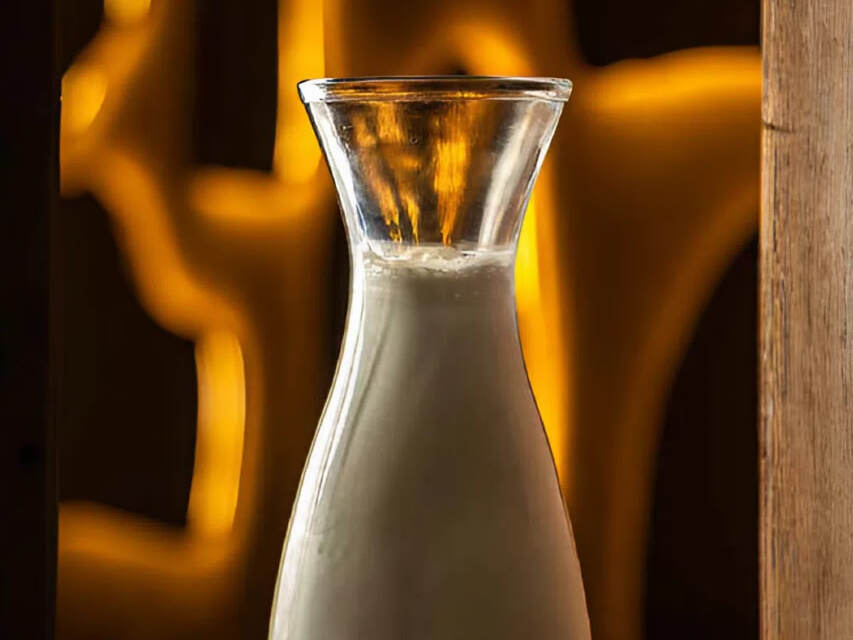
Samoor Tea
Introduced in the 19th century, the samovar became an essential feature of a Kyrgyz home—gathering people around the table, warming, and bringing them together. Beyond the cities, this artifact of daily life can still be found. Tea brewed in a samovar brings a special atmosphere to the tea ritual.
Kuurma Tea
The word “kuurma” means “toasted” or “golden brown.” It is prepared from roasted flour, butter, salt, and black tea. Hearty and sustaining, it supported many through difficult times and remains a symbol of strength and heritage. A true tea for those who value depth of flavor and the enduring power of tradition. These teas—and many others—are served at the Supara Ethno-Complex, just 10 kilometers from Bishkek.
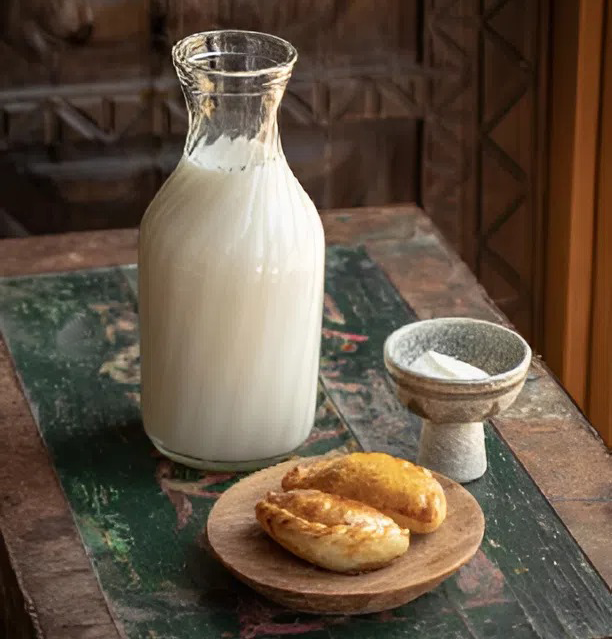
Ayran
A fermented dairy drink that not only quenches thirst but also nourishes. Valued for its refreshing taste and health benefits, ayran is made from suzma or kefir, blended with sparkling water, basil, and spices to taste. You can try ayran at Tandiriy, a restaurant in Tashkent.
Kumis—a fermented drink made from mare’s milk, is especially well known in Kazakhstan, Kyrgyzstan, and Mongolia. With deep historical roots, it is closely tied to the nomadic way of life. Fresh mare’s milk is left to ferment naturally, traditionally in leather flasks or wooden barrels, and stirred regularly over the course of one to two days. The result is a lightly frothy drink with a distinct tang and a soft, natural effervescence. You can sample kumis at the ethnic restaurant.