
Koytendag, which translates as “impassable mountains,” is a small town located in the Lebap region of Turkmenistan, near the banks of the Amu Darya River. This is where we decided to undertake our journey from Ashgabat. Even the local driver taking us to Koytendag had never been there before. All along the way, he was no less amazed by the natural beauty than we were, as discovering a new country for himself.
Airybaba and the Wrath of the Heavens
The first sight on our way was the highest point in Turkmenistan – the Airybaba mountain peak. It rises on the Koitendag ridge at an altitude of 3,139 meters above sea level. Despite the hot climate, its peak remains snow-capped almost year-round. It is a truly awe-inspiring sight. In addition, its slopes are lined with vast juniper forests that are home to endangered species (species listed in the Red Book), while closer to the summit, crocuses and adonises bloom in February.
Many legends surround this mountain peak. According to one of them, a sacred figure is buried atop it – a man who ascended to the heavens before the eyes of his followers, who built him a stone tomb. Another legend claims that during the Great Flood, Noah intended to stop at Airybaba’s peak. But the mountain grew so proud of such honor that the Almighty decided to punish it for its arrogance. He forbade Noah to stop there, and Noah only struck the slopes with his Ark. That is how the mountain became “two-headed.”
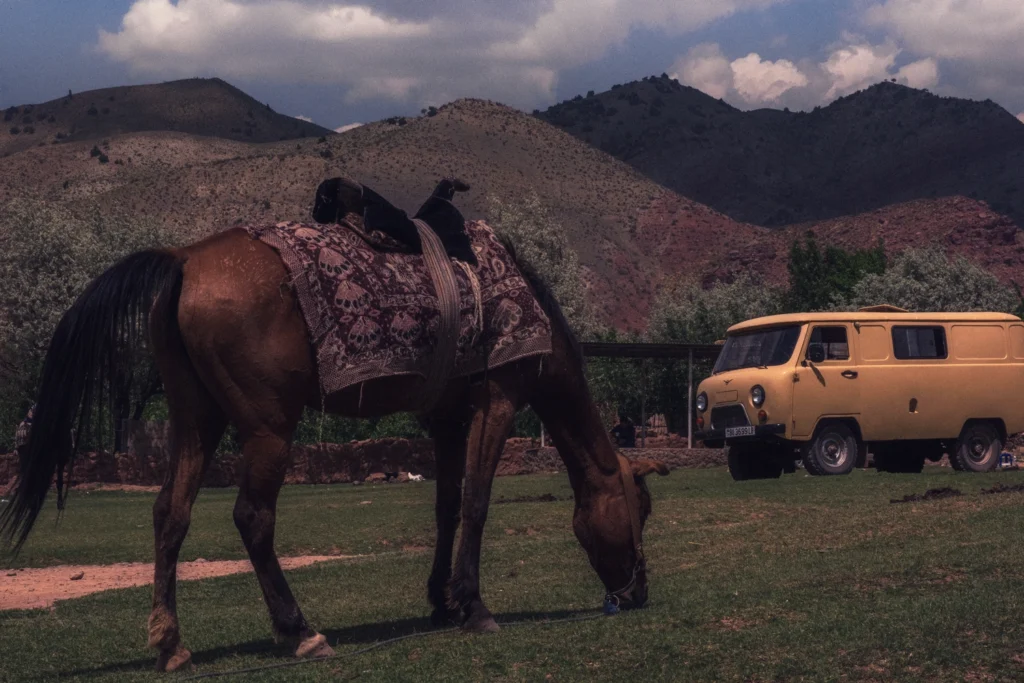
Photo: Erkin Yazov
The millennia-old “Three Brothers”
The surroundings of Koytendag are home to numerous guesthouses offering a range of accommodations. We stayed at the tourist base “Lena-40.” After resting from the road, in the evening we took a walk in the local park. Here grows the legendary Üç dogan (“Three Brothers”) chinar (plane tree). According to different estimates, it is between six hundred and one thousand years old.
The Legend of the Forty Maidens
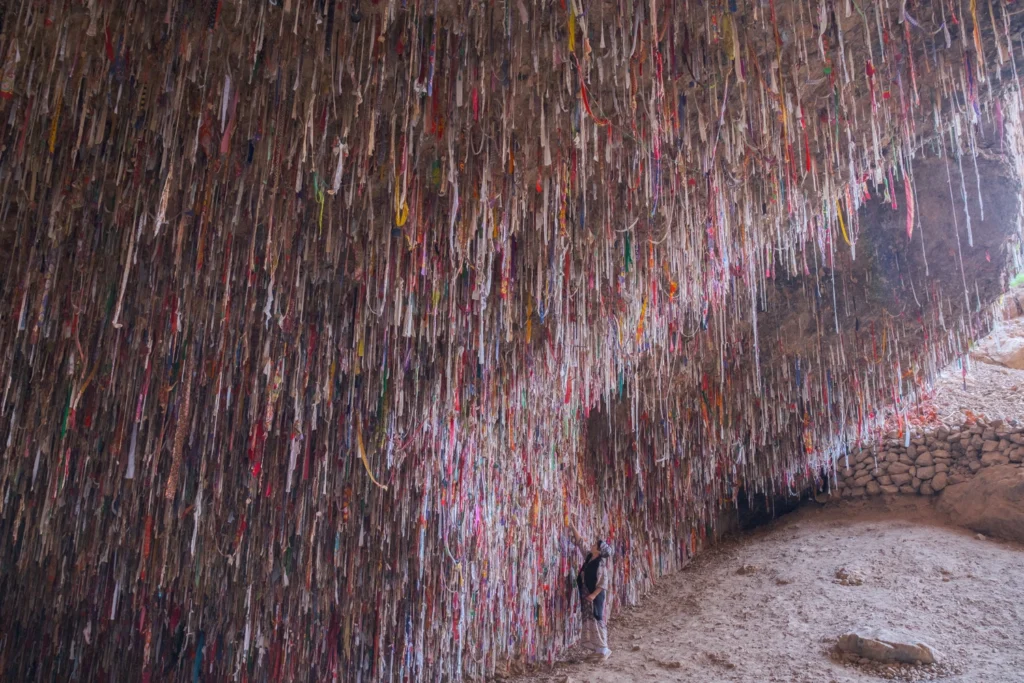
Photo: Erkin Yazov
The following morning, we headed straight to the cliffs near the village of Khojapil. The Koytendag mountain range, also known as Kugitangtau, is an extensive system of deep canyons and steep cliffs. Within it lies the deepest lake in Turkmenistan, Kette-Kel (59 meters deep), along with an impressive network of caves. Our first stop was the Kyrk Gyz (The Forty Maidens) grotto, always lively with pilgrims and tourists.
The towering, almost vertical walls here reach up to 200 meters, while the width of the gorge ranges from 15 to 300 meters. The cave vault is adorned with countless colorful ribbons. There is a local belief that you need to dip a ribbon in clay, throw it onto the stone arch, and make your dearest wish. If it sticks, the wish is destined to come true.
Walking along the canyon beside a stream flowing from the spring, we reached a domed grotto where, according to legend, forty young women from a mountain village once came to rest and bathe.
One day, their village was attacked by enemies. They caught up with the maidens in the canyon, but the cliffs miraculously split open to shelter them, while the belongings they left behind turned into stone, forever preserving the memory of the forty beauties.
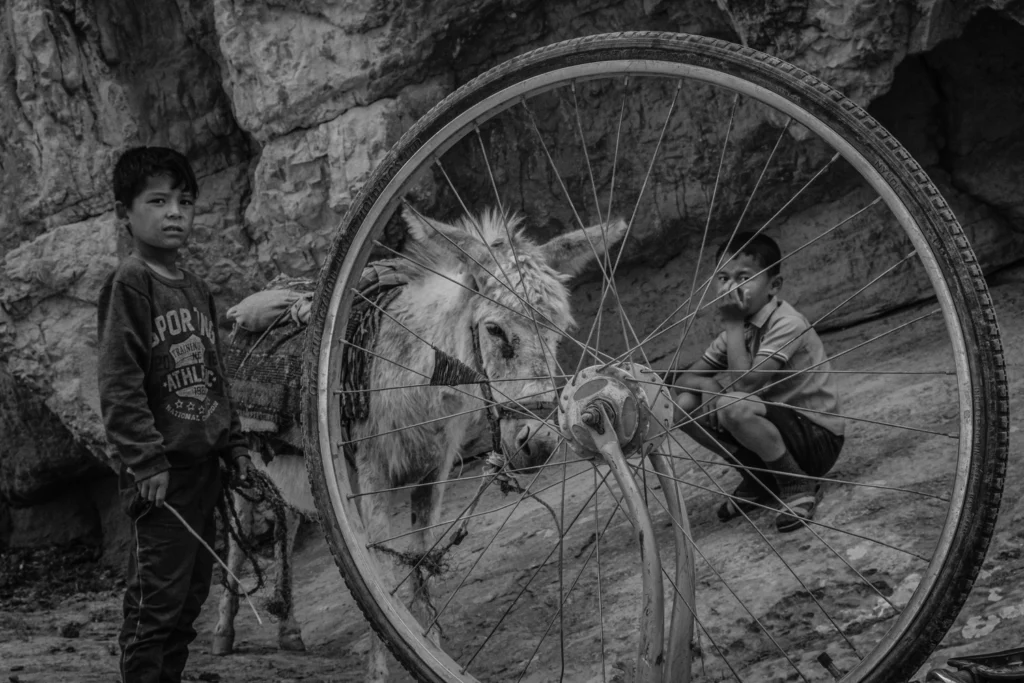
Photo: Erkin Yazov
“Holy Elephants” and the Legend of Blind Umbar
The next destination on our journey was the Dinosaur Plateau, also known as the “Holy Elephants,” located near the village of Khojapil. Legend has it that the massive footprints here were long believed to be the tracks of elephants from Alexander the Great’s army. The plateau itself, with about three thousand tracks forming thirty-one distinct paths, is a truly awe-inspiring sight.
From there, we headed southeast of the village to another Koytendag to yet another hidden gem of Koytendag – the Umbar-dere Gorge. Its pride is the namesake waterfall, plunging from a height of 30 meters. A real oasis, a cool breeze and murmuring waters washed away all our fatigue.
Many ancient legends are connected with this place, and locals believe that the waters of Umbar-dere possess healing powers. One of the most well-known tells the story of a blind old man named Umbar, who herded his small flock. He knew every path, every rock, and every stone in this gorge better than anyone with sight.
One hot summer day, he led his animals to the waterhole. After washing his face and eyes beneath the waterfall, he sat down in the shade of an old plane tree and raised his prayers to the heavens. His voice, filled with sincerity and pain, was answered by a true miracle – Umbar regained his sight.
Since then, Umbar-dere has become a sacred place, where people visit seeking hope.
The Inviolable Grove of Chilon-ata
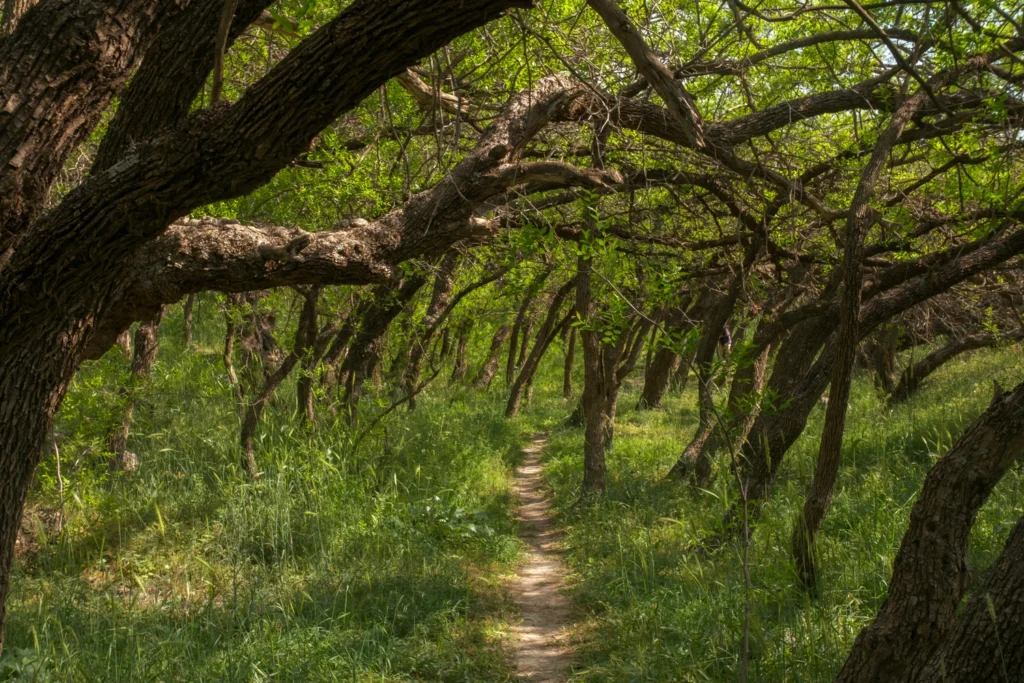
Photo: Erkin Yazov
On the way back, our driver suggested stopping at another unique place, the jujube grove, or Chilon-ata, as the locals call it. It is located near the village of Koyten.
According to legend, a wandering pilgrim stopped by a spring to rest. Finding no shelter from the scorching sun, he stuck his staff into the ground, hoping for the smallest patch of shade. Miraculously, it took root and began to grow. An extraordinary tree rose by the spring, giving life to new shoots. Over time, the jujube grove emerged, and the spring itself came to be considered healing. There is also a belief that once the trees in this grove grew tall enough, they all bent at unison toward Mecca.
For locals, Chilon-ata is a sacred, untouchable place preserved in its original state. No trees are cut, no branches broken, no livestock grazed. As a result, the grove is filled with a special stillness that naturally inspires reverence for nature.
In Lieu of an Afterword
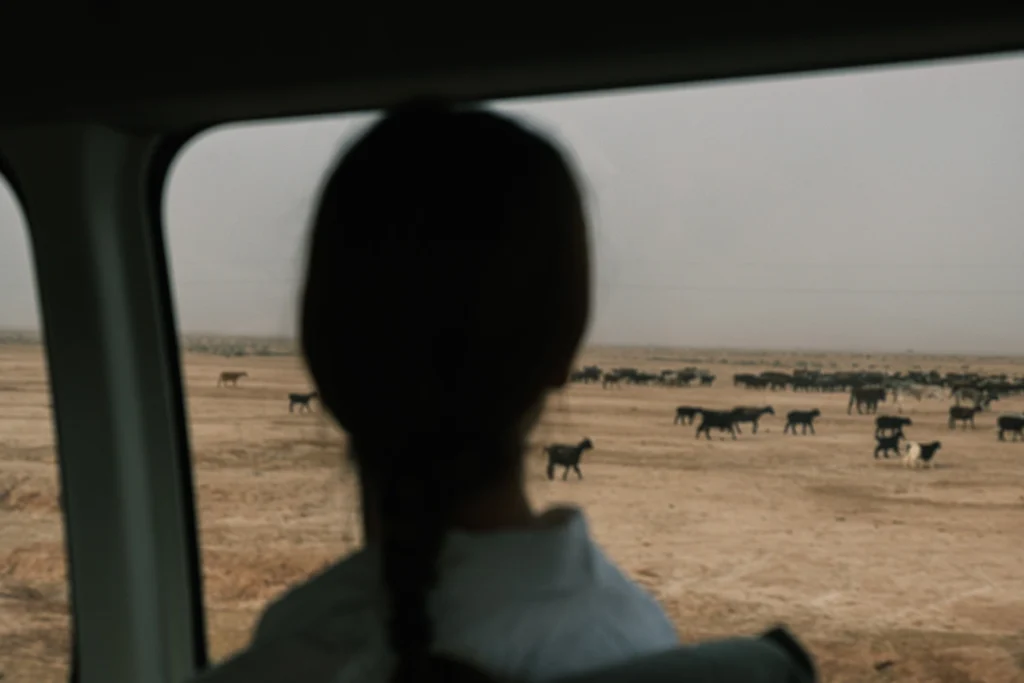
Photo: Erkin Yazov
Every spring, I return to Koytendag, to its trees, waters, and plains; I recall the stories of the maidens saved by the cliffs and the blind man who regained his sight. This land never ceases to inspire. Its flora and fauna, age-old tales, and ineffable atmosphere make it truly unique.
Yet, I wish to leave a word of counsel for anyone who decides to explore the legends of Koytendag: if you are a novice traveler, do not attempt to do it on your own. These ancient places lack the usual trail markings, campsites, and other conveniences, and the shops are mostly small stalls run by locals, often selling mountain herbs and souvenirs. Therefore, it’s better to take your first trip through a travel agency, together with fellow seekers of adventure and lovers of ancient mysteries like yourself.
How to Get There
The first part of this journey can be undertaken by two means: 18 hours by train to Amudarya or about an hour by plane to Kerki, but in both cases, you’ll still need to drive another three hours to reach Koytendag. Nevertheless, the experience is worthwhile. Whether you choose to travel by air or by rail, the trip will cost you around $60, including the car ride.
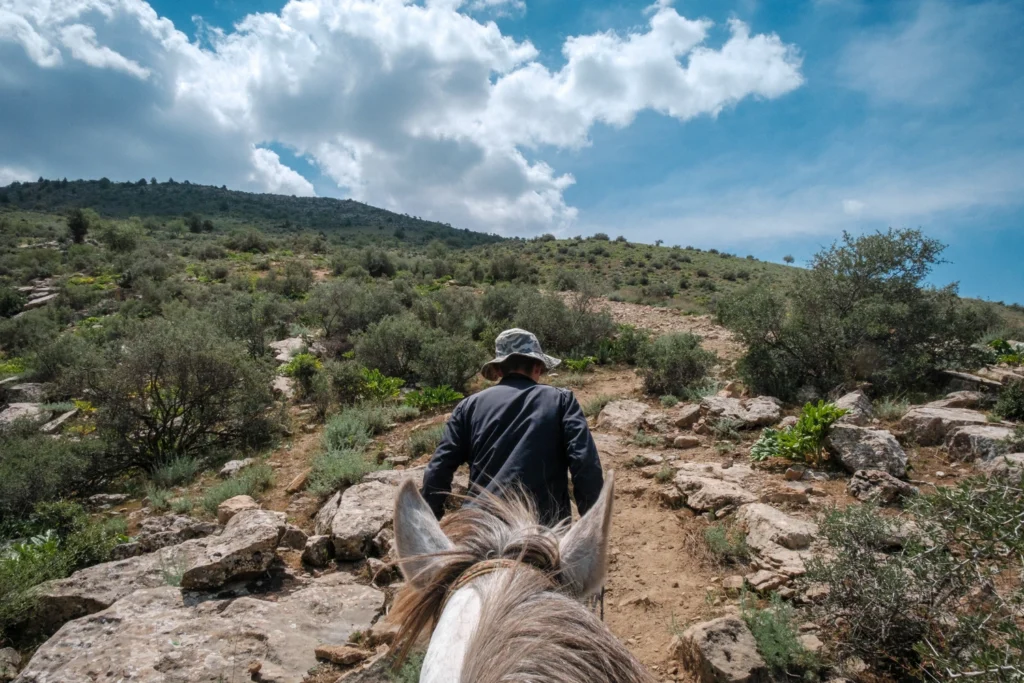
Photo: Erkin Yazov
Where to Stay
Tourist base “Lena-40.” Besides that, there are many guesthouses in the area with different levels of comfort. Staying at the base costs about five dollars per night, excluding meals.
The material was published in Travel+Leisure Central Asia magazine (February-March 2026)