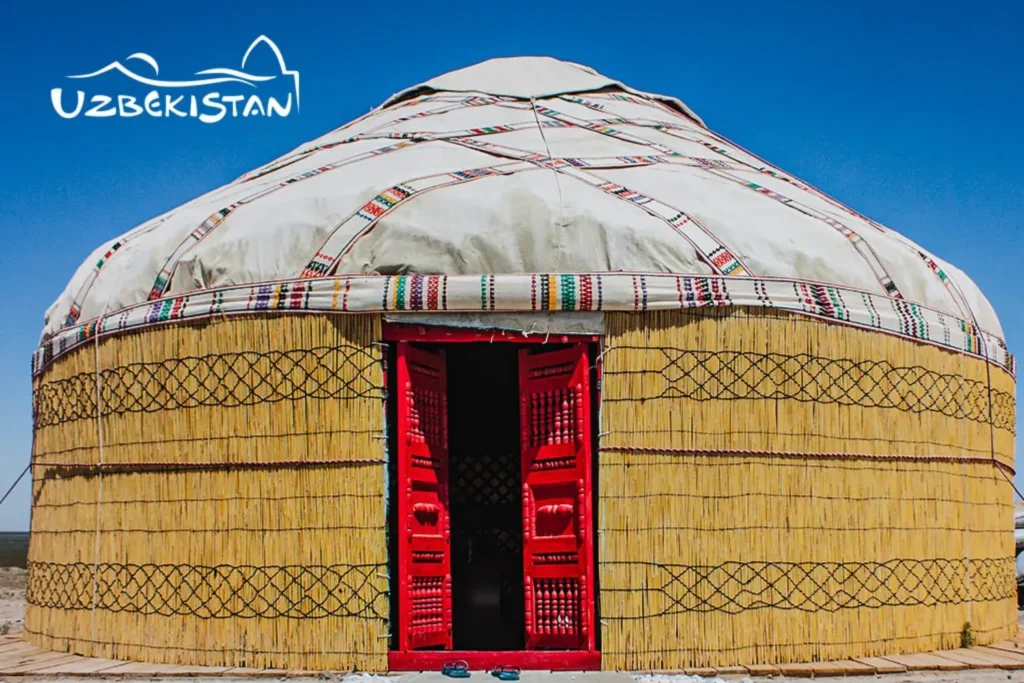
The nomadic culture of the Turkic peoples of Central Asia is a vital part of the region’s history. The yurt, the traditional dwelling of nomads, embodies mobility and the ability to adapt to a harsh climate.
Its construction is carefully thought out. The yurt is lightweight, portable, and can be assembled quickly. All materials are natural. The yurt reflects harmony between humans and nature. Every element has meaning and serves a function.
A yurt is more than just a home; it is a symbol of national identity. Erecting one requires knowledge and skill. The selection of materials, assembly techniques, patterns, and decorations are passed down through generations, preserving cultural continuity.
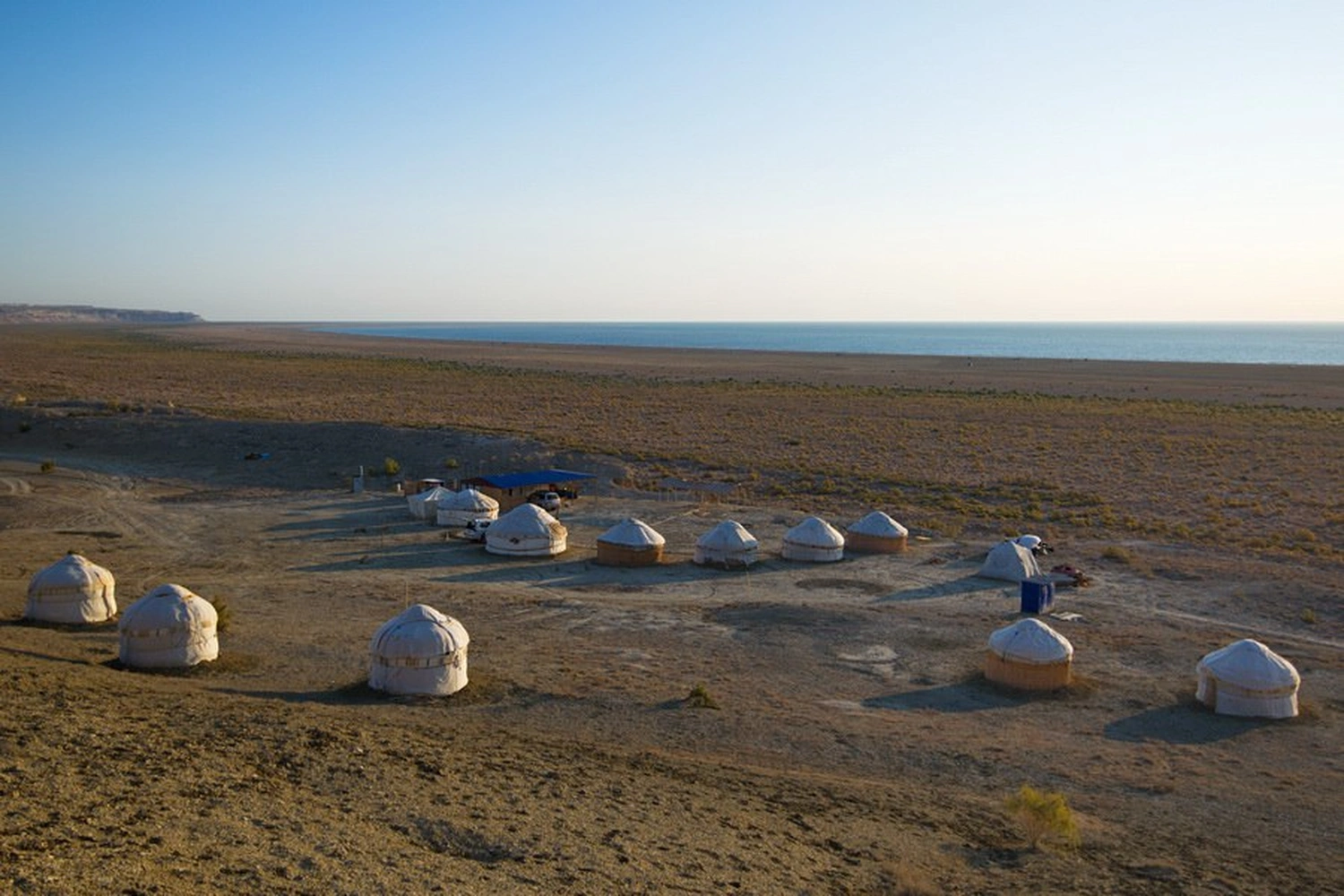
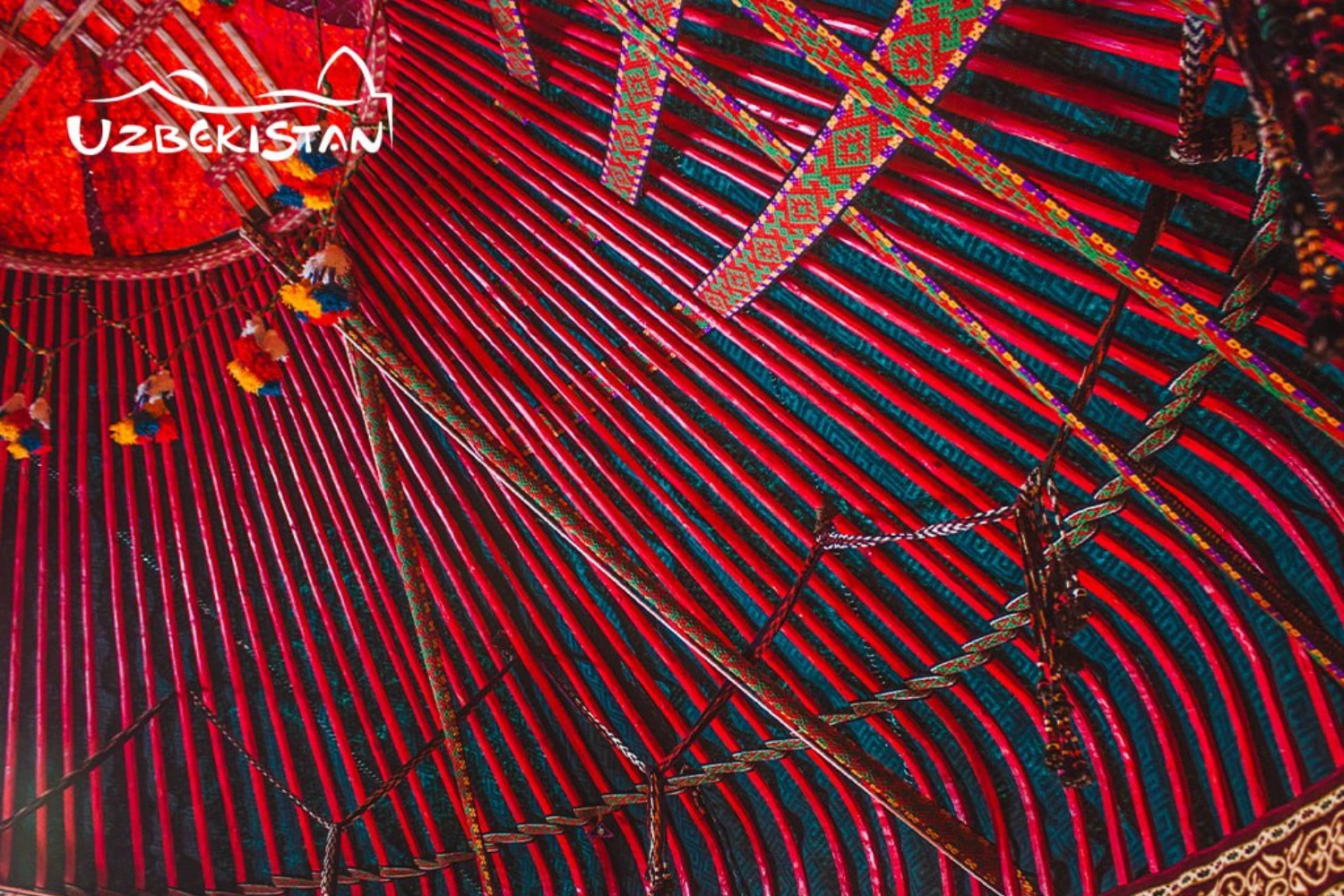
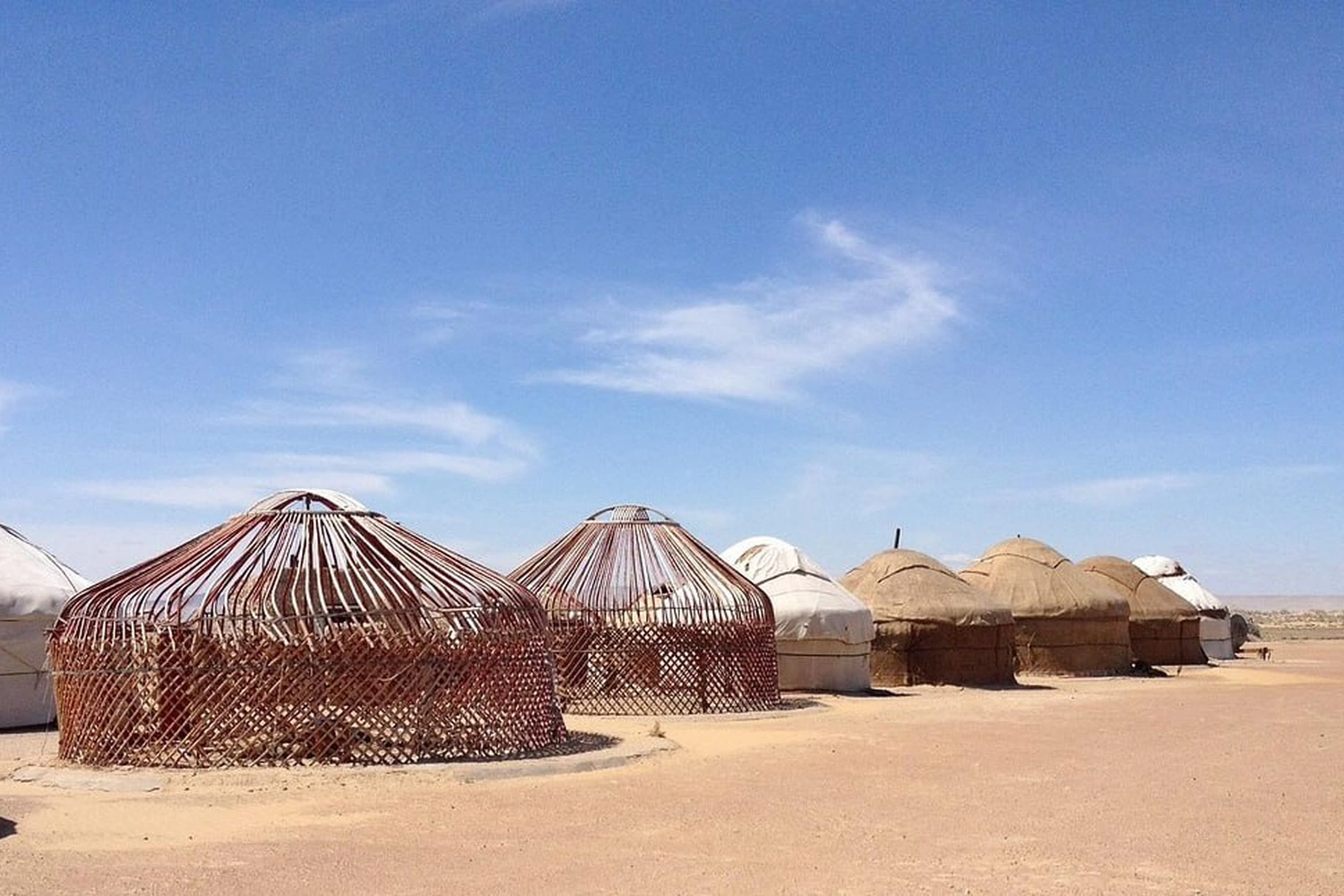
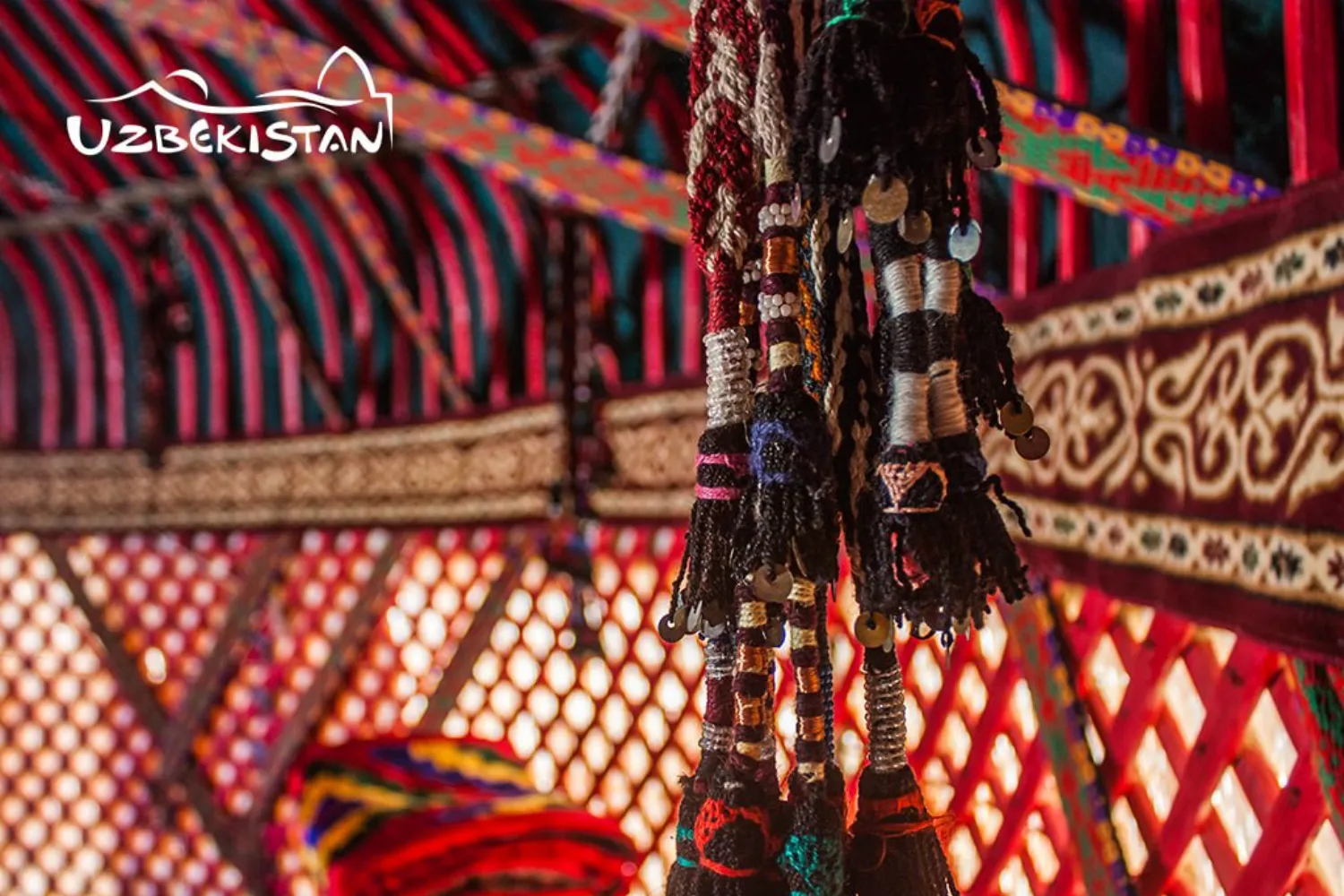
The Karakalpak yurt impresses with its structure and decorative elements. Its patterns reflect the people’s connection to nature and tradition. The white felt of wedding yurts symbolizes joy and new beginnings, while the darker felt of ordinary yurts combines practicality with aesthetics.
For nomadic peoples such as the Karakalpaks, Kazakhs, and Kyrgyz, the yurt remained the main dwelling until the late 19th century. In the 1930s-1940s, it was used by herders during seasonal migrations. Today, yurts are part of ethno-villages and museums, allowing visitors to immerse themselves in traditional ways of life.
At the 20th session of the UNESCO’s Intergovernmental Committee for the Safeguarding of the Intangible Cultural Heritage in New Delhi, the yurts of the Karakalpak, Kazakh, and Kyrgyz peoples were added to the list of objects in Need of Urgent Safeguarding. Preserving this heritage requires passing on craftsmanship skills, government support, and promoting the yurt. This strengthens national identity and promotes Turkic culture on the global stage.