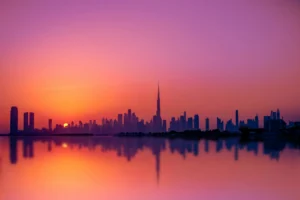
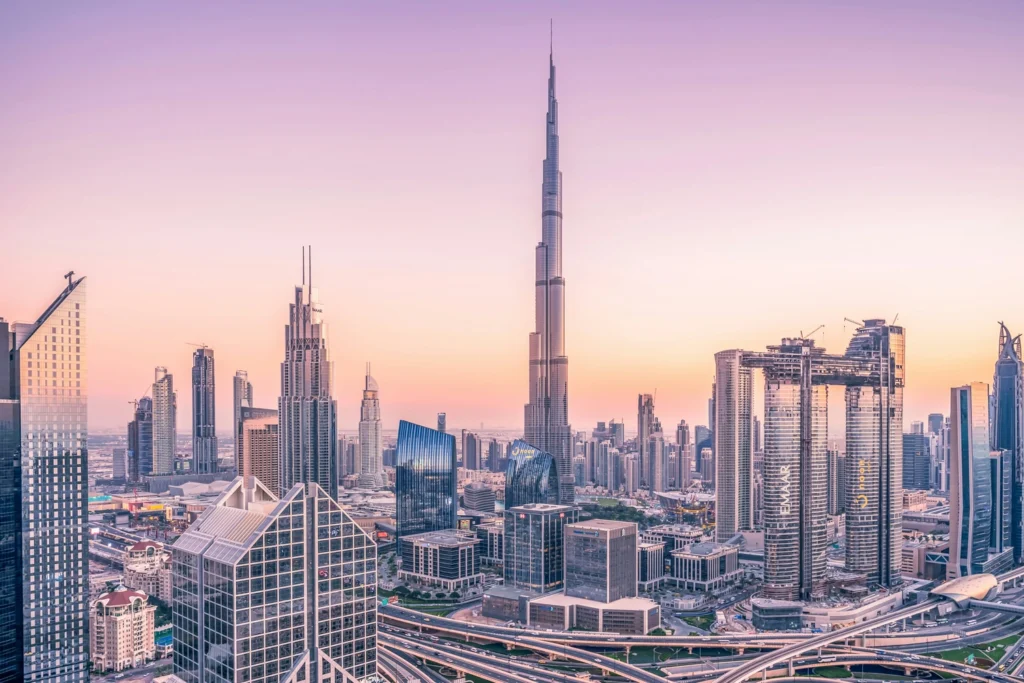
Before stepping into contemporary Dubai with its futuristic architecture, I headed to the city’s historic district.
Al Shindagha Museum
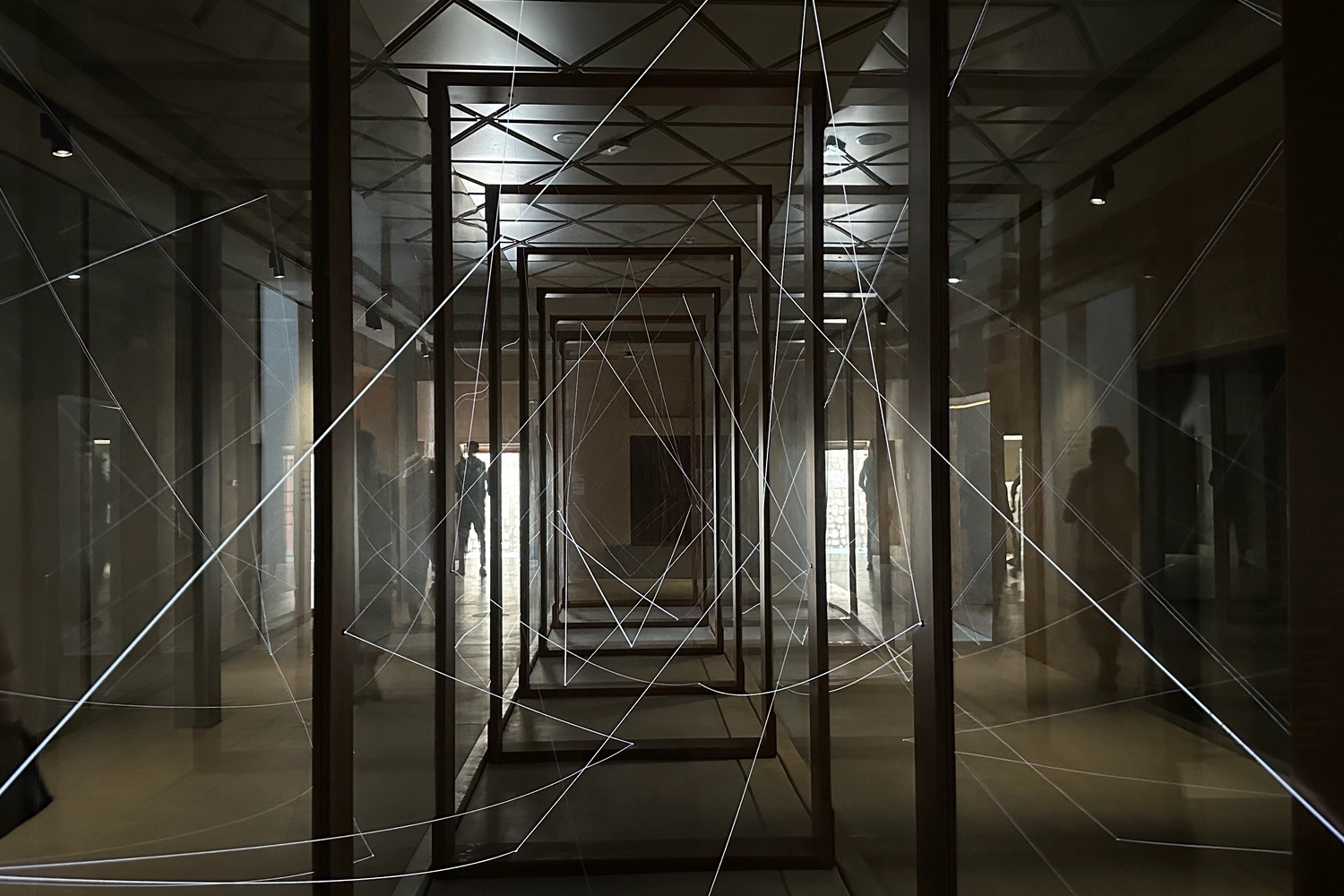
At Al Shindagha Museum, what moved me most was the architecture. These are not carefully aged stage sets, but a real old neighborhood. The houses have been preserved, and the museum has been placed inside them.
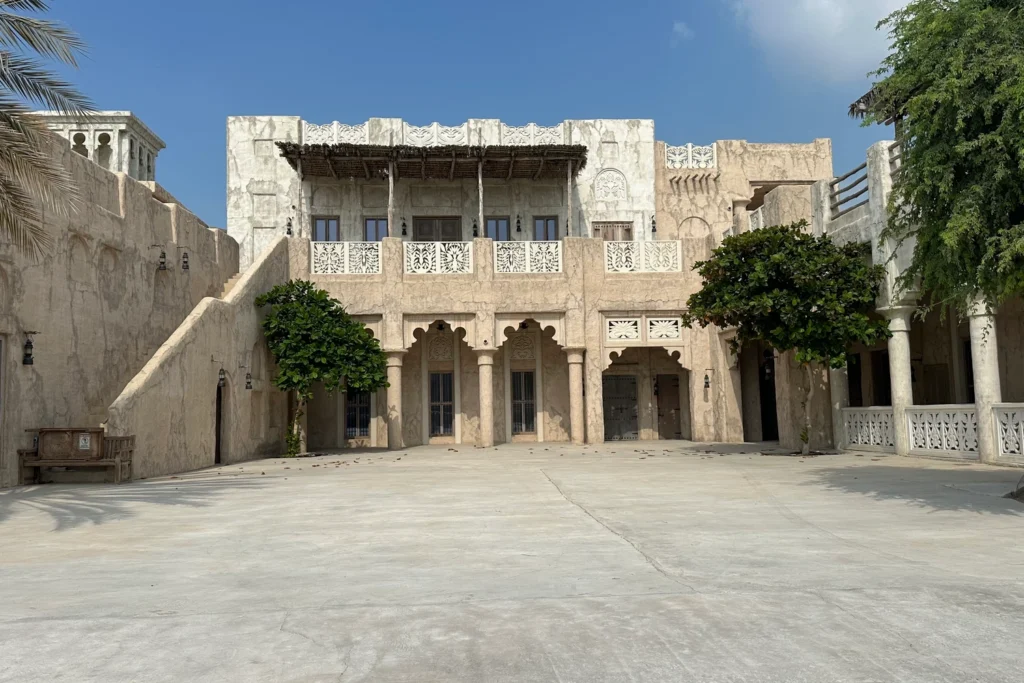
Photo: Yuliya Kim
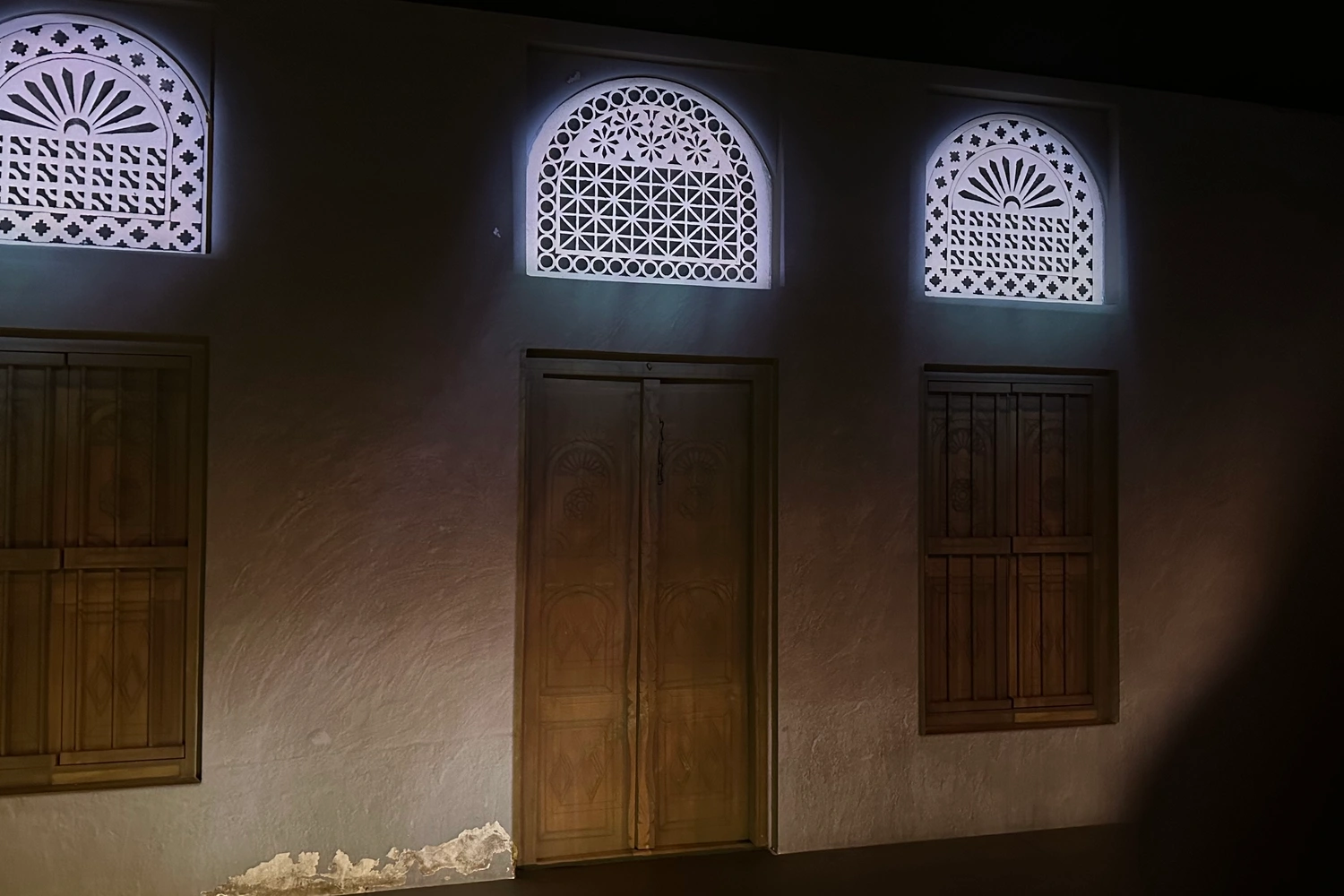
I didn’t feel as if I had “traveled back in time.” Each room tells a different story. You can sit on a bench, like in a small cinema, and watch how people once lived, how they fished, how their daily lives were built. At some point, the windows open, the light changes, silhouettes appear along the walls. It’s not just a video – you feel as if you’re gently drawn inside.
And yet, there was no complete immersion. I saw the history, but I didn’t live it.
There are pieces of jewelry, school items, old photographs of fishermen’s children. It’s all touching, but after visiting the Museum of the Future, the feeling is different. When you see both museums, you begin to understand that the Emirates look toward the future. They invest money, emotion, and genuine interest into what lies ahead. People here do not dwell on the past – and perhaps that is why museums that preserve it are not as popular.
I still couldn’t quite grasp where this city came from. For me, it remains a city of skyscrapers rising straight out of the sand. Beautiful and impressive, but I didn’t feel a personal emotional connection.
The old district, however, is beautiful in a very real way. Clay walls, palm trees, the sea nearby. And somewhere in the distance – the futuristic ring of the Museum of the Future, as if defying the laws of physics. Two realities. And you stand between them.
Markets and Flavors
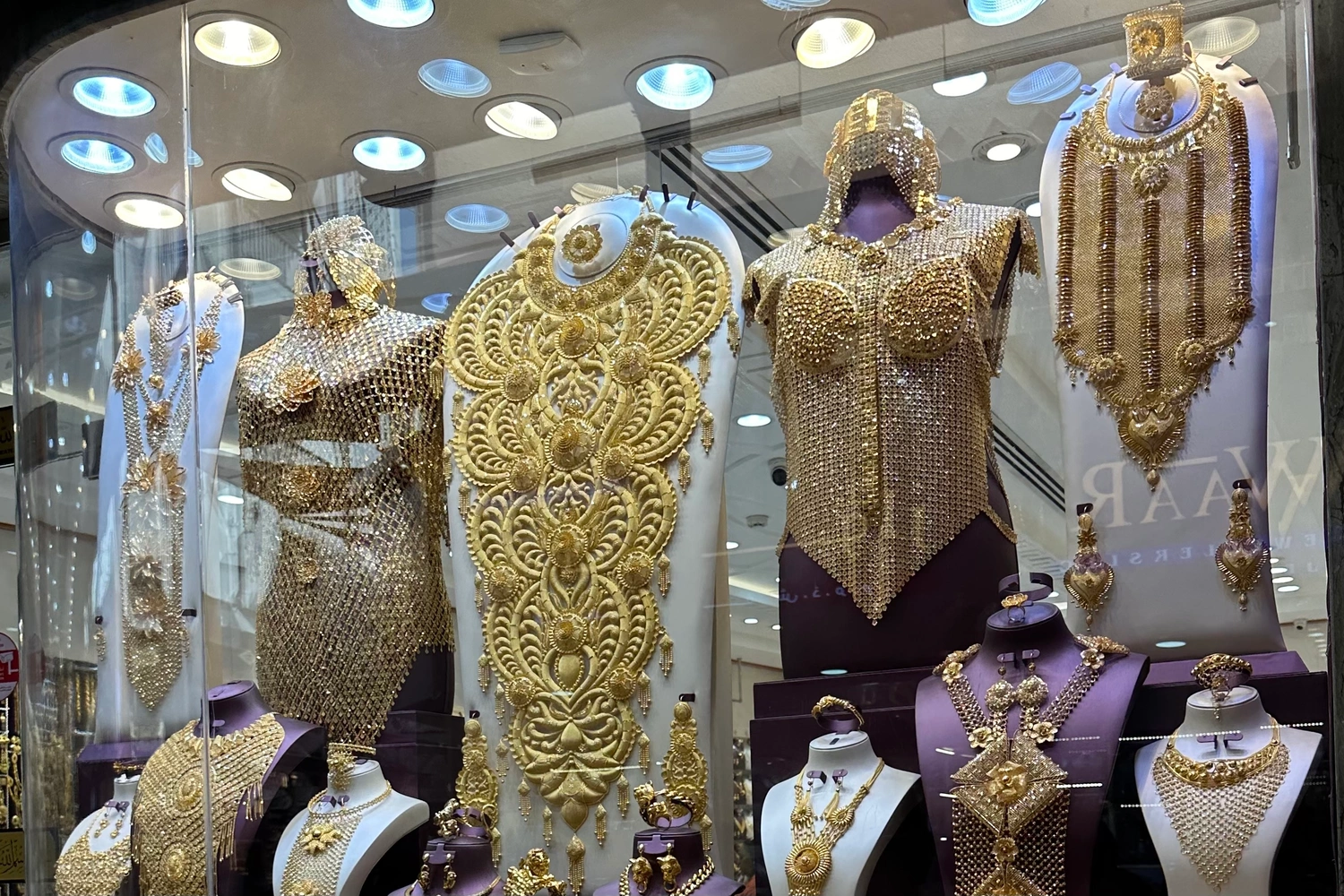
At the Dubai Gold Souk, I first felt the scale of local wealth. Where I come from, gold means rings and earrings. There, it means dresses and entire constructions made of metal. You can buy a massive set and add diamonds to it. It looks incredibly striking.
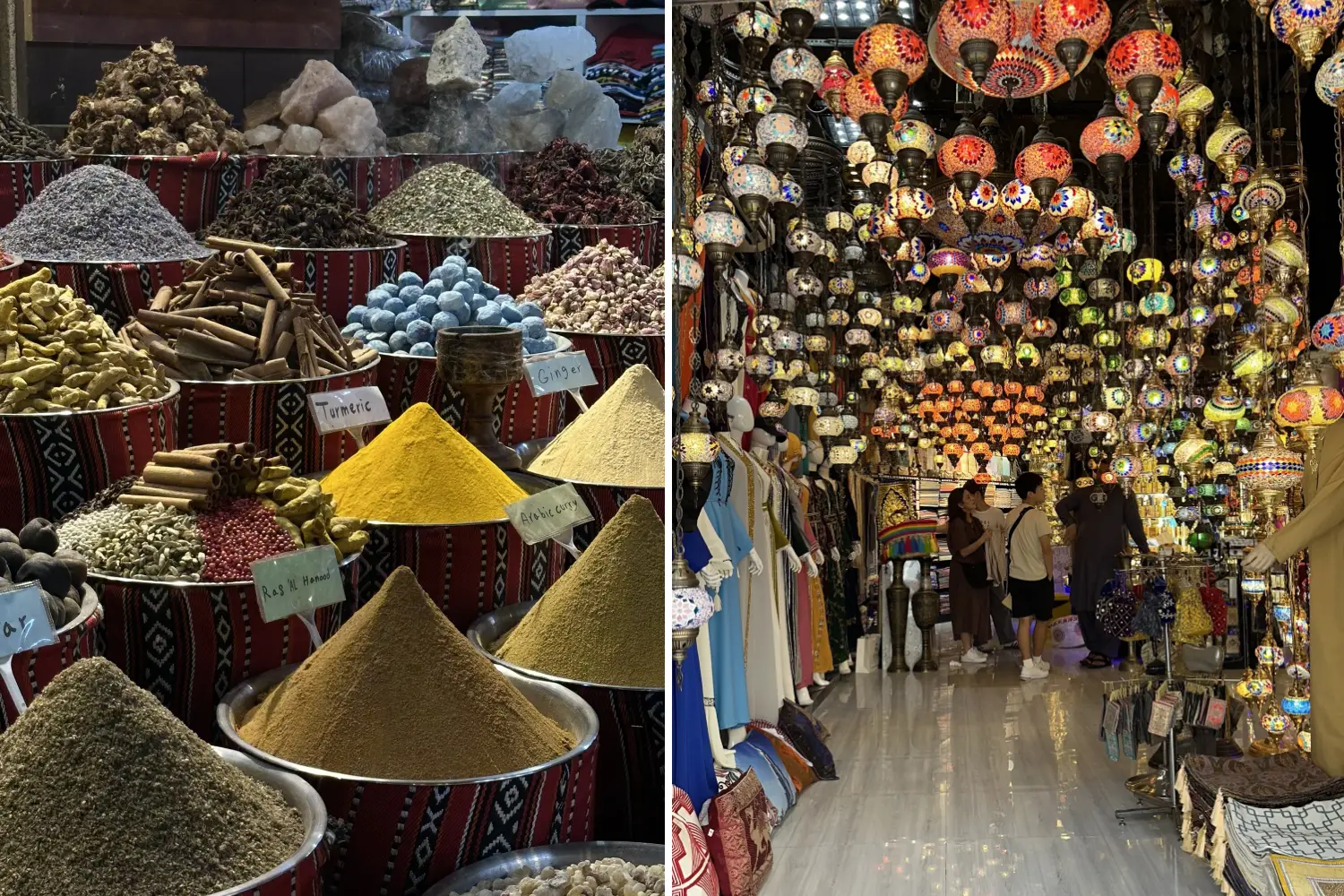
At the spice market, the selection is enormous: saffron, spice blends, teas, sweets. They even showed us how to tell real saffron from a fake. The vendors are open and friendly, eager to talk and happy to let you taste everything.
Arabic coffee was a separate experience. Its color is light, almost like orange juice. The taste is very bitter – much stronger than what I’m used to. At first, it was a shock. But when you drink it with dates or local sweets, the flavor unfolds differently. The bitterness no longer hits sharply; instead, it gently highlights the sweetness.
A funny moment happened in a shopping mall: hearing us speak Russian, a salesman greeted us in Russian. I asked, “How do you know Russian?” He jokingly replied, “From a camel.”
Two Dubais
Was there a moment when the city felt “real” to me? Probably not. There is the spectacular Dubai and the everyday Dubai. The city has long become international – you can see it in the people and in the languages you hear around you.
The contrast is sharp. Step away from the polished storefronts and stone-paved promenades, and the atmosphere changes. Expensive perfumes give way to the smells of street food. Simple houses with laundry hanging on lines appear, cyclists pass by, workers’ neighborhoods unfold. The difference is not in the quality of life, but in its rhythm.
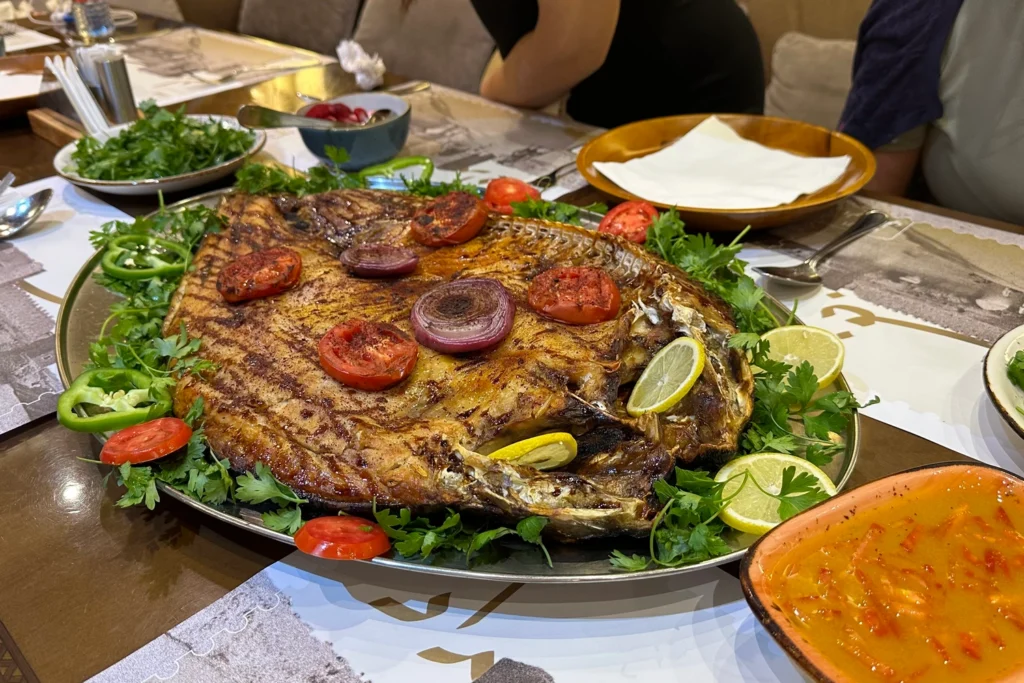
Photo: Yuliya Kim
We tried food from different cuisines – Iranian fish, Turkish kebabs, and other dishes. We ate right on the street, listening to our guide. And in that moment, I felt the living city. People after work, conversations, ordinary life.
And then you remember that just recently you were standing by Burj Khalifa and in The Dubai Mall, surrounded by glitter and luxury storefronts. It feels strange, almost like switching television channels.
But in essence, it is all one Dubai. It is simply very different.
I’ll share what the second day turned out to be like in the next part.