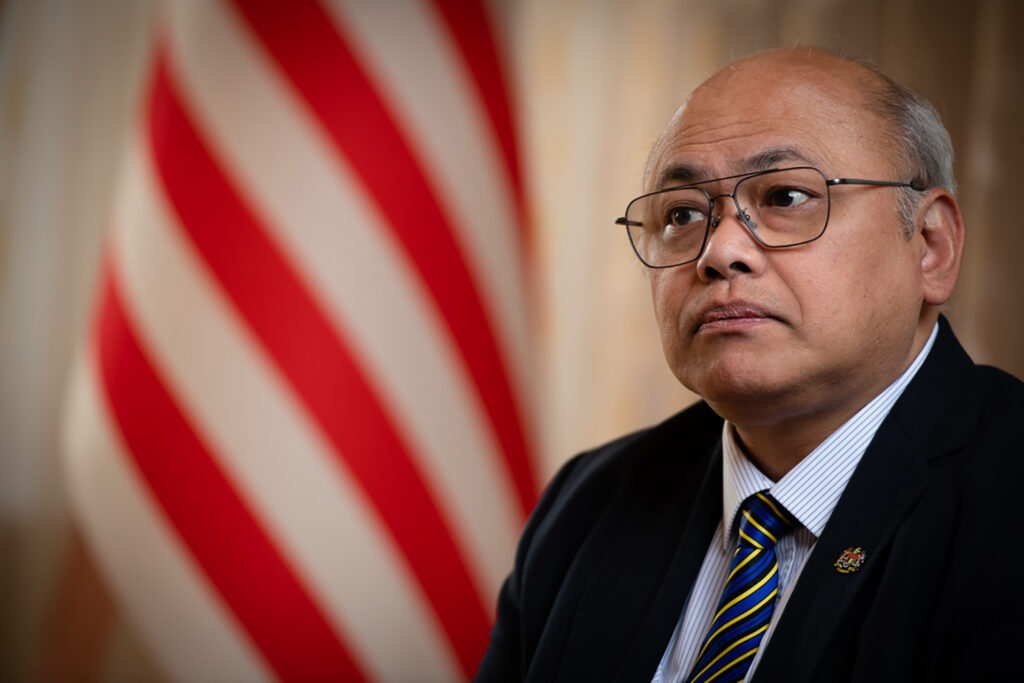
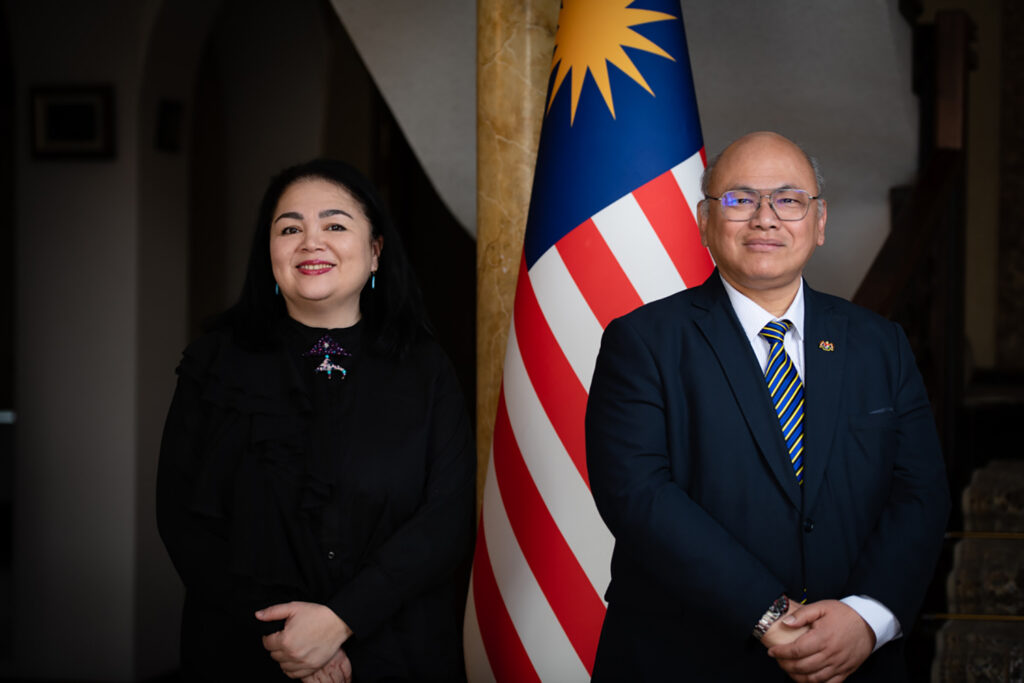
An Exclusive Interview with H.E. Ilham Tuah bin Illias, Ambassador of Malaysia to the Republic of Uzbekistan.
By Barno Ikramova
How can the launch of direct flights reshape the region’s tourism map? Why is the Umrah Plus format emerging as a strategic tool for attracting travelers from Southeast Asia? And how realistic is the target of 100,000 tourists from Malaysia and Indonesia to Uzbekistan in 2026–2027?
In an exclusive conversation with Barno Ikramova, Editor-in-Chief of Travel + Leisure Central Asia, the Ambassador of Malaysia discusses the expansion of air connectivity, the harmonization of halal standards, the development of pilgrimage routes, and the creation of a sustainable model of bilateral tourism between Malaysia and Uzbekistan.
By Ernest Kurtveliyev
TOURISM AND AIR CONNECTIVITY
Last year, more than 15,000 tourists from Uzbekistan visited Malaysia. How do you assess the current dynamics of tourism exchange?
The numbers are at a historic high. The year 2025 has been a “decisive milestone” following the Official Visit of President Shavkat Mirziyoyev to Malaysia in February 2025, where both leaders agreed to intensify cooperation in the fields of tourism and culture, including Islamic tourism to solidify this growth.
To what extent did improved air connectivity contribute to this growth? It is the primary catalyst.
Through “aviation diplomacy” via our active engagements between the Embassy and Uzbekistan Airways, AirAsia and Batik Air to expand direct connectivity to and from Central Asia, through good campaigns and great offers.
Do you see potential for further increasing direct flights and expanding the route network?
Definitely. Expanding direct air connectivity is one of the essential steps in our roadmap for the Visit Malaysia 2026 (VM2026) campaign. We are working around the clock to ensure that Central Asian travelers, in particular from Uzbekistan have seamless access to multiple Malaysian hubs.
Which destinations in Malaysia are currently most attractive to tourists from Uzbekistan?
While Kuala Lumpur and our beaches remain favorites, we are now highlighting our multicultural heritage and world-class healthcare travel facilities. We also wish to further promote “Islamic tourism routes” which resonate deeply with the Uzbek travelers’ values.
Which regions of Uzbekistan are most interesting for Malaysian travelers?
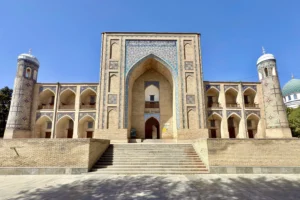
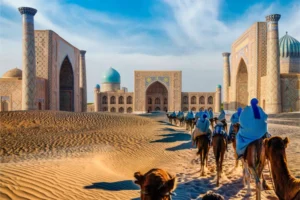
Samarkand continues to be the crown jewel and most popular destination, alongside Bukhara and Khiva. In June 2025, Malaysia’s Deputy Prime Minister, Fadillah bin Yusof, paid a working visit to Samarkand, where he delivered a keynote address at the United Nations Public Service Forum.This further cementing Samarkand’s status as a top-tier destination for Malaysian officials and tourists alike. After Eid beginning this coming April 2026, there are already delegations from various ministries and agencies from Malaysia that will be coming to Samarkand.
In 2026–2027, the goal is 100,000 tourists from Malaysia and Indonesia for Ziyarat tourism. How realistic is this?
With the current momentum, it is very realistic. The 2025 engagements have shown both commitment of Malaysia and Uzbekistan in sincerity and shared purpose, creating the necessary institutional bridges to support such a large influx. Also, I am of the view that Uzbekistan should continue its good efforts beyond Malaysia and Indonesia. Through the assistance from embassies of both countries, promotional activities could be done to attract other tourists from the remaining 9 ASEAN Member States and vice versa.
The launch of new tourist routes is planned, including Kuala Lumpur – Samarkand – Kuala Lumpur and combined routes via Jeddah (Umrah Plus). How do you assess their potential?
The potential is immense because these routes address the specific spiritual and travel preferences of the Southeast Asian market. The Kuala Lumpur–Samarkand route is a strategic game-changer that allows travellers to bypass lengthy layovers, making Uzbekistan’s historical “Golden Triangle” significantly more accessible. Furthermore, the “Umrah Plus” model—which combines the pilgrimage to Mecca and Medina with a visit to the cradle of Islamic scholars in Samarkand and Bukhara, I must say is a really great package. It transforms a traditional religious trip into a holistic, kind of like the “Soul of Islam” journey, a format that resonates deeply with the Malaysian public.
How important will the expansion of the aircraft fleet and the attraction of additional aircraft for servicing the program be in increasing tourist flows?
Logistics are the primary enabler of these ambitious goals. Expanding the aircraft fleet is not just about increasing seat capacity; it is about ensuring the reliability and comfort that modern travellers expect. By attracting additional aircraft to service these routes, we can maintain more frequent schedules and keep ticket prices competitive. This is a critical factor in achieving Uzbekistan’s target of 100,000 tourists from Malaysia and Indonesia for Ziyarat tourism by 2026–2027.
Do you see interest from Malaysian states such as Kelantan, Kedah, and Terengganu?
These states are known for their strong adherence to Islamic traditions and are popular for their picturesque beaches and islands. There is substantial and growing interest from these regions. These states represent the heartland of Islamic culture in Malaysia, and their residents have a profound appreciation for the preservation of Islamic history. We often highlight to our people from this region on the newly-restored Imam Bukhari complex and the spiritual significance of Uzbek other heritage sites. The “Ziyarat” concept is a natural fit for these communities.
When is the best time to visit Malaysia? Can the development of routes outside the peak tourist season contribute to creating a more sustainable tourist flow?
Malaysia is a vibrant, year-round destination, but the period from November to March during the Monsoon season is often preferred by those seeking slightly cooler temperatures. Malaysia is also promoting travel outside of traditional peak seasons to create a more sustainable and balanced tourist flow. By developing routes and packages during “off-peak” season, we can offer travellers more tranquil experiences, ensuring that our tourism infrastructure remains robust and utilized throughout the entire year. There are lots of interesting places and activities that we offer throughout the year in this special Visit Malaysia Year 2026.
PILGRIMAGE AND HALAL TOURISM
You have noted the interest of Malaysian citizens in the Mausoleum of Imam Bukhari in Samarkand. How do you assess the potential of pilgrimage tourism between our countries?
The potential is essentially limitless because it is built on a foundation of “genuine friendship and shared spiritual values”. For Malaysians, Imam Bukhari is a revered figure, and visiting his final resting place is often viewed as a once-in-a-lifetime spiritual homecoming. This interest is a key pillar we use to work with local travel operators to turn this spiritual interest into sustainable, high-frequency travel routes.
The restoration of the Imam Bukhari complex is completed in March 2025. Is it possible to establish sustainable Malaysia–Uzbekistan tourist routes?
This question resonates well with the previous one. The completion of the Imam Bukhari complex is a cornerstone for building long-term, sustainable tourism. This site is not just a landmark but also a “spiritual homecoming” for Malaysians, who hold Imam Bukhari in the highest reverence. Although it might not be a specific period in the calendar that Malaysians would mostly visit, I am confident that there will be a year-round flow of visitors from Malaysians.
The “Umrah Plus” program provides for combining pilgrimage to Mecca and Medina with visits to Samarkand and Bukhara. How attractive could this format be for Malaysian tourists?
The “Umrah Plus” format introduced is a promising and attractive tourism product. Many Malaysians perform Umrah multiple times throughout their lives; offering them the opportunity to extend their journey to the “cradle of Islamic scholars” in Samarkand and Bukhara adds immense spiritual and historical value to their trip.
The Department of Islamic Development Malaysia has signed a MoU with the Uzbek side in the field of halal certification. What steps are planned for the practical implementation of halal certification cooperation, and how important is the mutual recognition of halal certificates for the tourism industry?
Practical implementation has moved beyond dialogue into a technical and industrial phase following the Official Visit of President Shavkat Mirziyoyev to Malaysia in February 2025. Key steps include:
• Standard Harmonization: We are facilitating active technical cooperation between JAKIM (Malaysia’s halal authority), SIRIM, and their Uzbek counterparts to achieve international standard harmonization and mutual recognition of certificates.
• Institutional Exchange: Following the President’s visit, parallel business engagements were launched to focus on Halal logistics and the digital economy to streamline the movement of certified goods.
• Technical Research: The Malaysian Palm Oil Council (MPOC) is currently engaged with Uzbek research institutions to integrate Malaysian halal-certified raw materials into local production chains.
• Training & Awareness: We are conducting Halal logistics awareness campaigns to educate local providers on maintaining the integrity of the halal supply chain from farm to table.
Can cooperation in halal standards contribute to the development of halal hospitality and the celebration of religious holidays?
Indeed. Cooperation in halal standards is the bedrock of a robust Muslim-Friendly Tourism (MFT) ecosystem.
• Consumer Confidence: When halal standards are unified and transparent, it removes any hesitation for Malaysian and Indonesian travelers, especially during major religious celebrations and holidays.
• Hospitality Excellence: By sharing Malaysia’s expertise in halal hospitality, Uzbek hotels and restaurants can better cater to the specific needs of Southeast Asian visitors, ensuring that prayer facilities, dietary requirements, and services are consistently world-class.
• Cultural Integration: This cooperation allows for the seamless celebration of religious holidays, as travelers can be assured that the “halal” experience in Samarkand or Bukhara meets the same rigorous standards they expect at home in Malaysia
HALAL INDUSTRY AND STRATEGIC INTERACTION
What practical steps followed the signed memorandum in the field of halal certification?
Following President Mirziyoyev’s visit, we launched parallel business engagements focusing on halal logistics and agri-based collaboration. We also have active technical cooperation involving the Malaysian Palm Oil Council (MPOC) and Uzbek research institutions to integrate halal-certified Malaysian products into the local market.
Can the development of halal hospitality in Uzbekistan increase the confidence of tourists from Malaysia?
Confidence is the most critical factor for any traveller, particularly for those with specific religious and dietary requirements. When a destination invests in halal hospitality, it ensures that “halal” carries the same standard of integrity in cities like Samarkand and Bukhara as it does in Kuala Lumpur. The presence of certified halal food, dedicated prayer facilities, and a deep understanding of Muslim-friendly services allows Malaysian travellers to feel entirely at home while exploring Uzbekistan’s rich heritage. By sharing Malaysia’s global leadership in the halal industry and technical expertise, we aim to help Uzbekistan build an ecosystem where religious requirements are met with world-class hospitality, thereby removing any barriers to travel and significantly increasing tourist confidence.
EDUCATION AND LANGUAGE
What opportunities are available for citizens of Central Asia in Malaysia’s educational hub?
Opportunities are expanding rapidly. Malaysian universities are seeing a surge in interest from Central Asian students. I have personally delivered public lectures on “ASEAN – Experience for Central Asia” at the Tashkent International University of Financial Management (TIFT) and the Diplomat University to encourage more academic and intellectual exchanges between scholars and students.
MEDICAL TOURISM AND STRATEGIC OUTLOOK
Malaysia has a well-developed medical tourism system. How do you assess the potential for deepening cooperation?
The potential for deepening our healthcare partnership is immense and now officially formalized. A major milestone was reached during the Official Visit of President Shavkat Mirziyoyev to Malaysia in February 2025, where our nations exchanged a Memorandum of Understanding (MoU) on Health and Forensic Sciences. This provides the essential legal and institutional framework needed to bridge our healthcare sectors. Malaysia’s world-class facilities in cardiology, oncology, and fertility treatments (IVF) are ideally suited to complement Uzbekistan’s ongoing healthcare modernization efforts.
Which formats of cooperation do you consider most promising?
I see three primary avenues for immediate growth:
• Specialized Patient Referrals: Establishing structured pathways for Uzbek patients to access advanced treatments in Malaysia that may not yet be widely available locally.
• Capacity Building: Leveraging the Malaysian Technical Cooperation Programme (MTCP) and university partnerships to provide specialized training for Uzbek healthcare professionals and forensic experts.
• Institutional Exchange: Facilitating direct B2B linkages between Malaysian private healthcare providers and Uzbek medical institutions to share best practices in hospital management and medical technology.
Is the establishment of joint clinics in Uzbekistan being considered?
Yes, this is a distinct possibility now that the institutional foundations are in place. The MoU on Health signed in early 2025 encourages private sector investment and joint ventures. We are seeing interest from Malaysian healthcare groups in exploring diagnostic centers or specialized clinics in Uzbekistan, bringing Malaysian expertise in “Muslim-Friendly” clinical environments directly to the local population.
Do you see potential for combining pilgrimage, cultural, and medical tourism?
Yes. For example, an Uzbek family could perform a spiritual journey to Malaysia’s iconic mosques, enjoy a relaxing beach holiday, and simultaneously undergo comprehensive health screenings or specialized treatments in Kuala Lumpur. This model maximizes the value of the trip and allows travellers to address their physical, spiritual, and leisure needs in a single, seamless itinerary.
Which key priorities in the field of tourism do you consider decisive for 2026–2027?
I am of the view that the focus is on creating a sustainable and interconnected tourism ecosystem:
• Visit Malaysia 2026 (VM2026): Using 2025 as a launchpad to position Malaysia as the top-of-mind destination for Central Asian travellers.
• ASEAN Chairmanship 2025: Leveraging Malaysia’s successful Chairmanship of ASEAN to promote regional integration and “ASEAN-Central Asia” travel corridors.
• Halal Standard Harmonization: Ensuring that “Halal” and “Muslim-Friendly Tourism” standards are mutually recognized between our countries to boost traveler confidence.
• Direct Connectivity: Successfully establishing more direct routes, such as Kuala Lumpur–Samarkand, which is critical for achieving our target of 100,000 visitors from the region.
By Ernest Kurtveliyev
PERSONAL REFLECTIONS
Which places in Malaysia would you recommend first-time visitors to see?
For a first-time visitor, I always recommend the “Triple Experience” that balances modernity, history, and nature. Begin in Kuala Lumpur to witness our urban luxury and the iconic Petronas Twin Towers. I also strongly urge a visit to the historic city of Malacca, a UNESCO World Heritage site that serves as the heart of the Dunia Melayu Dunia Islam (DMDI) initiative. This initiative highlights the deep-rooted connections within the Malay and Islamic worlds, showcasing Malacca’s pivotal role in Islamic history and its enduring influence on Malay culture and identity. Finally, escape to the pristine beaches of Langkawi or Redang for world-class relaxation. This combination perfectly captures the “Malaysia Truly Asia” essence by merging spiritual heritage with modern advancement.
Do you have a favourite region or city in Malaysia that you return to again and again?
My personal favourite is Penang. It is widely considered the food capital of the world, and for good reason. Walking through the streets of George Town, which is a UNESCO World Heritage site, feels like walking through a living museum. The seamless blend of colonial history, vibrant street art, and the irresistible aroma of authentic Malaysian street food is something I find myself returning to every chance I get.
In your view, what best reflects the spirit of Malaysia?
The spirit of Malaysia is best reflected in our cultural diversity and harmony, which is encapsulated in the “Malaysia MADANI” concept. It is the unique way we celebrate various religious holidays—like Eid, Diwali, and Chinese New Year—as one united people. This spirit of inclusivity, mutual respect, and compassion is what truly defines us and is the message we carry as we chair ASEAN in 2025.
If you had to name three reasons to visit Malaysia today, what would they be?
If I were to narrow it down to three, they would be:
• Unbeatable Hospitality: In Malaysia, we treat every guest like family, ensuring a “home away from home” experience.
• Exceptional Value: Whether it is for high-end medical treatments or luxury tourism, Malaysia offers world-class quality at very accessible prices.
• Gastronomic Diversity: Our food is a delicious reflection of our multicultural history; you can enjoy a different world-class cuisine every day and still have more to discover.