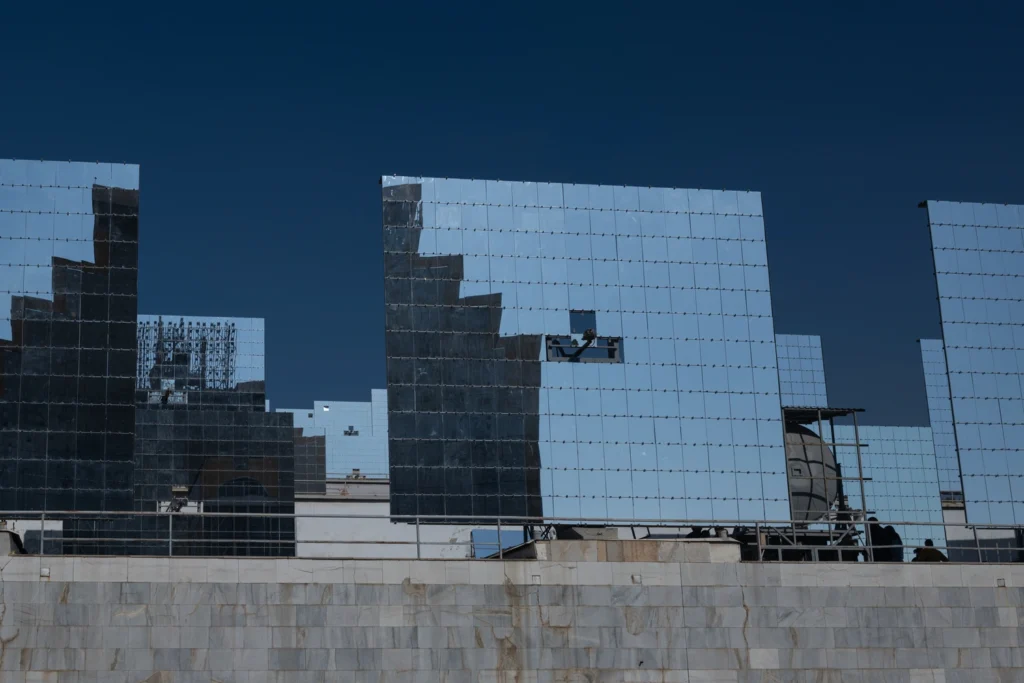
It is at once a research laboratory, a piece of futuristic architecture, and one of the most unusual stops on the travel map. There are only two such facilities in the world: one in Parkent, Uzbekistan, and the other in Odeillo, France. Both are regarded as icons of solar engineering.
Known locally as “Quyosh”
The complex is most commonly referred to as the Sun Institute – simpler and more memorable than its official name, the Physical-Technical Institute of the SPA “Physics–Sun” of the Academy of Sciences of Uzbekistan. Official titles tend to fade easily; vernacular names endure. Ask locals for directions and they’ll likely respond with a question of their own: “Quyosh?” – “The Sun?” It is both the name of the settlement and the clearest landmark for the journey.
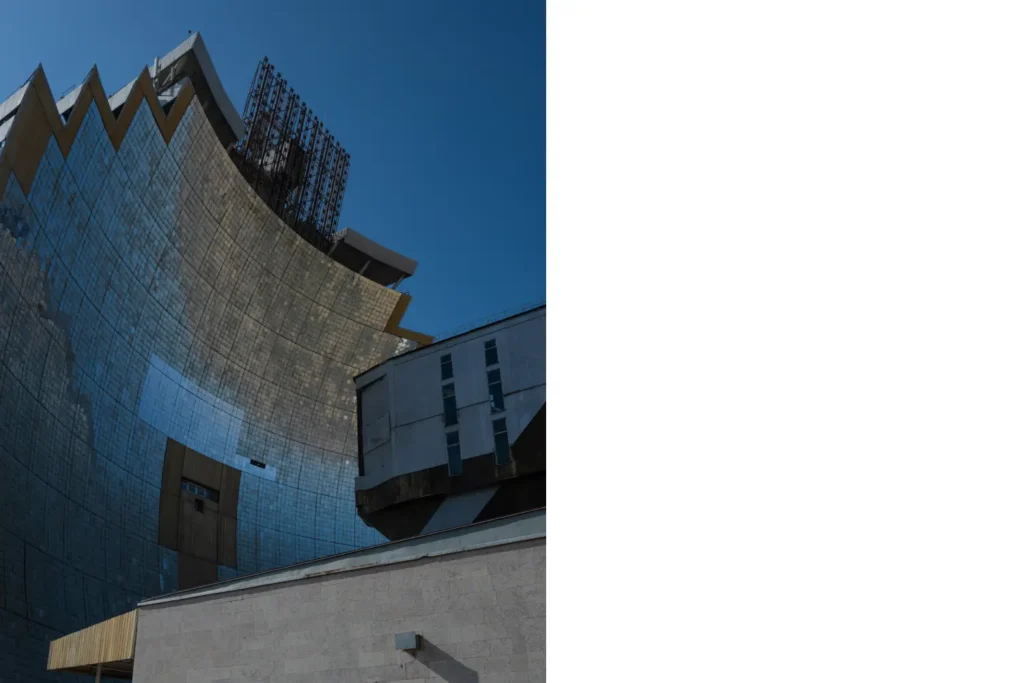
Photo: Genrikh Erdman
Architecture of light: why it matters to science
The scientific value of the complex lies in its research into materials under ultra-high temperatures, achieved without fuel or polluting emissions. Here, sunlight itself is transformed into a controlled source of energy.
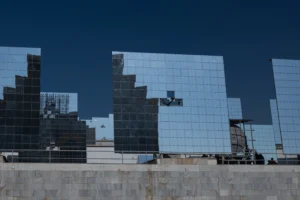
At the heart of the heliocomplex is a large solar furnace, built between 1981 and 1987 and commissioned in 1987. Its scale and “geometry” are striking. A field of 62 heliostats and numerous mirror segments concentrate solar rays into a single, powerful beam, creating heating regimes required to test refractory alloys, ceramics, and advanced materials. At its focal point, the installation can generate thermal power of up to 1 megawatt and temperatures approaching 3,000°C – relying solely on the power of light.
The foothill location plays an important role as well: clean air and a high number of sunny days (around 250–270 per year) allow for stable and precise solar concentration.
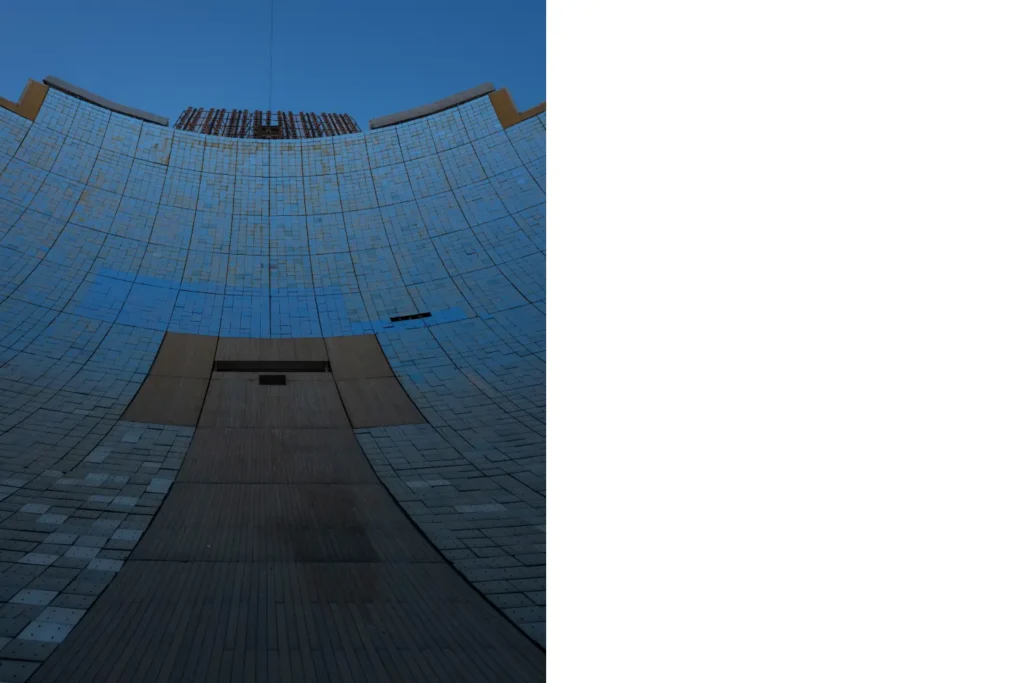
Photo: Genrikh Erdman
Why travelers should visit
From a tourism perspective, the Sun Institute feels almost otherworldly: a mirrored amphitheater, a colossal concentrator, and the sense of stepping onto the set of a science-fiction film. It is a rare kind of experience—neither a museum nor pristine nature, but scientific infrastructure that reads like a monumental art installation. And it’s all just an hour from Tashkent.
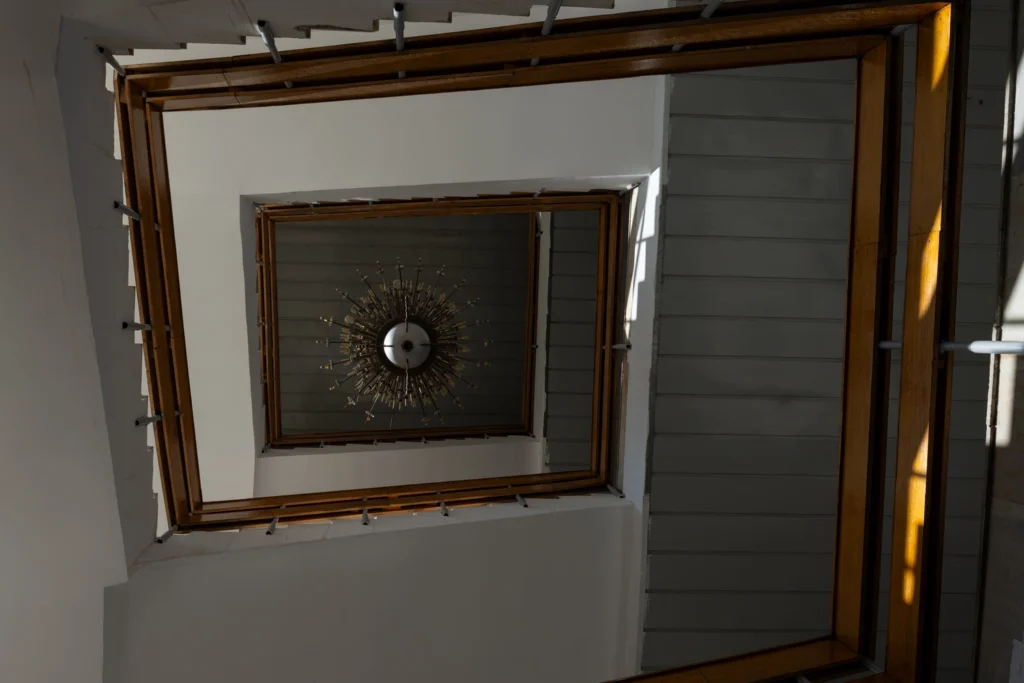
Photo: Genrikh Erdman
How to get there and access the site
The Institute is located about 45 kilometers from Tashkent, in the Parkent district near the settlement of Quyosh. You can join an organized excursion by minibus or drive there by car or taxi and arrange a guided visit on site. Plan your trip for a clear day: the complex truly comes alive when the sun is active and the mirrors operate at full capacity.
A one-day route idea
- Morning: departure from Tashkent → the Sun Institute (tour of the complex).
- Afterwards: continue easily with local gastronomy – for example, a wine-themed visit, as the region is home to wineries and tasting venues. Parkent is also famous for its samsa, distinct in both shape (square) and filling (herbs).
- For even more dramatic scenery, many routes combine a Parkent visit with natural landscapes in the Chimgan–Charvak area.
In the end, a trip to Parkent becomes one of the most unusual journeys from Tashkent – especially for travelers who value experiences with both a “wow” impact and meaning.
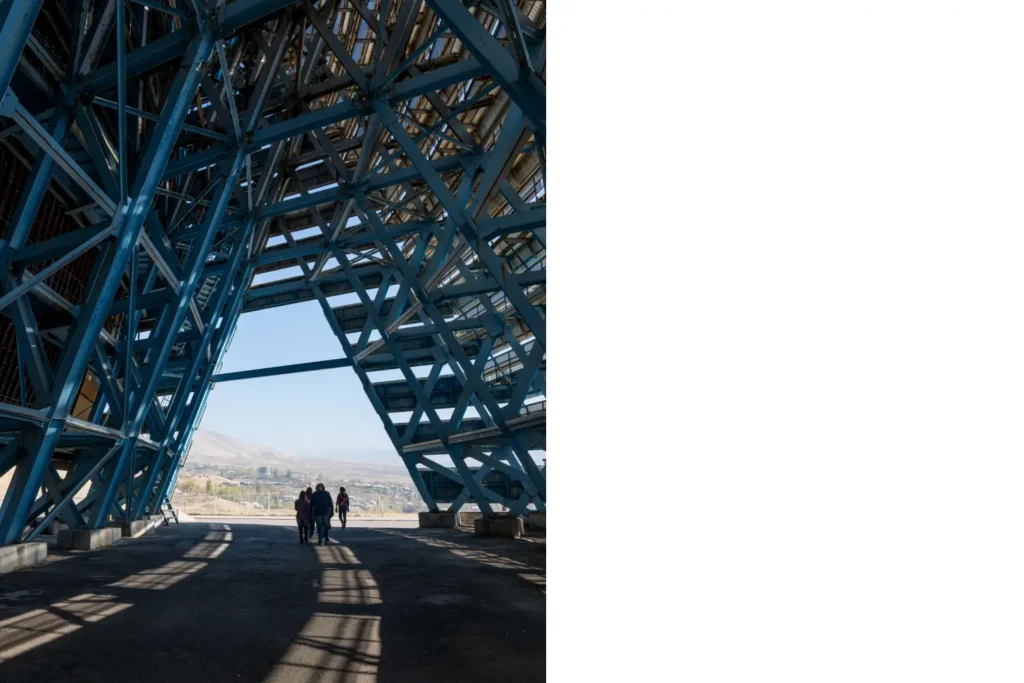
Photo: Genrikh Erdman
- Location: Tashkent Region, Parkent District, near the settlement of Quyosh.
- What you’ll see: an amphitheater of mirrors, a giant concentrator, scientific infrastructure.
- Key impression: striking “wow-architecture” and a sense of proximity to major science.
- Uniqueness: only one comparable facility exists – in Odeillo, France.
The material was published in Travel+Leisure Central Asia magazine (February-March 2026)