This Central Asian country is home to several UNESCO World Heritage Sites that reflect its rich and layered past.
Kunya-Urgench: A Center of Medieval Architecture and Trade
A journey through Turkmenistan is best begun at Kunya-Urgench. Once a thriving medieval hub of political, commercial, and cultural life, here you can still feel the pulse of one of the great medieval centers. Located near the Amu Darya River, the city was known in the Middle Ages as Gurganj, the capital of Khwarazm.
Today, the site preserves an impressive ensemble of minarets, mausoleums, and the remains of fortifications dating from the 11th to the 16th centuries. The most striking landmark is the Kutlug Timur Minaret, rising to nearly 60 meters.
Particular attention should be paid to the Turabek Khanym Mausoleum, renowned for its refined decorative brickwork.
The monuments are spread across an open landscape, allowing visitors to explore each structure at an unhurried pace. The surrounding scenery remains largely untouched by modern development, enhancing the sense of historical continuity.
Merv: An Oasis City with a Four-Thousand-Year History
If Kunya-Urgench tells its story through architecture, Merv unfolds as an epic spanning more than four millennia. Once a major center of trade, scholarship, and culture, Merv played a crucial role in the history of the region.
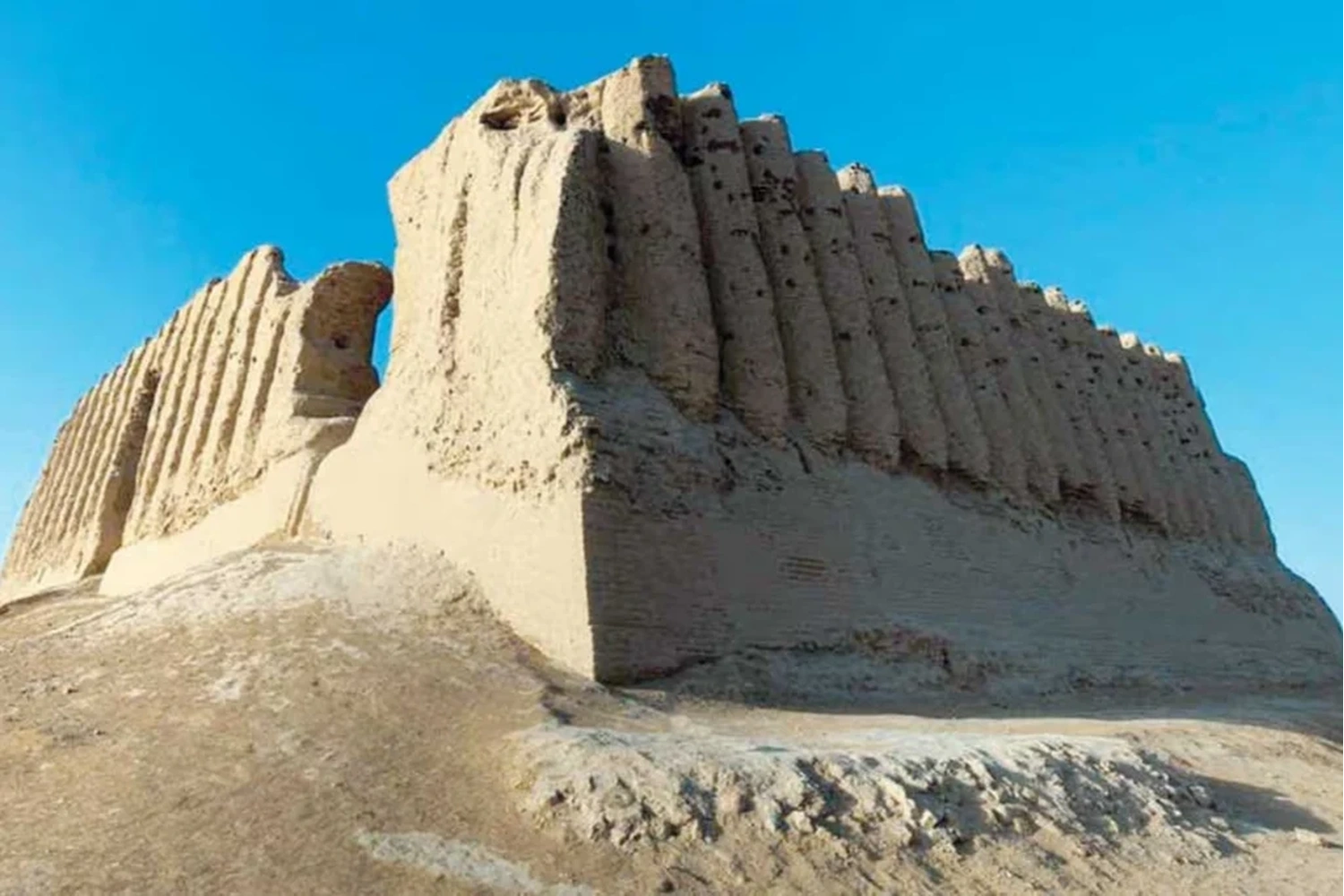
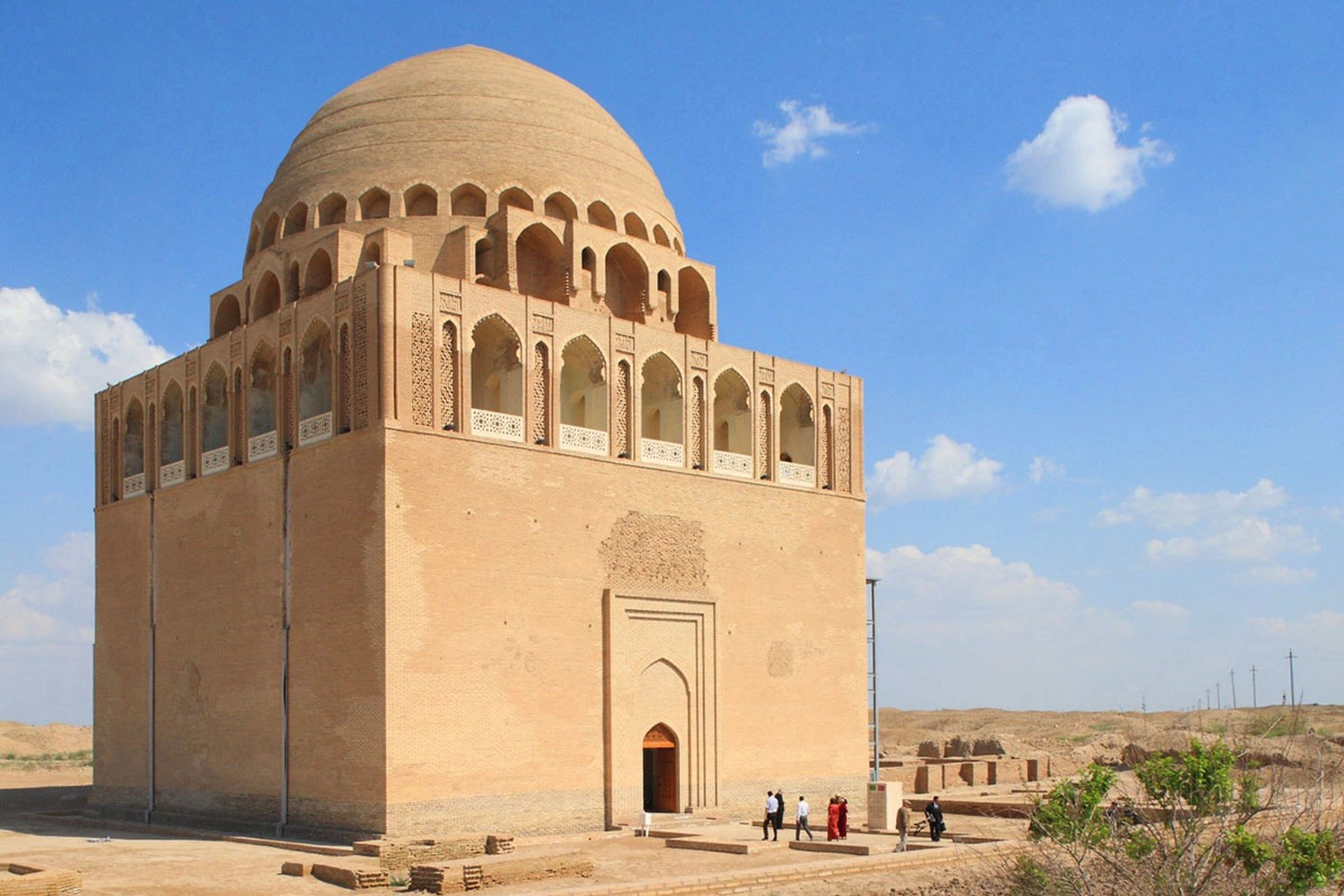
Today, it stands as a vast archaeological park. The Sultan Sanjar Mausoleum and the remnants of ancient city walls still dominate the landscape. Each brick seems to preserve the memory of generations who lived, traded, and built here.
Walking along Merv’s ancient streets, it is easy to imagine a time when the city ranked among the most important urban centers of its age. Its scale becomes especially striking at sunset.
Nisa: A Testament to the Power of the Parthian Empire
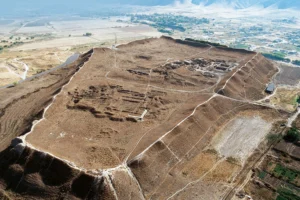
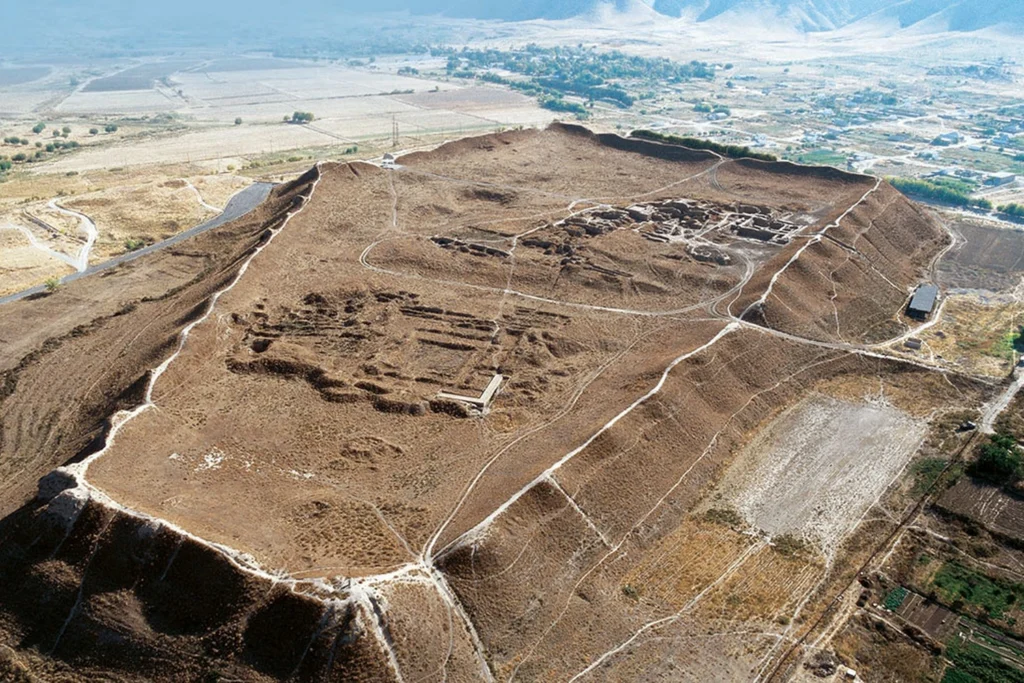
Finally, visit the Parthian fortresses of Nisa, a UNESCO site closely associated with the history of the ancient Parthian Empire. Located near modern Ashgabat, the complex consists of Old Nisa and New Nisa, which at different times housed sacred, royal, and administrative buildings.
The surviving ruins preserve traces of both Eastern and Western cultural traditions, along with legends and rituals rooted in antiquity. Exploring Nisa requires careful attention to detail, rewarding visitors with insights into the region’s deep history.
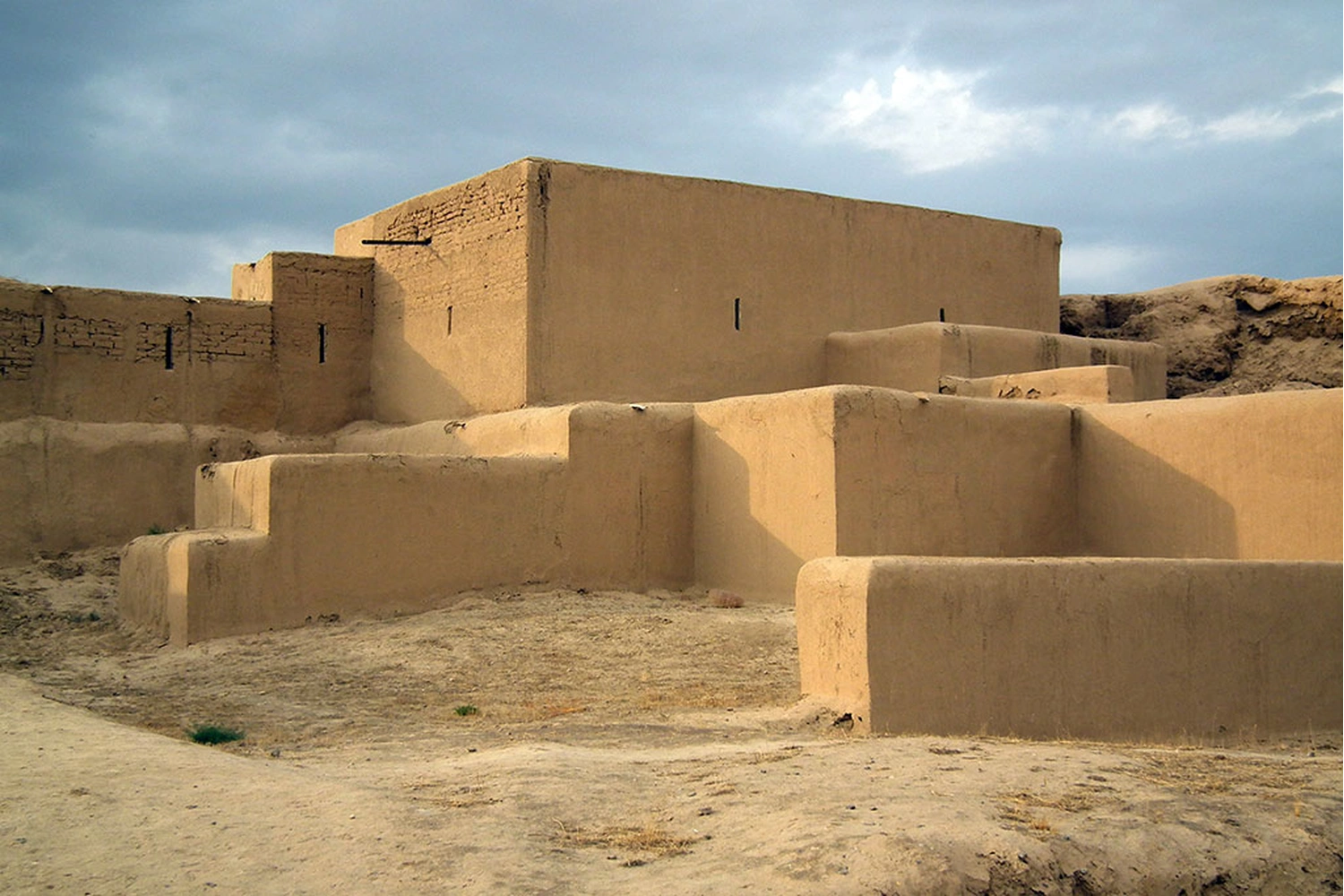
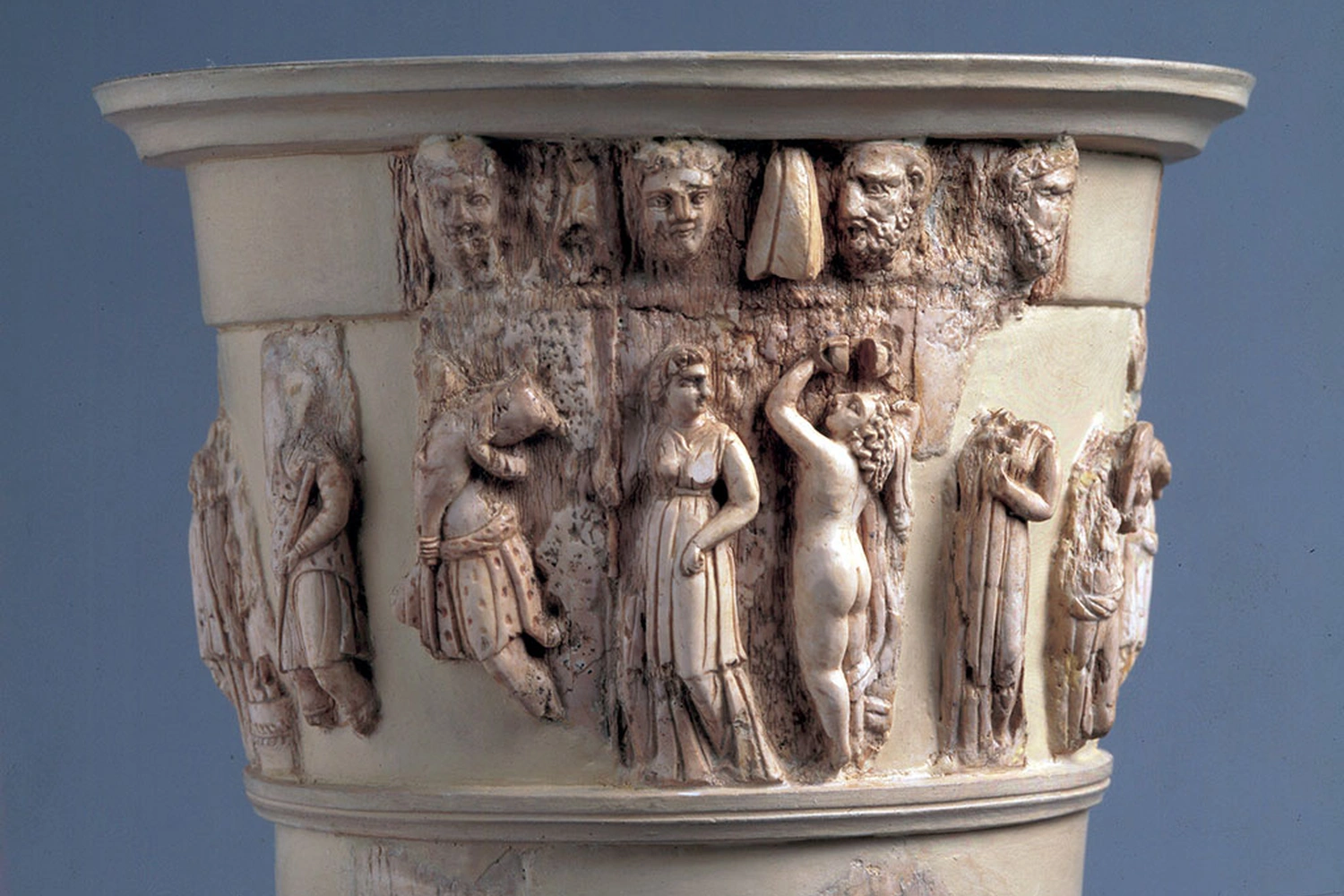
Together, these three sites, Kunya-Urgench, Merv, and Nisa, represent antiquity, the medieval period, and the height of regional power, offering a comprehensive view of Turkmenistan’s historical legacy.