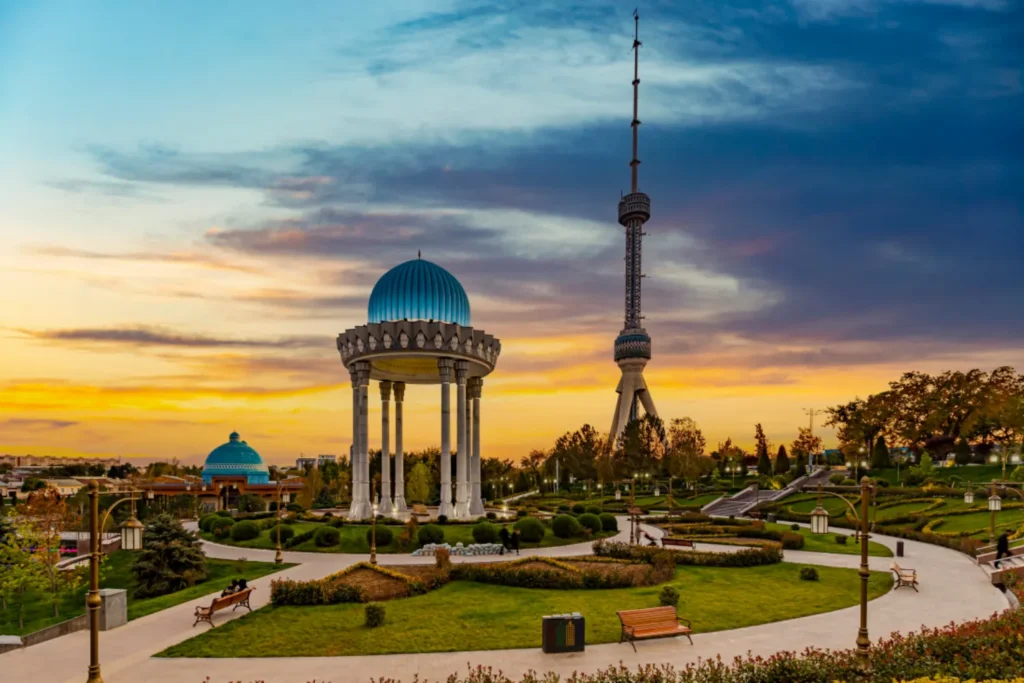
National Geographic Traveler has published a feature report by Polish journalist Paulina Wilk, reports IA Dunyo. It focuses on a journey through Uzbekistan, covering Tashkent, Khiva, Bukhara, and Samarkand.
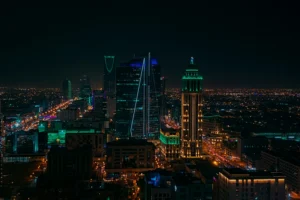
In Tashkent, the author immediately immerses the reader in the atmosphere of the nighttime city. A young, rapidly changing metropolis, Tashkent blends tradition with modernity: old habits coexist with business acumen, and the dust of the steppes meets the glass facades of new buildings. Wilk pays special attention to the Hazrati Imam complex, where ancient sanctuaries stand alongside the Islamic Civilization Center, planned to house a unique Qur’an, listed in UNESCO’s Memory of the World. For the author, this ensemble symbolizes modern Uzbekistan: a country that carefully preserves its heritage while looking toward the future.
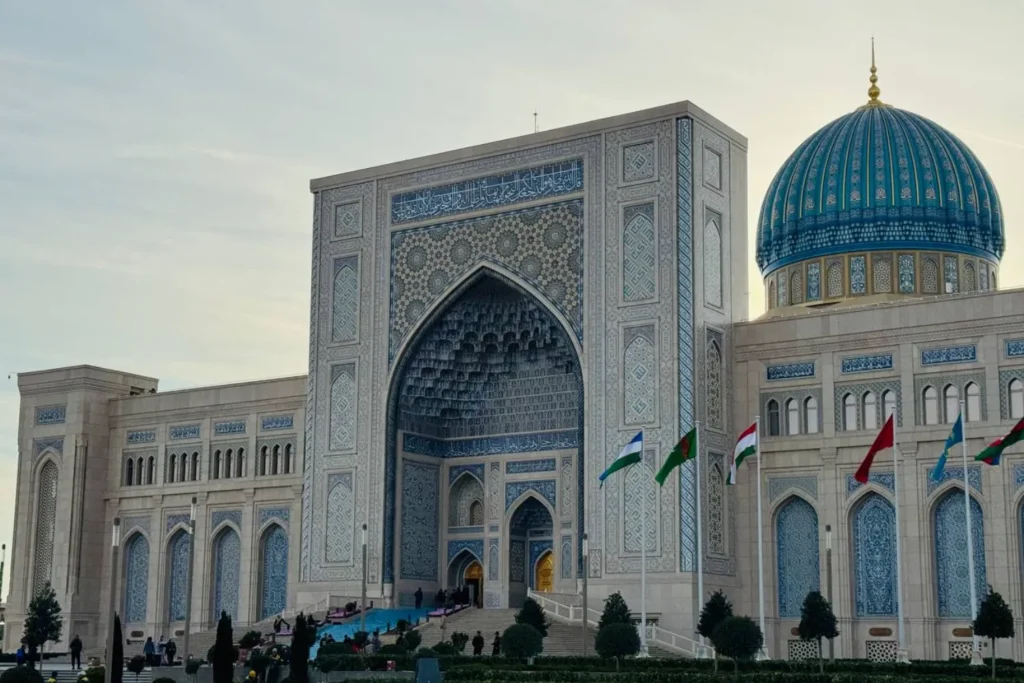
Photo: Uzbekistan Travel
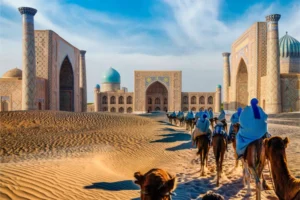
The journey continues aboard the high-speed Afrosiyob train to Samarkand. Here, Shah-i-Zinda and the Registan impress with the grandeur and skill of past architects. Yet the city is alive: family-run restaurants, Siab Bazaar, and evening light shows reveal a vibrant urban life. Wilk compares today’s Registan with a photograph of her mother in 1991, highlighting the magnitude of changes over the past decades.
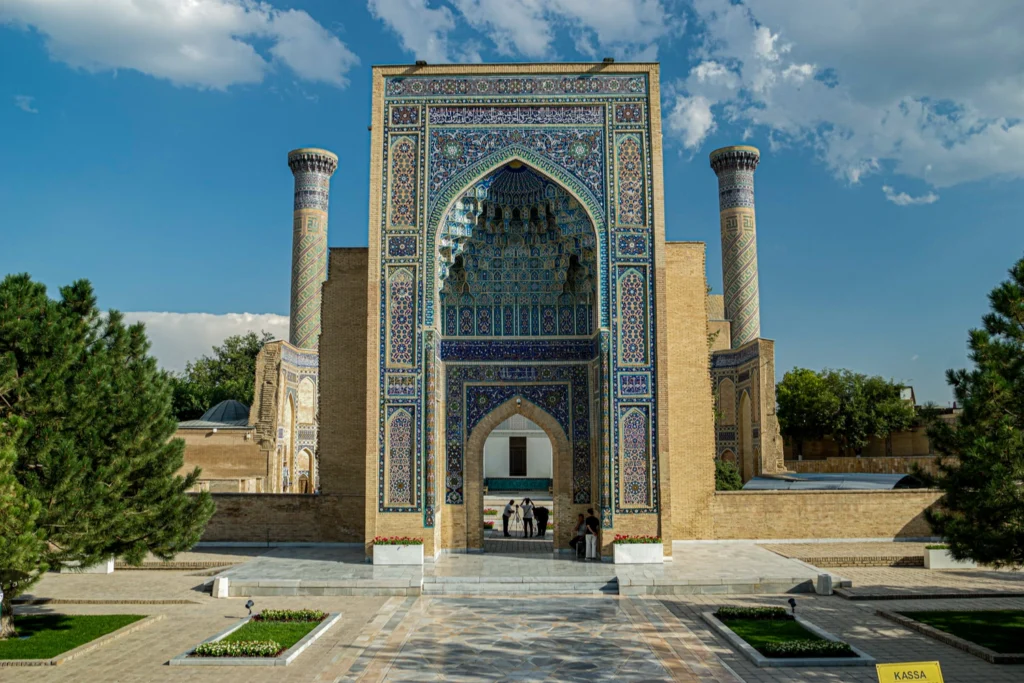
Photo: Uzbekistan Travel
In Bukhara, attention is drawn to the restoration of the old city center and the emerging new districts, locally nicknamed “Dubai quarters.” Paulina describes local crafts, cuisine, and evening music in the courtyards. The city appears deeply rooted in tradition and preserving its cultural heritage.
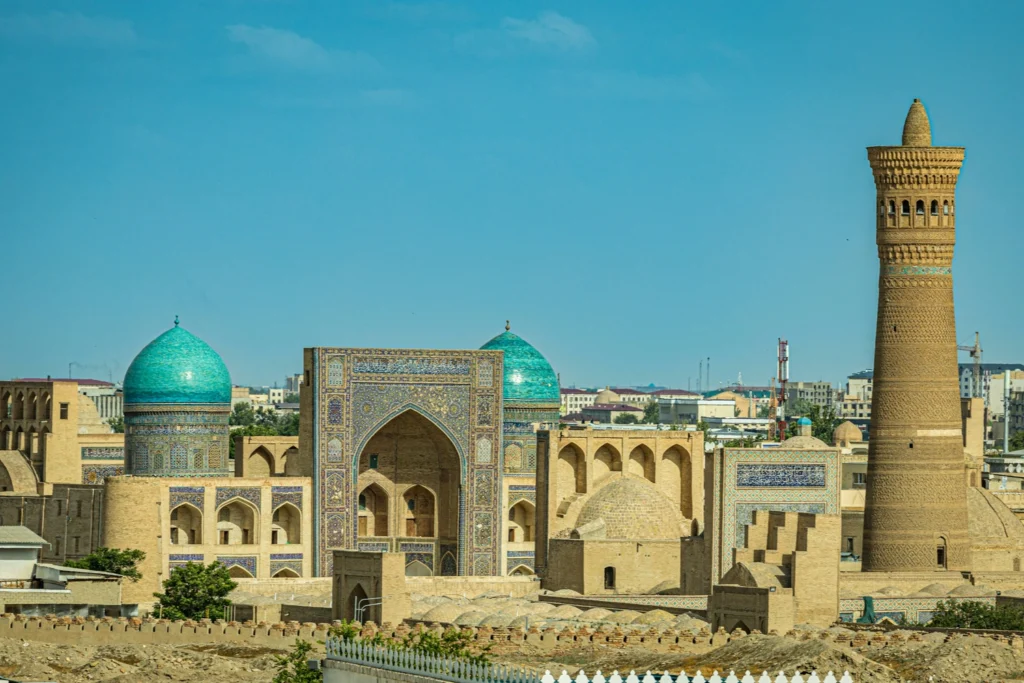
Photo: Sultonbek Ikromov, Unsplash
Khiva seems almost fairy-tale-like. After sunset, the Itchan-Kala fortress shines like a “jewel in the desert.” Clay walls and minarets, accompanied by the morning call of the muezzin, evoke the feeling of ancient gates to Asia.
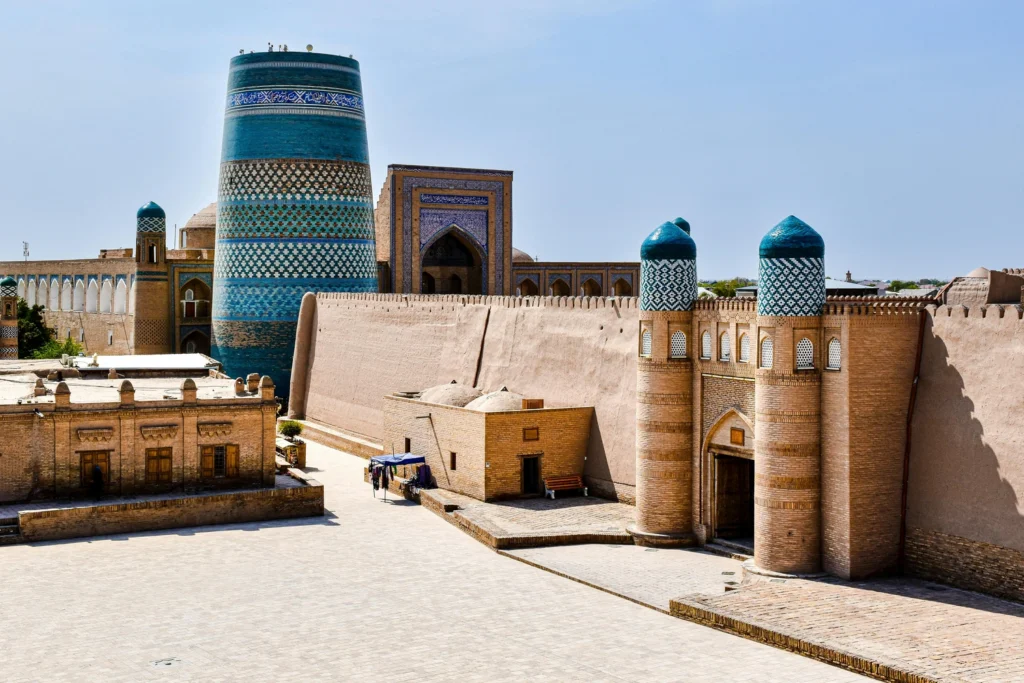
Photo: AXP Photography, Pexels
In the Fergana Valley, the journalist explores local crafts, traditional silk and cotton production, observing the daily lives of artisans.
The trip concludes at Chorsu Bazaar in Tashkent. Here, through smells, tastes, and goods, the historical process of globalization is palpable: marketplaces such as this have connected East and West for centuries. Wilk’s feature report presents Uzbekistan as a country of synthesis: where antiquity and modernity coexist, where the past and present meet at every step.