
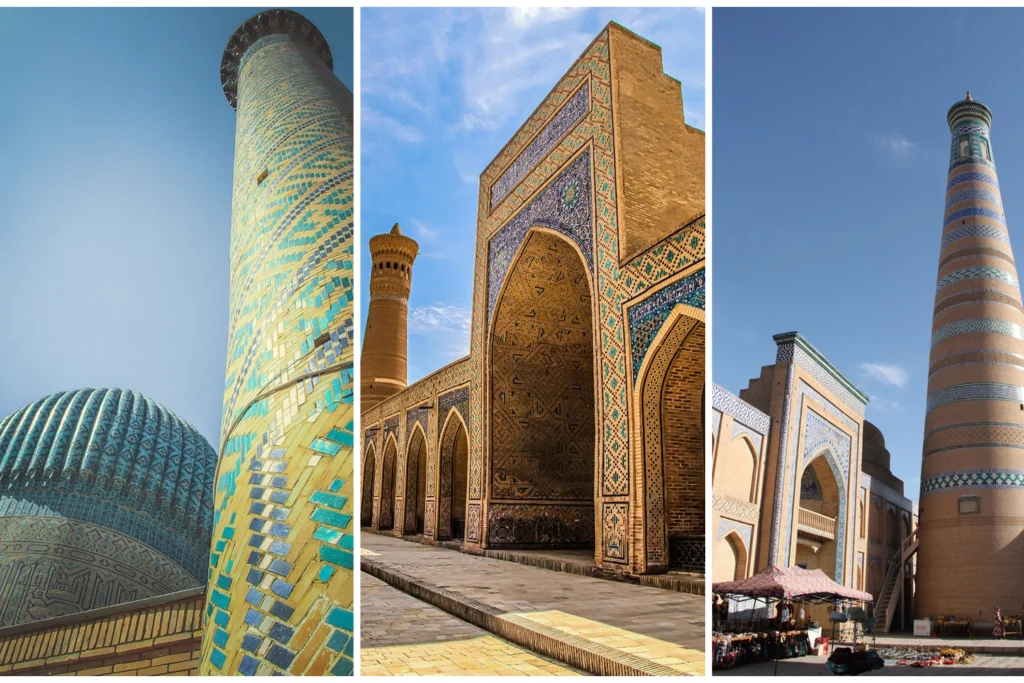
In Samarkand, the Samarkand Heritage Trail project is being launched. It is a 6.6-kilometer pedestrian route. The trail will connect Registan Square, Bibi-Khanym Mosque, Shah-i-Zinda, and the Ulughbek Observatory. Together, they will form a single cultural corridor.
The city will also gain a new Silk Road Museum. The observatory area will be upgraded as well. It will feature modern exhibitions and comfortable public spaces for visitors.
In Bukhara, a large-scale urban development master plan is underway. Its key element will be a historical and ethnographic park. The park will combine cultural venues with modern tourist infrastructure.
Khiva is taking an even more ambitious path. The Ichan-Kala fortress is planned to become a «smart» city-museum. Modern services and augmented reality will be carefully integrated. This will be done without disrupting the daily lives of local residents.
All projects will be implemented in stages. Their shared goal is to renew historic cities while preserving cultural value. This approach allows heritage protection and contemporary use to coexist.