When I set out for Khujand, I didn’t have a fixed plan—just a quiet curiosity about a city that rarely makes it into conventional guidebooks. Off the must-see lists and overshadowed by more popular destinations, Khujand remained something of a mystery. And that’s exactly what drew me in.
What surprised me most was that Khujand isn’t just about architecture or history—it’s the feeling of belonging. Passersby are quick to offer directions, taxi drivers hand you fruits, and smiling vendors at the bazaar share tips on what to eat first. Architecturally, it resembles Tashkent in places, but the energy is entirely different— slower, softer. That’s its quiet magic.
On the map, Khujand is just a dot in northern Tajikistan. But cross the mountain passes and arrive at dawn, and you’ll realize this isn’t just a dot—it’s one of the oldest cities in Central Asia. Said to have been founded in 514 BCE, it remains a cultural, scientific, and economic hub. It’s the country’s second-largest city, the capital of Sughd Province—and yet, it retains the warmth of a town where apricots still dry on neighborhood balconies. The Syr Darya River splits the city in two.
You can fly into Khujand International Airport or take a train—the railway station lies just 12 kilometers from the center in Gafurov. This route has mattered since the Silk Road days, and Khujand still holds its reputation as a strategic gateway to northern Tajikistan. That’s exactly why I came—to experience history blending seamlessly with daily life.
What to See: Khujand’s History and Heritage
I started my route where history quite literally lies underfoot. The Khujand Fortress has stood for over 2,500 years, surviving invasions and centuries. I wandered the surrounding park, picked up a hand-carved jewelry box from a local artisan, and took my time exploring the remnants of gates, walls, and excavated artifacts—the kind of place that urges you to slow down and reflect. You can visit the fortress any time of day ($8).
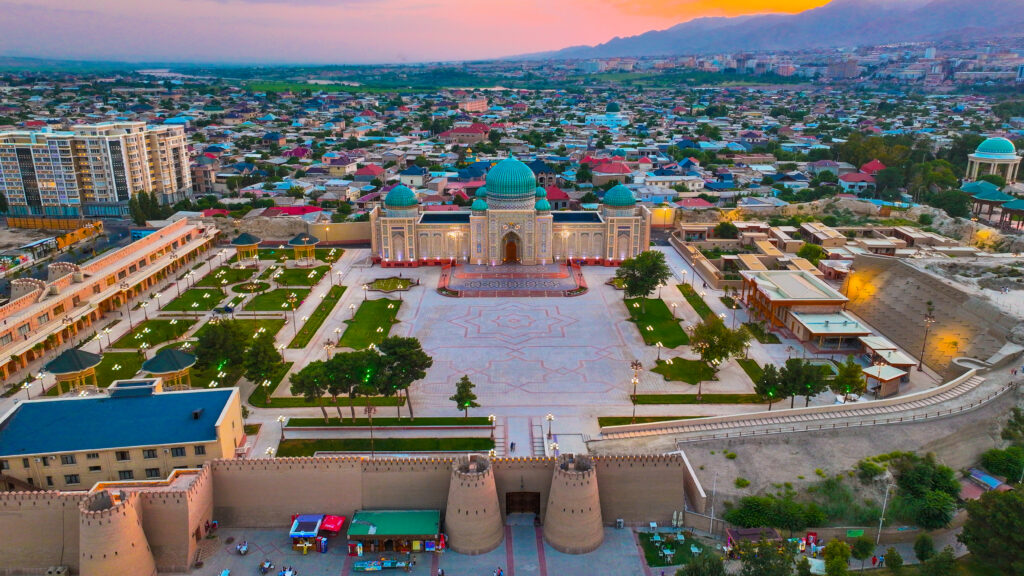
Photo: Didor Sadulloev
Housed in the restored eastern wall is the Historical Museum. Its collection includes 28,000 objects—ceramics, jewelry, coins, manuscripts—but it was the carpets that struck me most. Khujand is home to one of Tajikistan’s largest carpet workshops, Kayrakkum Carpets, which continues the tradition of hand-weaving.
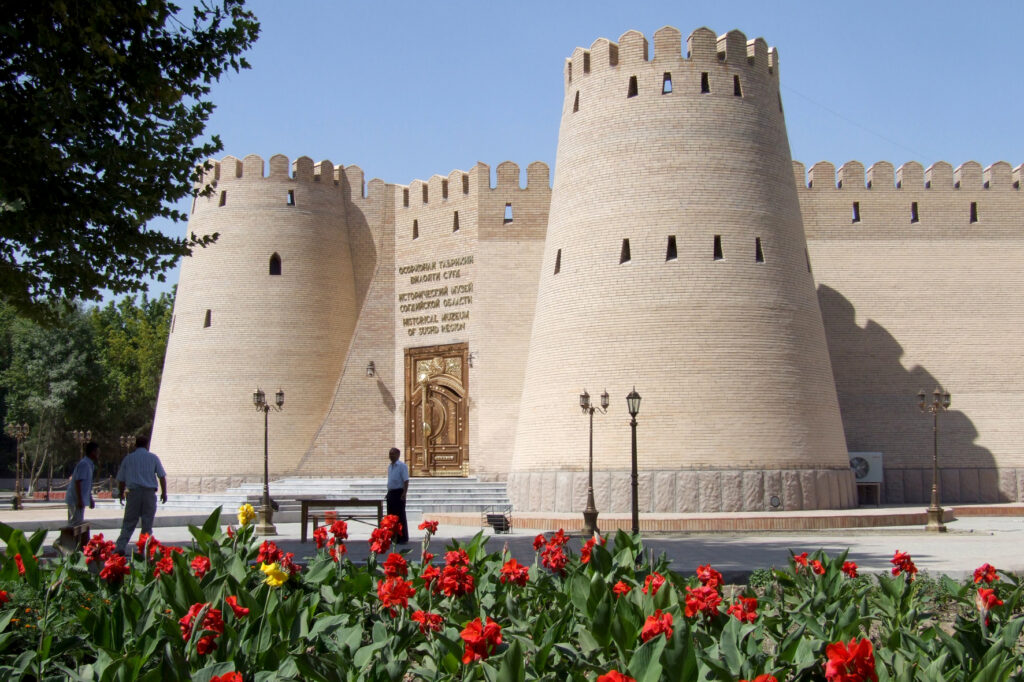
Photo: Bakhtiyor Khasanov
No visit is complete without the Mausoleum of Sheikh Muslihiddin—a poet, ruler, and spiritual leader from the 12th century said to have performed miracles. Originally buried in the village of Undzhi, his remains were later moved to Khujand, where the city built a mausoleum in his honor. Now part of a memorial complex with a mosque and 20-meter minaret, the building has retained much of its medieval architecture despite multiple restorations. I found myself thinking: when memory is cared for, it can live on for centuries.
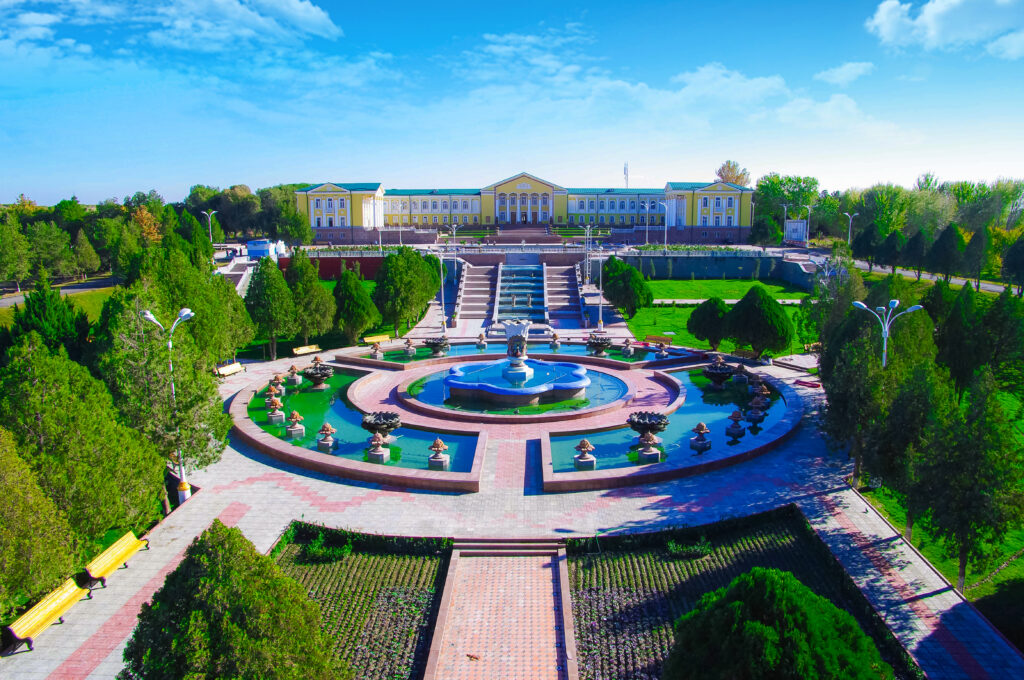
Next, the Palace of Culture “Arbob”— a rare architectural gem built in the 1950s and modeled after the Peterhof Palace near St. Petersburg. Once the heart of a local collective farm administration, it’s now home to an 800-seat theater. High ceilings, stucco details, hand-painted frescoes— every inch handmade, and it shows. The ceilings are signed by the artists, architects, and craftsmen who created them. Upstairs, there’s a museum and amphitheater telling the story of Tajikistan’s postwar history and culture. Outside, manicured gardens, fountains, and rose-lined alleys complete the scene.
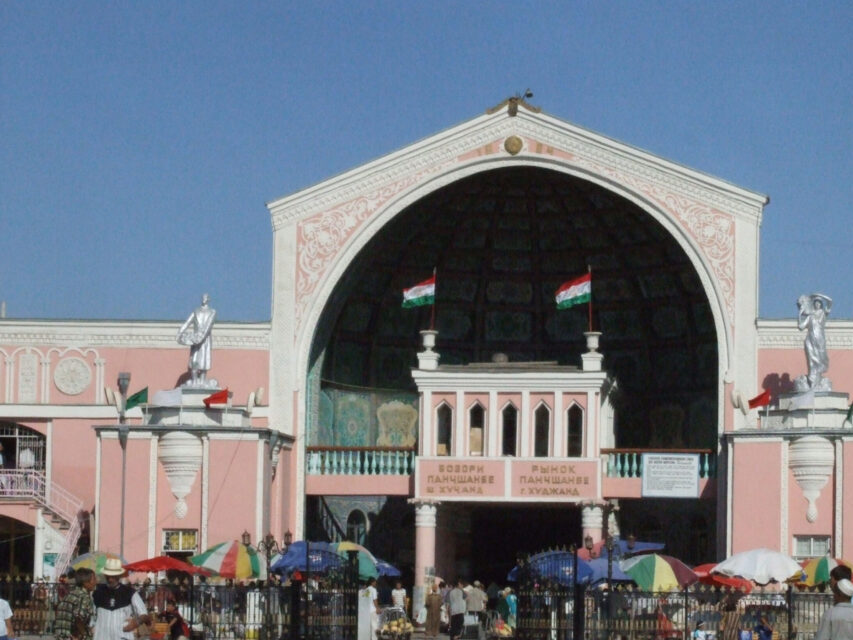
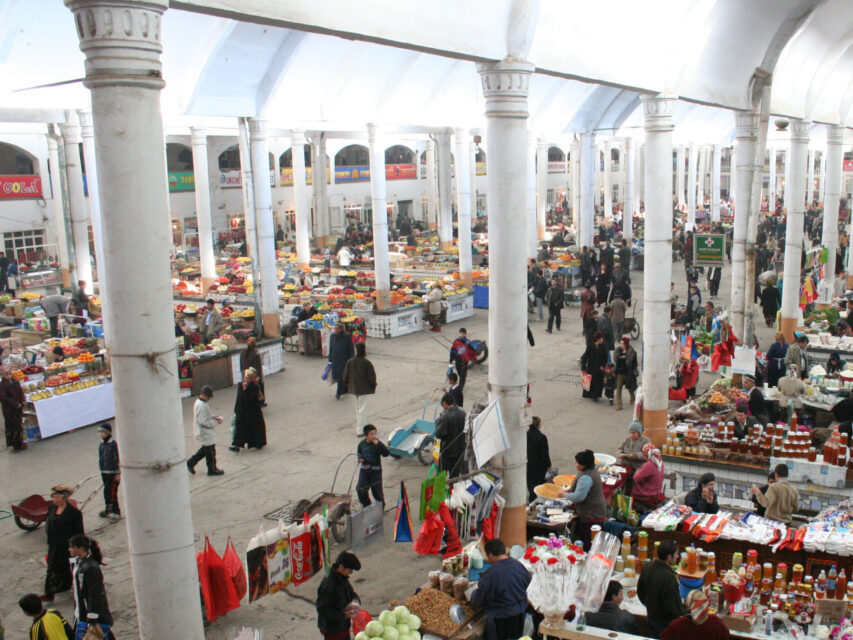
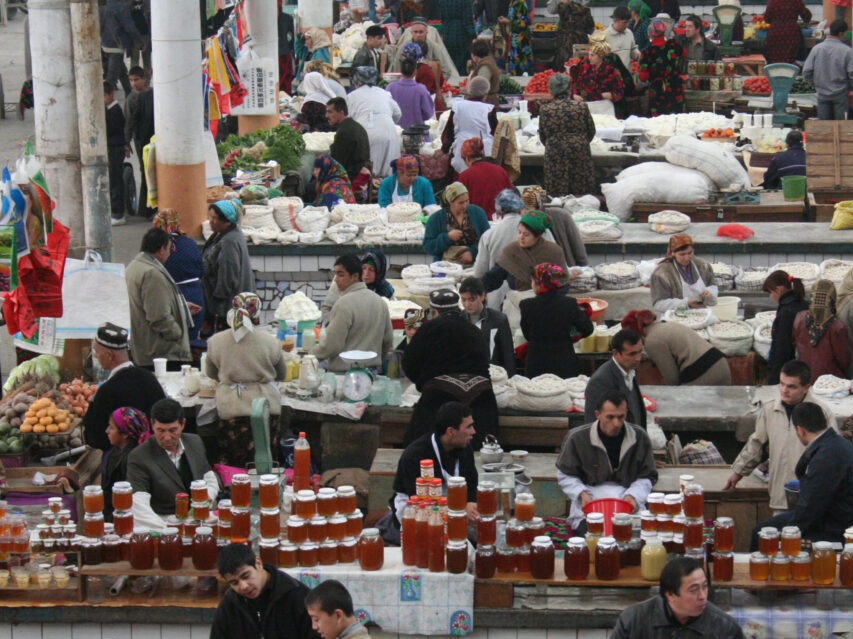
To truly feel the city’s pulse, visit Panjshanbe Bazaar—a covered market alive with the scent of spices, piles of fruit, and the heat of freshly baked flatbread. I haggled in a mix of languages and gestures—all resolved with laughter and smiles. I was offered sweets and fruits. This was the joy of travel—pure and spontaneous.
Excursions and Private Tours in Khujand
If you want to experience Khujand beyond the postcards, opt for a guided city tour. The most popular is the Khujand City Tour, which includes the fortress, museum, bazaar, Arbob Palace, and lunch at a teahouse. Rates start at $140 per person for a group or $290 for a private tour.
For nature lovers, boat rides on the Syr Darya are best in the warmer months. One hour costs around $70.
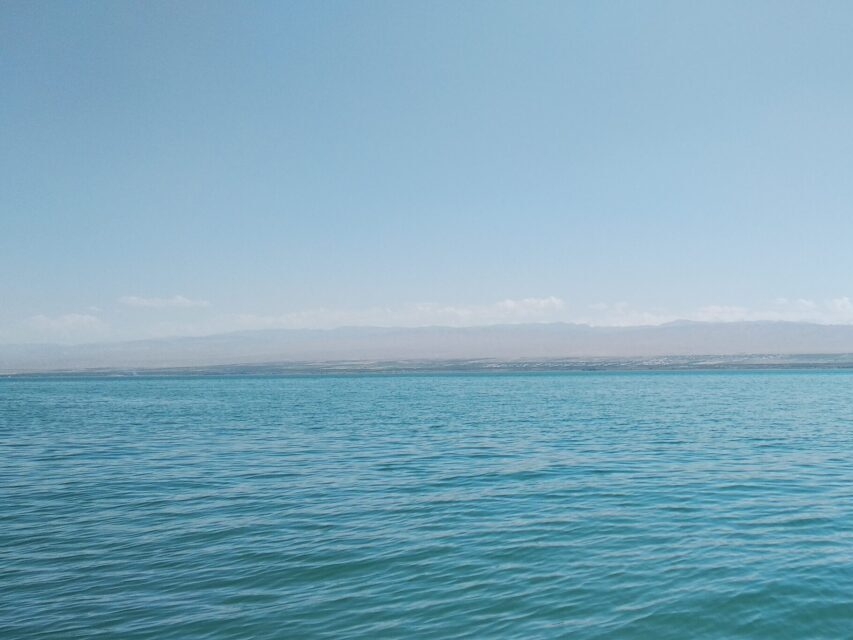
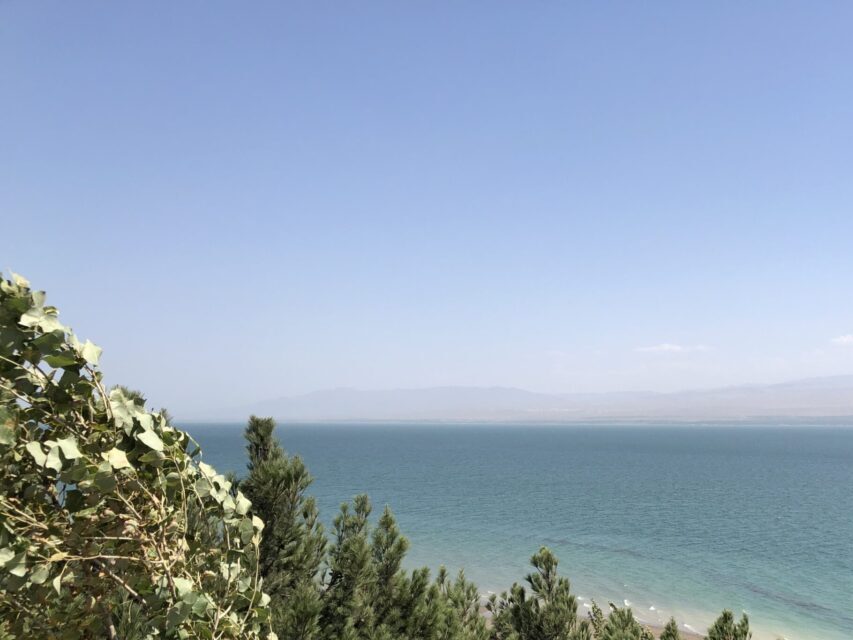
Just 20 kilometers from the city lies the Tajik Sea—still fondly called the Kayrakkum Reservoir by locals. Built in the 1950s, it spans 55 kilometers in length and plunges up to 25 meters deep. Its shores are lined with beaches, resorts, and wellness centers—a favorite retreat not just for locals but also travelers from nearby countries.
I went there too—with friends. We rented a catamaran—half an hour cost about $3.50 per person. Music played as we floated under the sun. Then our motor stalled, and we were towed back by another group.It was unexpected, a little thrilling — but in the best way. Moments like this are what stay with you long after the trip ends.
Where to Eat in Khujand
“Omar Khayyam” is among the city’s best-known restaurants. I went for breakfast—delicate crepes (3 pcs – $1.50) and fluffy syrniki (3 pcs – $3). We returned for dinner, where I was recommended their signature dish: tender beef in puff pastry with mushroom sauce ($9.40). It lived up to the hype. My friends ordered rabbit chakhokhbili ($4.60).
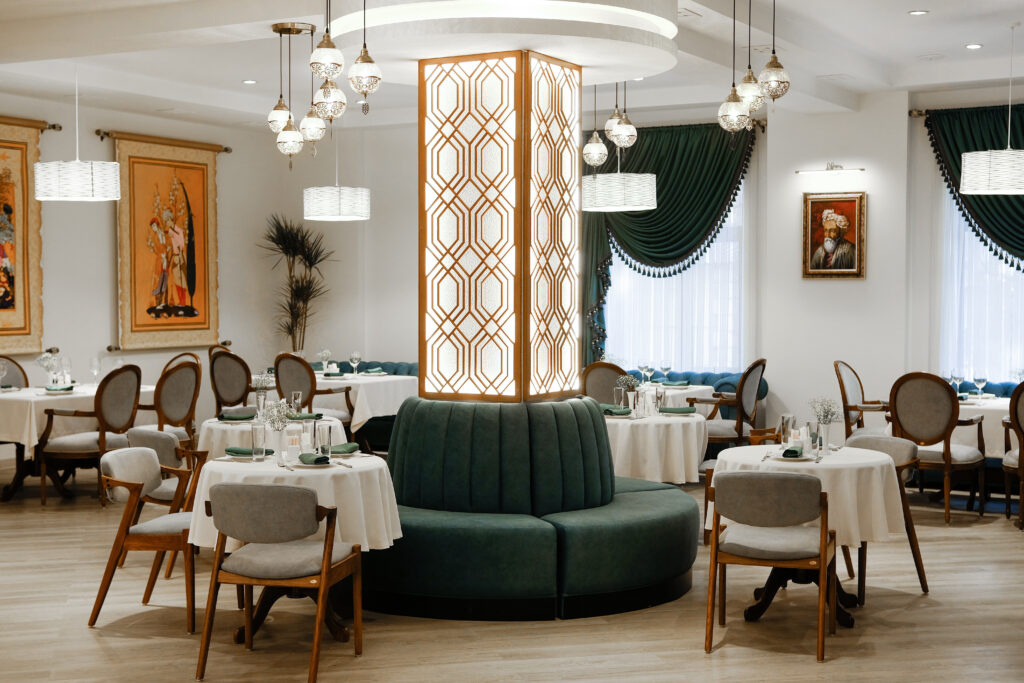
Photo: Djuraboy Djumaev, courtesy of Omar Khayyam Restaurant
The next day, I lunched at Zaytun, a restaurant known for reimagining Tajik cuisine. I had their namesake soup ($1.90)—rich, spicy, finished with olives and cream. The “Sharshara” lamb ribs ($6.50) were juicy and full of flavor.
I stayed for dinner, too. Live music played in Tajik and Russian, and I ordered filet mignon, a Caesar salad with tiger prawns, and several starters. The bill came to 200 somoni ($18). A cozy, welcoming space.
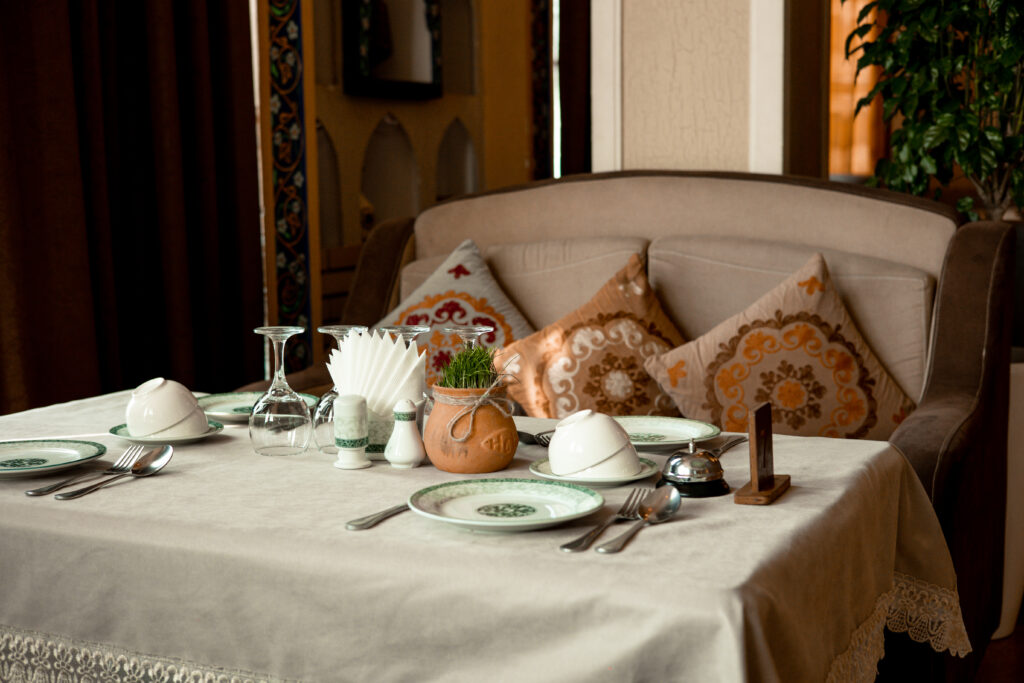
Photo: Khabib Bakhromi, courtesy of Zaytun Restaurant
Where to Stay
When we reached the border, a Tajik driver brought us the rest of the way to Khujand. We didn’t have a place to stay, so we asked for a local recommendation. He helped us arrange a short-term rental through a private owner—basic, unbranded, and affordable at around $20–30 per person per night. Simple and convenient for a quick trip.
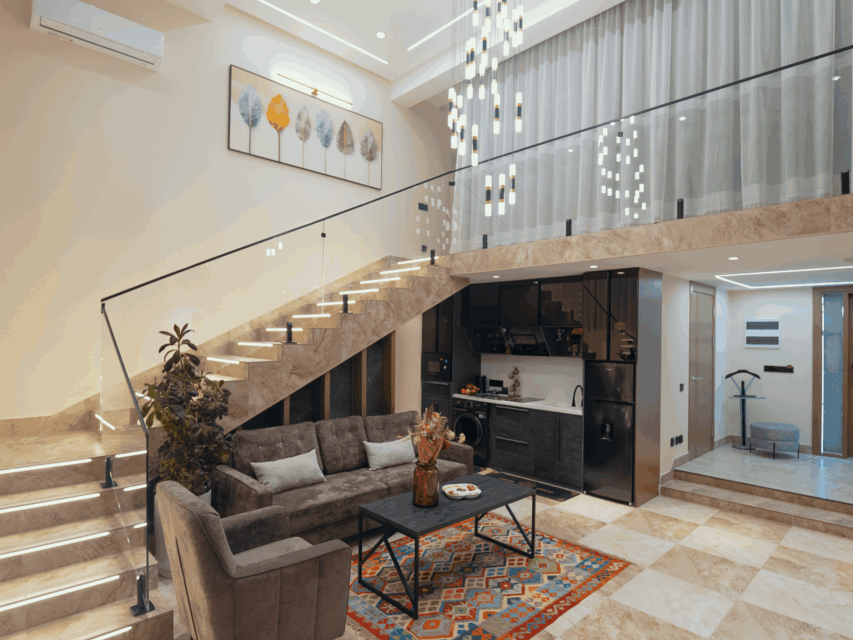
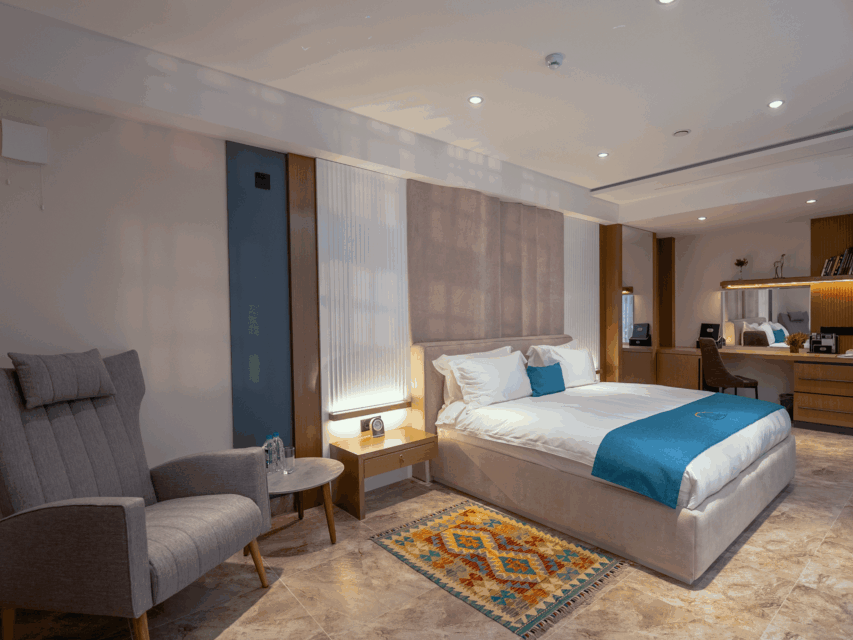
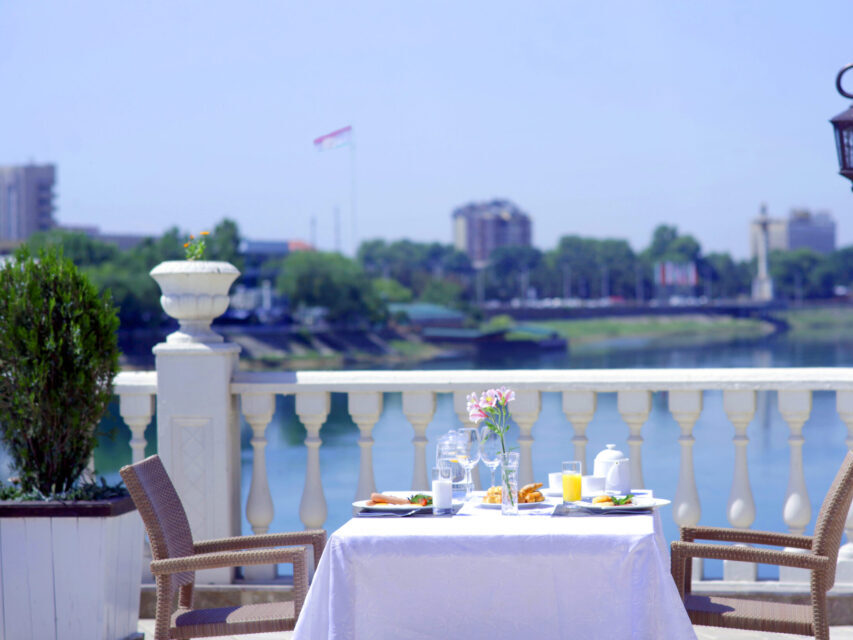
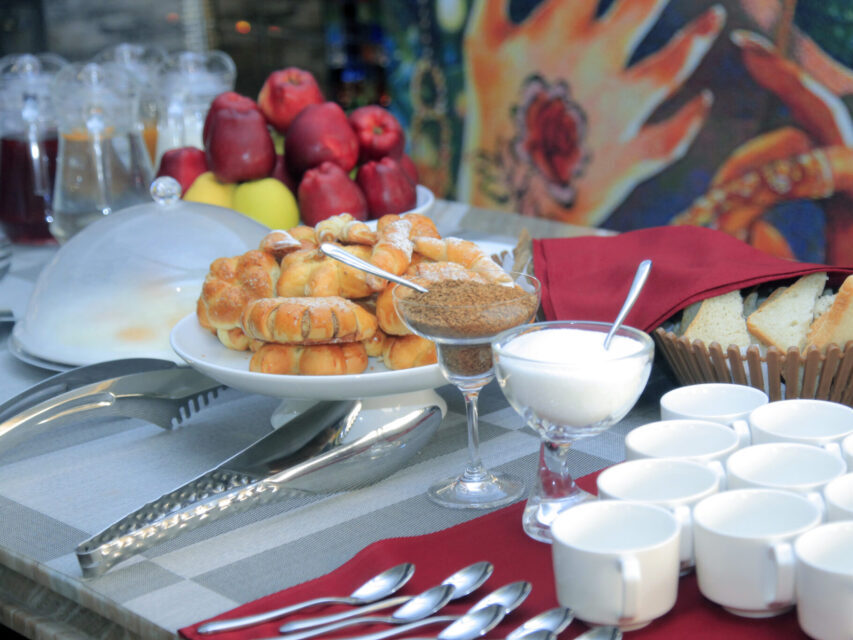
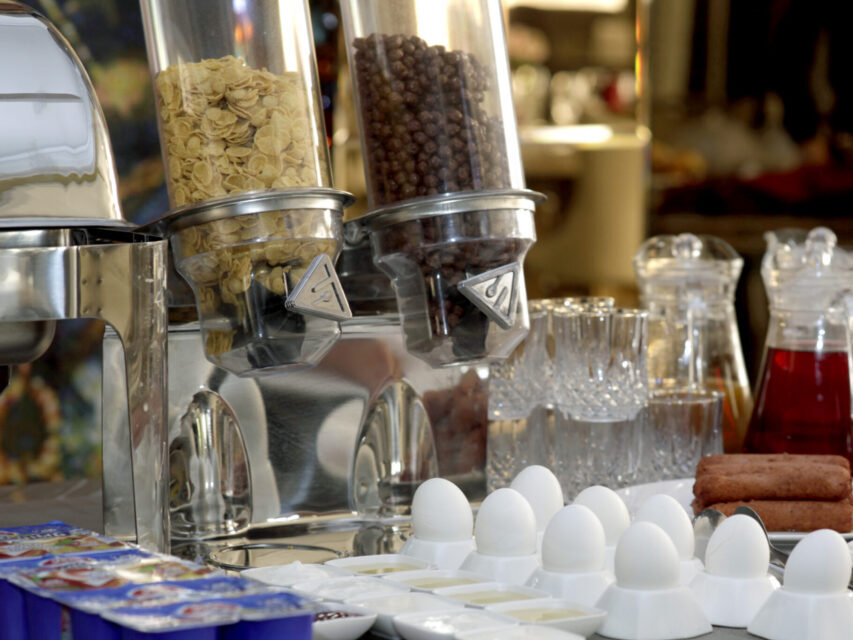
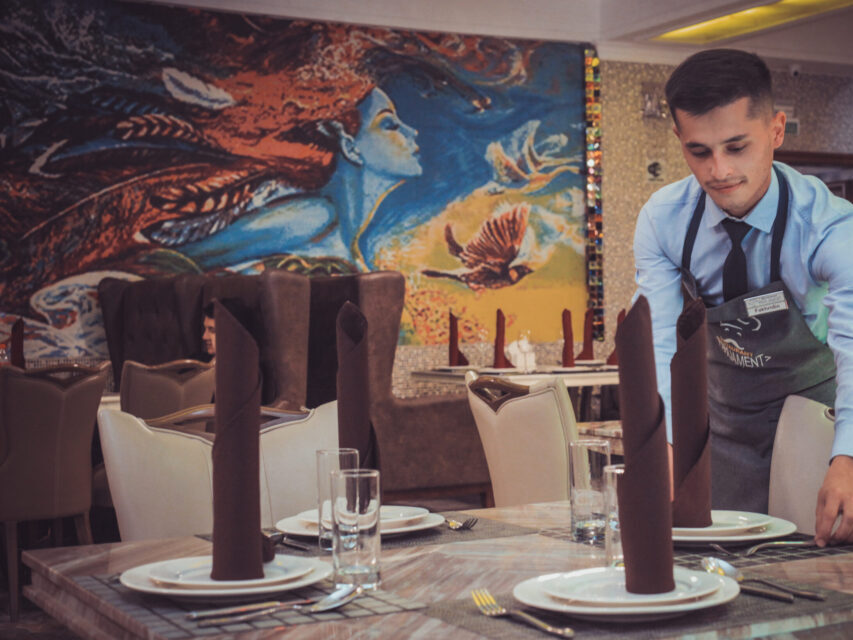
That said, Khujand also has some excellent hotels if you’d prefer not to worry about breakfast or daily logistics. The five-star Parliament Palace Hotel offers spacious double rooms and panoramic views of the Syr Darya (from $98), while the luxurious penthouse suite for two costs around $260. The four-star Khujand Grand Hotel is another comfortable option, with double rooms starting at $60 a night.
Getting There
We drove from Tashkent—the journey took around four to five hours, winding through scenic mountain passes with occasional tea stops. At the border, we had to switch cars, continuing on with a local driver we found on the spot. It was an inexpensive option, but if I were planning ahead or traveling with children, I’d probably go another route.
For a smoother experience, there are direct flights to Khujand from Moscow, Istanbul, Almaty, and Dushanbe. Prices vary by season: from Moscow, tickets range from $200 to $350 one way; from Istanbul or Almaty, from $150 to $250. One of the easiest connections is via Dushanbe—the flight to Khujand takes just under an hour.
Khujand’s airport is small but modern, with efficient service and friendly staff. Baggage arrives quickly, and it’s a good gateway to the city—especially if you’re visiting for the first time and want to start off comfortably.
Good to Know
Currency: Tajikistani somoni (TJS). Exchange money at banks or large hotels for the best rates.
SIM cards: Available at the airport or at Tcell and MegaFon outlets. A 5–10 GB data package costs around $3–$5.
Getting around: The easiest way to navigate the city is by taxi via Yandex Go or Indriver. Rides typically cost between $1 and $3. There’s also a short but scenic cable car along the riverside promenade.
What to Pack
Comfortable shoes for walking, lightweight clothes, and an extra layer for cooler evenings. Bring a hat or cap, SPF sunscreen, and a scarf for visiting religious sites.
And if things don’t go exactly to plan— don’t worry. Help is always nearby. Most locals speak Russian and Uzbek, and communication is easy. But what truly stood out was the kindness. That feeling of genuine care is what I carried home from Khujand—my most treasured souvenir.
Published in Travel + Leisure Central Asia, July 2025