
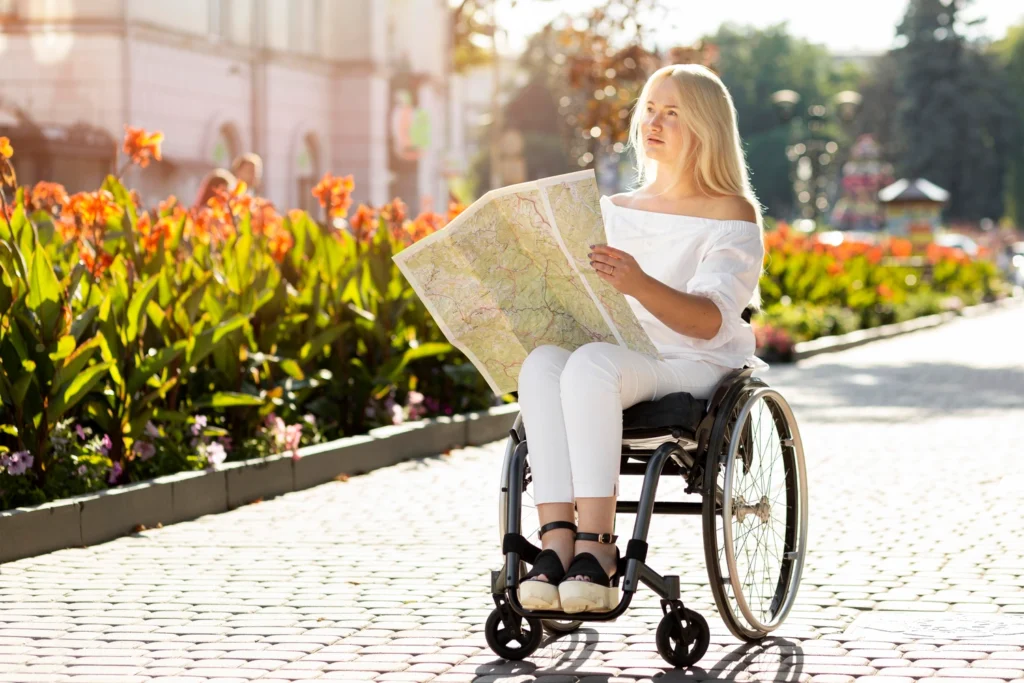
This recognition turns the capital of Kazakhstan into a tourist destination where accessibility becomes part of the urban philosophy.
Travelers with disabilities get the opportunity to take an active part in the cultural life of Astana.
A city where you can move freely
A comfortable journey begins with movement. More than 90 percent of public transport in the capital of Kazakhstan is equipped with ramps. Drivers are trained according to international standards of passenger service with reduced mobility. For tourists, this means the opportunity to independently plan routes and feel confident in an urban environment.
A culture that is free for everyone
Accessibility in Astana goes beyond infrastructure.
Seven museums in Kazakhstan, including the National Museum in the capital, have been transformed into inclusive cultural spaces. Audio guides in several languages, touchscreens, tactile elements, and Braille descriptions of exhibits are used here.
A visit to the museum turns into a dialogue with history, which does not depend on the physical capabilities of the visitor.
The Astana Opera Theater became a vivid example of a thoughtful approach. The design of the building initially took into account international accessibility standards: ramps, elevators, wide passageways and special areas in the auditorium. Here, every guest can enjoy ballet and opera without restrictions.
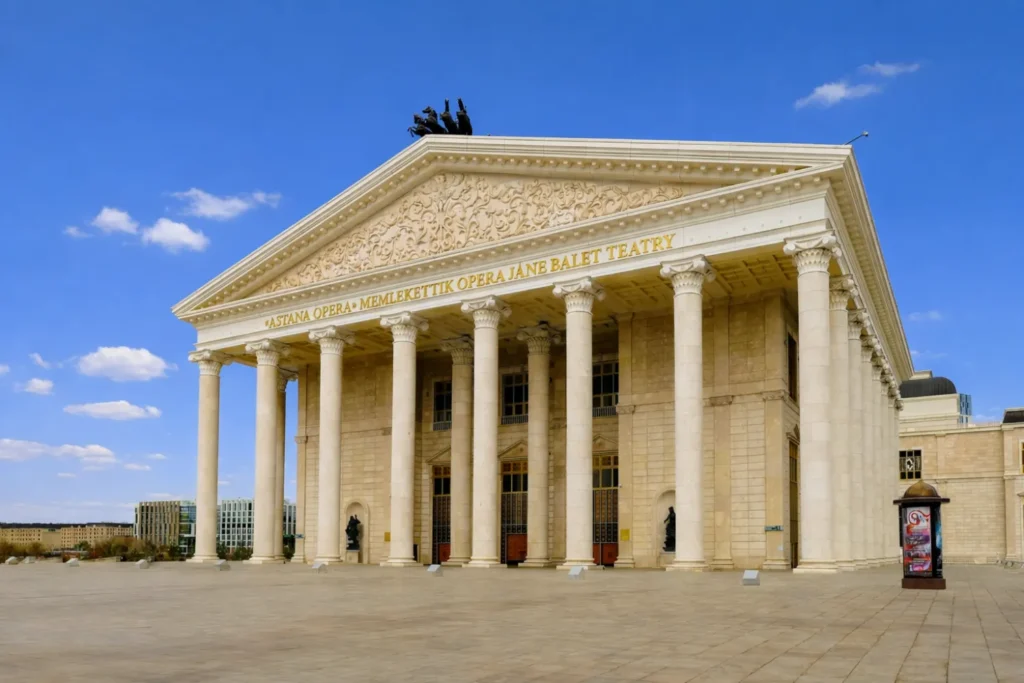
Photo: Pexels
Inclusive routes and new tourism formats
Specialized tourist routes are being developed in the capital. They cover the key spaces of Astana: from Nurzhol Boulevard and the Botanical Garden to the embankment of the Yesil River and historical districts.
The destinations are suitable for organized groups and independent travelers.
Joining ENAT opens up new opportunities. International cooperation is intensifying, at the same time, socially oriented travelers are being attracted.
Astana shows that a modern city can be a space without borders, where travel remains a pleasure for everyone.