
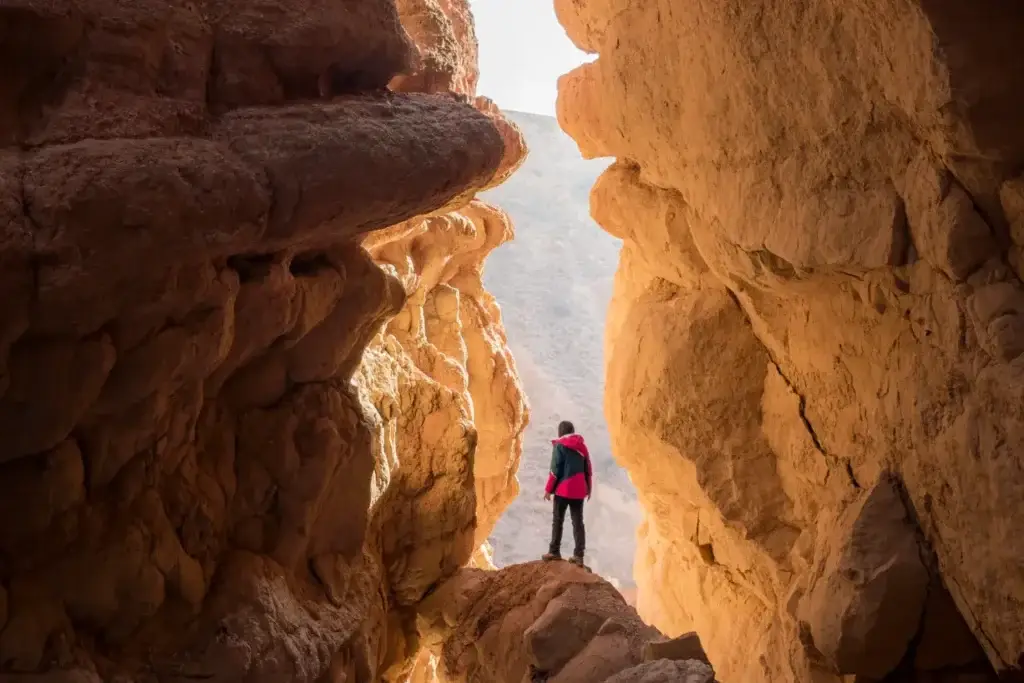
Kyrgyzstan is a land of soaring mountains, open hearts, and living nomadic heritage — a place where every journey reveals not just stunning landscapes, but the spirit of a country that welcomes you as a guest and leaves you as a friend.
– Kyrgyzstan is often described as a country that cannot be understood at first glance. In your opinion, what do we still not know about Kyrgyzstan – its spirit, people, and nature?
-The Kyrgyz Republic, with its ancient and rich history, captivating landscapes, unique culture, nomadic civilization, and strong tourism brands, possesses significant year-round tourism potential that must be revealed within the framework of sustainable development.
In this regard, President of the Kyrgyz Republic S.N. Zhaparov has given top priority to the development of this economic sector in recent years. This is reflected in the National Development Program of the Kyrgyz Republic until 2030, adopted in June 2025, according to which tourism is recognized as a priority branch of the Kyrgyz economy, with vast potential to contribute to the state budget. It is expected that by 2030 Kyrgyzstan will be widely known as one of the leading year-round, high-quality travel destinations, developed on the basis of the country’s unique cultural and natural heritage, high service standards, and the centuries-old traditions of Kyrgyz hospitality. To achieve this goal – transforming the country into an international tourism center of the region – the Department of Tourism under the Ministry of Economy and Commerce of the Kyrgyz Republic and the Tourism Development Support Fund play central roles. Kyrgyzstan is a unique location with an amazing diversity of landscapes. Within a relatively small territory, one can encounter high snowy peaks, alpine meadows, coniferous forests, crystal-clear lakes, canyons, and wide open steppe valleys. Such natural wealth makes the country ideal for a wide range of tourism activities – from skiing and trekking to ecotourism and cultural travel.
But above all, what makes the Kyrgyz Republic truly special is its people. The warm hospitality, sincerity, and openness of the Kyrgyz create an atmosphere in which every guest feels at home. Here, a journey becomes more than simply a route – it becomes a genuine encounter with the soul of the country.
– If you were describing Kyrgyzstan to someone who has never been there, where would you begin? What words would convey the atmosphere of the country?
– Describing Kyrgyzstan to those who have yet to discover it, we would say: this is a land where nature lives in pristine beauty and people live with open hearts. Here you feel genuine warmth, respect for guests, and a rare capacity to find joy in simple things.
Kyrgyzstan is a country of character. Its spirit lies in the freedom of the mountains, in its pure air, in the bright eyes of people who preserve traditions while moving forward. It is a place where modernity naturally intertwines with nomadic heritage – in music, crafts, architecture, and lifestyle.
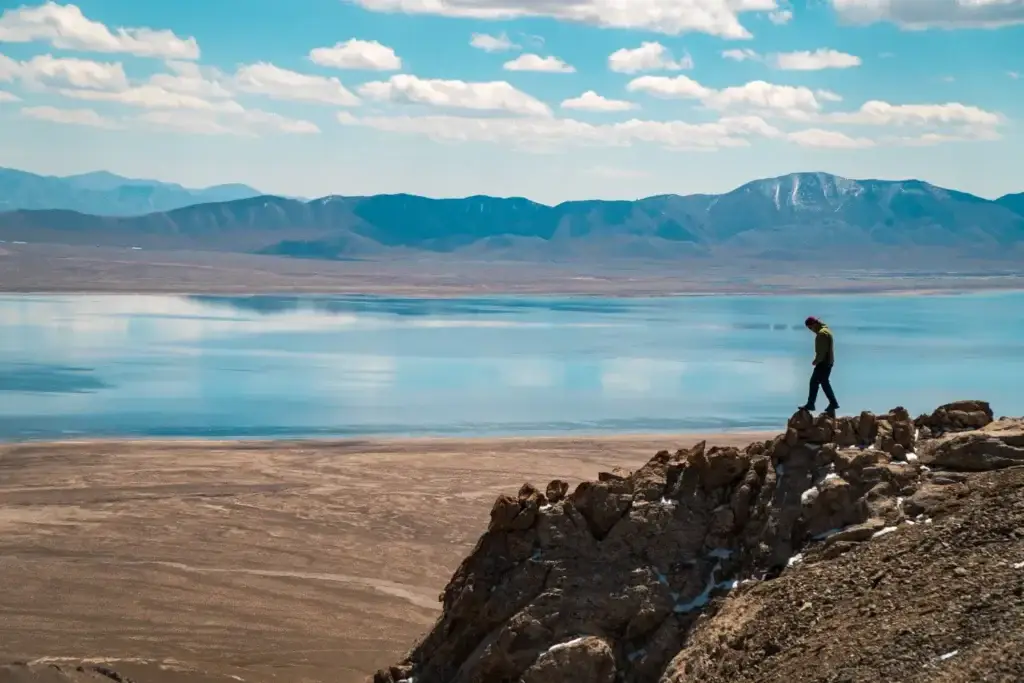
The landscapes of Kyrgyzstan are astonishingly diverse: from the snowy summits of the Tien Shan to warm plains and deep gorges, from the mirror-like surface of Issyk-Kul to the fragrant pastures of Naryn. Each region of the country carries its own story and atmosphere.
Here, a journey transforms not just into leisure, but into a true discovery – of the country, its people, and perhaps, oneself.
– Which places would you consider must-visit destinations – those capable of surprising even a seasoned traveler?
A journey should begin with Issyk-Kul Lake, rightfully called “the pearl of Kyrgyzstan.” Here one can combine lakeside relaxation with active exploration: on the southern shore – the valleys of Jety-Oguz and Barskoon with waterfalls and red rock formations; on the northern – the Semenov and Grigoriev Gorges, where picturesque panoramas open up. Along the lakeshore are hot springs known for their healing properties – an ideal spot to recharge after an active day.
To the east, in the heart of Naryn Region, lies Kel-Suu Lake – one of the most astonishing natural wonders of Kyrgyzstan. Hidden among towering cliffs at over 3,500 meters, the journey to it is already an adventure in itself. When the lake fills with water, its turquoise surface reflects the mountain peaks, creating a scene like a living legend. In the protected Sary-Chelek area, one finds a rare combination of coniferous forests, alpine meadows, and reflective lakes. And in the south awaits Osh – an ancient city with more than three thousand years of history and the sacred Sulayman-Too Mountain, listed as a UNESCO World Heritage site.
For lovers of history and architecture, the Uzgen and Burana complexes are must-see destinations – ancient monuments of the Silk Road that hold the breath of centuries.
Kyrgyzstan amazes with the fact that in a single day one can witness the change of natural zones – from steppes and canyons to glaciers and alpine valleys. But the greatest treasure is the feeling of freedom and sincerity that remains with everyone who has experienced this place at least once. Today, new tourism projects are actively developing in the country. Which ones do you consider key for 2025, and why do they reflect Kyrgyzstan’s strategy as a nation of sustainable and open tourism? For Kyrgyzstan, 2025 marks the launch of a policy of sustainable and open tourism. We are focused on projects that establish a foundation for long-term development – strengthening regional economies, improving infrastructure, and positioning the country as a center of green and safe tourism in Central Asia.
Kyrgyzstan has officially launched a five-year sustainable tourism development program aimed at creating conditions for a competitive and resilient tourism sector by 2030. It includes nine key directions that will help develop tourism, increase its attractiveness, and strengthen its sustainability.
One of the key directions is the introduction of digital solutions that make travel across the country more convenient and transparent. Work is underway to create a unified national tourism platform with up-to-date information. The goal is to build a modern ecosystem uniting public and private sector services.
Special attention is devoted to ecotourism and sustainable practices. We are implementing national sustainability standards (KGSTD), an accommodation classification system, developing eco-trails and green zones, and creating mechanisms through which tourism revenues directly support local communities. Among flagship initiatives is the “Three Peaks” project, uniting the mountain resorts of Jyrgalan, Ak-Bulak, and Boz-Uchuk, as well as cross-border routes aimed at promoting Central Asia as a unified tourism space.
All these efforts reflect Kyrgyzstan’s strategic direction: tourism as a driver of economic growth, ecological balance, and international cooperation. We are building an open, modern, and responsible industry where hospitality is supported by quality and accountability.
-Can Kyrgyzstan be considered one of the safest countries in the region? How do you ensure that every traveler – from solo visitors to families with children – feels calm and protected?
Kyrgyzstan is traditionally regarded as one of the most peaceful and safe countries in Central Asia. There are no large-scale conflicts, political stability is maintained, and the population is known for its openness and genuine hospitality toward foreign visitors.
- Tourist police operates in high-traffic areas, including Issyk-Kul Region, Bishkek, and Osh, providing rapid support and assistance to visitors;
- Monitoring of tourist routes is carried out jointly with the Ministry of Emergency Situations and local authorities, ensuring timely response to emergencies;
- Travel insurance is being promoted as a system protecting visitors from unforeseen risks and expenses associated with travel.
–What steps, in your opinion, can strengthen tourism exchange among Central Asian countries and make the region a unified destination attractive to travelers worldwide?
-Strengthening tourism exchange among Central Asian countries is one of our key priorities. The region has tremendous potential: a shared historical-cultural heritage, complementary natural resources, and the hospitality of its peoples form the basis for promoting Central Asia as a unified travel destination.
Important steps are already underway. First and foremost, the development of unified cross-border routes and their promotion under a common regional brand. Initiatives such as “CAREC Routes” and joint programs under the Organization of Turkic States, ECO, and the Shanghai Cooperation Organization enable the integration of routes across Kyrgyzstan, Kazakhstan, Uzbekistan, Tajikistan, and Turkmenistan into a single travel product – from mountain adventures to Silk Road cultural expeditions.
The second direction is visas and transport. The creation of a unified visa space and improved air and land connectivity among the countries will make the region more accessible to foreign travelers.
The third is unified quality standards and digital solutions. Regional certification mechanisms and shared digital platforms for tourism information, booking, and analytics will significantly improve service levels.
Finally, joint promotion of the region on international markets remains essential. When countries speak with a single voice at exhibitions, forums, and in the media, interest in Central Asia grows. The world should see the region not as separate states, but as a unified destination with rich culture, ancient routes, and modern infrastructure.
The “Three Peaks” mountain cluster – Jyrgalan, Ak-Bulak, and Boz-Uchuk – is already called the heart of winter tourism in Kyrgyzstan. What makes each of these resorts unique, and what results do you expect from the project in the coming years?
The “Ala-Too Resort” mountain cluster – Jyrgalan, Ak-Bulak, and Boz-Uchuk – is truly becoming the heart of winter tourism in Kyrgyzstan, forming a new magnet not only for domestic but also for foreign visitors. This project represents the state’s strategic approach to sustainable and year-round tourism, involving natural potential, local communities, and international standards.
Each of the three locations has its own identity and development concept:
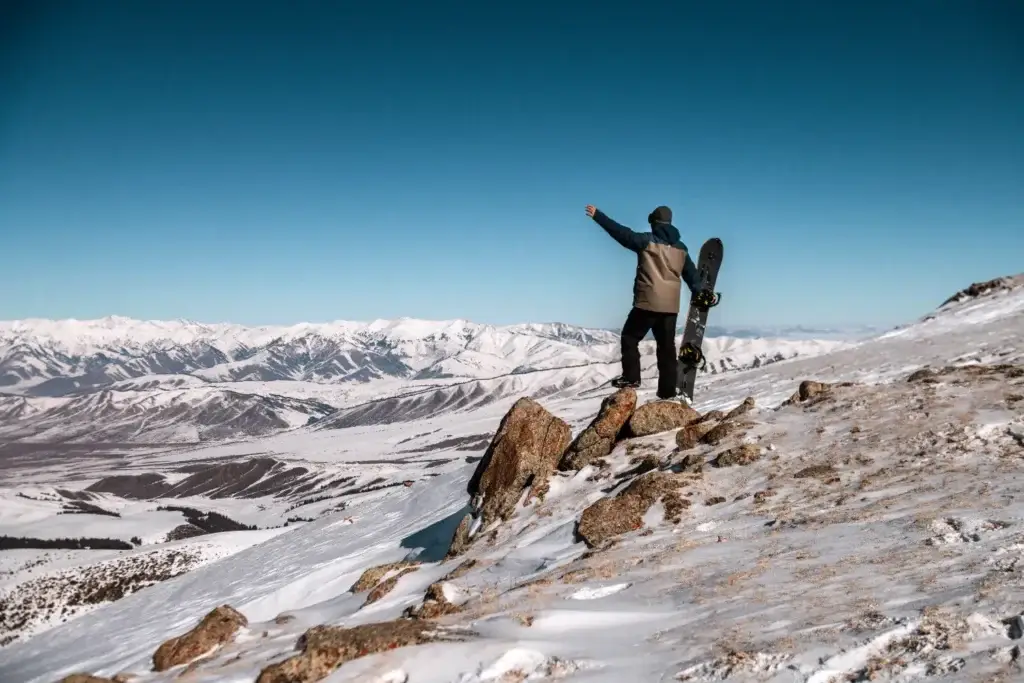
- Jyrgalan has already established itself as a center of freeride tourism and mountain adventures. With its scenic valleys, snowy slopes, and infrastructure created with international partners, it attracts professional riders, skiers, and backcountry enthusiasts from around the world.
- Ak-Bulak focuses on ecotourism and ethnocultural experiences, where skiing is complemented by traditional living in yurts and national cuisine. The emphasis here is on green tourism and involving local residents in the tourism economy.
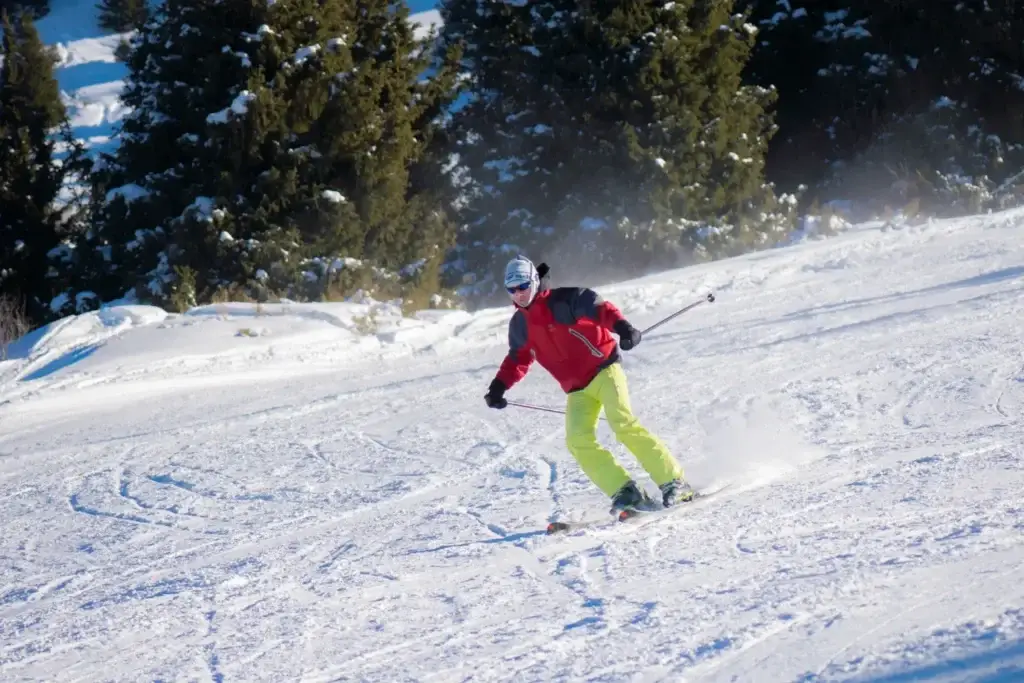
- Boz-Uchuk is being developed as a site for family and sports tourism. Plans include ski trails, active recreation facilities, and year-round programs, extending seasonality and increasing regional capacity in warmer months.
In the coming years, the “Ala-Too Resort” cluster is expected to provide up to 15% growth in winter tourist flow, create new jobs in mountain areas, and serve as an example of integrating tourism, investment, and sustainable development.
The project demonstrates that Kyrgyzstan can not only preserve its natural uniqueness but also transform it into a driver of economic growth and into an international image of the country as one of Asia’s most promising destinations for winter and mountain tourism.
–In the first quarter of this year, tourism brought 10.5 billion soms to the country’s economy. Which tourism segments – domestic, inbound, or ecological – are growing most rapidly and forming the basis of this growth?
-Indeed, based on results of the first quarter, tourism contributed 10.5 billion soms to Kyrgyzstan’s economy, and this reflects sustainable growth across all segments. Today, three key areas form the foundation of tourism development – domestic, inbound, and ecological tourism – each advancing in its own way while contributing to the country’s overall strategy.
Domestic tourism shows the greatest growth. More and more Kyrgyz citizens are rediscovering their country – traveling through regions, visiting mountain destinations, lakes, and national parks. Improved transport, infrastructure, and digital services make such trips comfortable and accessible.
Inbound tourism is actively expanding due to liberal visa policies, improved international air connections, and partnerships with foreign markets. The country sees increasing numbers of visitors from neighboring nations – Kazakhstan, Uzbekistan, China – as well as from Europe, the Middle East, and beyond. Kyrgyzstan is becoming a destination for those seeking authenticity, nature, and safety.
Particular attention is being paid to ecological and sustainable tourism, which is a strategic direction. We are implementing national sustainability standards, developing eco-routes, and creating conditions in which tourism benefits local communities and preserves natural resources.
Thus, tourism growth in Kyrgyzstan is not merely an increase in numbers, but a qualitative transformation of the sector. Our goal is for each region to develop, and for every journey through the country to generate not only economic but also cultural and environmental benefit.
– Kyrgyzstan has entered the list of best destinations for sustainable tourism. How do you maintain the balance between increasing tourist flows and careful preservation of nature and cultural heritage in mountain regions?
– For Kyrgyzstan, sustainable tourism development is not just a trend – it is strategic policy. We fully understand that increasing visitor numbers must be harmonized with safeguarding nature, culture, and local traditions, especially in mountain environments with sensitive ecosystems.
First, the country is implementing national sustainability standards (KGSTD), aligned with ESG principles. These criteria help tour operators and accommodations operate responsibly – with attention to energy efficiency, waste management, biodiversity preservation, and support for local producers.
Second, we are developing “green routes” and eco-trails, where revenues are partially directed to land conservation and community support. This model incentivizes regions to care for their natural environment.
Third, environmental education and local community involvement are advancing. We aim for tourism to bring real benefits to local populations – through job creation, improved quality of life, and fostering responsible attitudes toward natural heritage.
Finally, special attention is given to reducing mass pressure on popular locations – by developing new tourist zones and clusters to distribute visitor flows across regions and maintain environmental balance.
Thanks to these efforts, Kyrgyzstan preserves its greatest assets – authenticity and natural purity – remaining a country where one can not only travel, but also feel a true connection with living nature and culture.
-The Silk Road Mountain Race 2025 once again draws international attention to Kyrgyzstan. What other sporting or cultural events can become symbols of the country?
-Event tourism is becoming a key element in positioning Kyrgyzstan as a dynamic and welcoming destination.
First and foremost, the World Nomad Games are a unique event with no equivalent worldwide. The Games unite traditional sports, culture, and the philosophy of nomadic life, showcasing the rich heritage of Central Asia. They have already become a global brand of Kyrgyzstan and a symbol of honoring tradition in a modern format.
The Silk Road Mountain Race has indeed played a major role in shaping the country’s image as a place for outdoor adventure and endurance sports. Yet Kyrgyzstan offers much more.
Another notable event is the international “Meykin Asia” festival, bringing together artists, craftsmen, designers, and musicians from across the region. It reflects today’s face of Kyrgyzstan – youthful, creative, and open to the world.
National festivals and equestrian competitions also deserve attention, including the “Gallops 2025” racing events that are shaping their own international presence. These occasions are not merely performances, but living demonstrations of the spirit of the country – strength, freedom, and harmony with nature.
In the sports sphere, marathons and cycling competitions are rapidly developing, taking place in picturesque locations – from Issyk-Kul to Chon-Kemin. They encourage healthy lifestyles and reveal Kyrgyzstan as a country with ideal conditions for outdoor tourism.
Thus, event-based tourism becomes a powerful tool for Kyrgyzstan’s promotion: it unites sport, culture, and national identity, forming a unique image of a country where tradition inspires modernity.
-Kyrgyzstan is known for its open visa policy. Can you describe the current opportunities foreign travelers have for easy entry and movement throughout the country?
-Today, citizens of more than 70 countries can enter Kyrgyzstan visa-free for 60 or 90 days, including all EU countries, the United Kingdom, Gulf states, Turkey, South Korea, Japan, and others.
Furthermore, for citizens of countries not on the visa-free list, an electronic visa system – eVisa – is available, allowing applications to be submitted online without visiting a consulate. This service has greatly simplified the visa process and enhanced Kyrgyzstan’s attractiveness for tourists and investors.
-How do you envision Kyrgyzstan’s development as a year-round destination – not only for winter recreation, but also for travel in summer and autumn? Which regions or formats do you consider promising beyond the ski season?
-Kyrgyzstan is confidently shaping itself as a year-round destination, where every season carries its own rhythm, atmosphere, and type of adventure. If winter draws lovers of skiing and freeriding, summer and autumn reveal the country in an entirely different light – as a land of exploration, inspiration, and discovery.
There is strong potential for hiking and horseback tourism, mountaineering, and trekking – thanks to numerous routes across Naryn, Issyk-Kul, Osh, and Jalal-Abad regions. Each of these offers its own character: from gentle valleys to high mountain passes and glaciers.
Gastronomic tourism is also growing rapidly – trips across regions with tasting of traditional foods, acquaintance with local products, crafts, and farming traditions.
Interest in photo and astro-tourism is rising: the night sky of Kyrgyzstan, especially in Naryn and Batken regions, is considered one of the clearest in Asia for stargazing. More travelers arrive seeking rare shots of mountain scenery, lakes, and pastures.
Ecotourism and scientific tourism are also gaining strength – from biodiversity research and natural parks to volunteer programs and expeditions. These formats allow meaningful interaction with nature with minimal impact.
And of course, beach tourism on Issyk-Kul remains one of the most popular formats outside the ski season. The warm lake, facilities, and cultural life make it attractive for visitors from all over the world.
Kyrgyzstan strives to evoke curiosity in visitors at any time of year. Here, one can not only ski in winter, but also discover the world of nomadic culture, nature, and hospitality in summer and autumn – when each valley and each region lives its own life.
-What place in Kyrgyzstan is your personal source of strength and inspiration – the one you return to when you wish to feel the breath of the mountains and inner harmony?
For me, the greatest inspiration has always come from Kyrgyzstan’s mountain lakes. They hold the very soul of our country – pure, deep, and sincere. When you stand by the water surrounded by peaks, it feels as if time stands still. The air becomes clearer, thoughts more open, and the heart fills with peace and gratitude.
A special place for me is Son-Kul Lake – vast and exposed to the sky, where one feels part of a great universe. There is a silence there in which you can hear your own breathing and the breathing of the earth. And when you look at the sunrise over Kel-Suu – where turquoise waters reflect sheer cliffs – you realize how small humans are before the grandeur of nature, and in that humility, inner harmony is born.
Every lake in Kyrgyzstan has its own character. Sary-Chelek is gentle and alive, with morning mists and the aroma of coniferous forests; Issyk-Kul is majestic and warm, like the heart of the country. They are different, yet they share one quality – a power that purifies, inspires, and reminds us of what truly matters: that nature and humanity are one.
When I return to these places, I feel not just peace. I feel pride for our land, for the people who live alongside this beauty and know how to protect it. It is precisely in these places that the motivation is born to develop tourism not for numbers, but for preserving this living wonder for future generations.
-And finally – what would you like every guest to take with them from Kyrgyzstan? What feeling, memory, or revelation should become the essence of their journey?
-We would like every guest, leaving Kyrgyzstan, to carry with them not only memories of the majesty of the mountains and the beauty of the lakes, but above all – of the people. Because it is the people who create the true image of the country – open-hearted, kind, and sincere.
Kyrgyzstan is a place where nature and people form a single unity, where everything is built on respect, warmth, and a living bond with the land. There is a special energy here – in the morning silence of the mountains, in the aroma of fresh bread by the yurt, in the clear air over the valleys, in the smile of the host who greets you like an old friend.
Let the memory retain the taste of kumis on the shore of Son-Kul, the sound of the komuz by the fire, and the unique sense of sincerity and warmth that stays with all who have touched the soul of this country. It is this feeling – when nature, people, and emotion become one whole – that is the true essence of Kyrgyzstan.